FDA Updates General Food Labeling Requirements Compliance Program
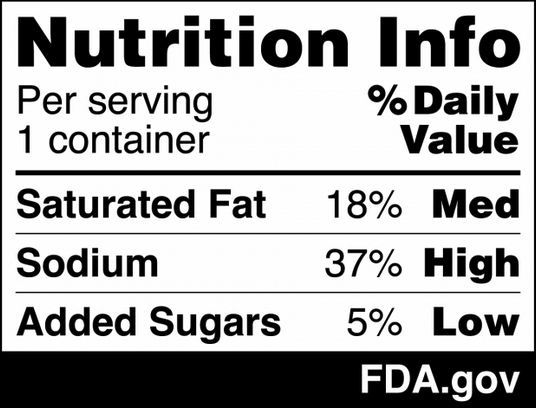

The U.S. Food and Drug Administration has updated Compliance Program 7321.005, now titled General Food Labeling Requirements and Labeling-Related Sample Analysis – Domestic and Import. This update replaces the previous 2010 version of the program and reflects current labeling regulations, operational guidance, and enforcement priorities.
FDA’s Compliance Program (CP) outlines the guidelines and procedures for FDA inspectors when conducting inspections of food facilities, both within the United States and in foreign countries. The purpose of the CP is to help ensure that food facilities comply with FDA regulations, and to protect public health by identifying and addressing food safety issues.
These updates support FDA’s ongoing efforts to help ensure that food labeling is truthful, not misleading, and compliant with federal regulations. The updated program will enhance oversight of domestic and imported foods, guide enforcement activities, and improve data consistency across FDA operations.
Key changes to the program include the incorporation of sesame as the ninth major food allergen in accordance with the Food Allergy Safety, Treatment, Education, and Research (FASTER) Act of 2021, and includes guidance on gluten-free labeling requirements. The program also aligns with the 2016 updates to the Nutrition Facts label, including formatting and nutrient declaration changes.
Related Articles
-

How ELM makes food labeling more efficient and accurate.
-

The weight on the food industry is becoming heavier as more states move toward a GMO labeling requirement.
-

At the Food Safety Consortium in October, Steven Gendel, principal of Gendel Food Safety and former FDA Food Allergen Coordinator, offered guidance on when and how allergen advisory—also known as precautionary—labels should be used by food companies.
-

Labeling statements that meet federal and state regulations are failing to meet consumer expectations, and consumers are seeking and sometimes obtaining redress in the courts. Following we highlight key cases and what food companies need to consider to avoid running…
-

Consumers want to know what’s in their food, from artificial sweeteners and high-fructose corn syrup to dyes and pesticides. The latest hot-button issue surrounds foods made from genetically modified organisms (GMO) and the demand for companies to indicate on labeling…
-

Some of the most fraudulent labels include organic, free range, wild caught and halal.


