
The problem was discovered after the firm received two customer complaints regarding clear, hard plastic found in the sausage product.

There are two big mistakes manufacturers are making with FSMA 204. The first is assuming that because you’re FSMA-compliant, you’ll be compliant with Section 204. The second is thinking about the rule as an internal issue that can be solved with better recordkeeping. When the FDA shows up with that traceability request, you’ll be expected to provide an electronic sortable spreadsheet with key details within 24 hours. In order for you to obtain that information quickly – and in the correct format – your suppliers and vendors will also need to be in compliance with the rules.
While it feels like we had more food recalls than usual this summer, the number of recalls is actually on par with recent years. However, the recalls are getting bigger and more complex. Fewer, larger suppliers are serving more points of sale, which is why a single contamination event can have such a massive impact.
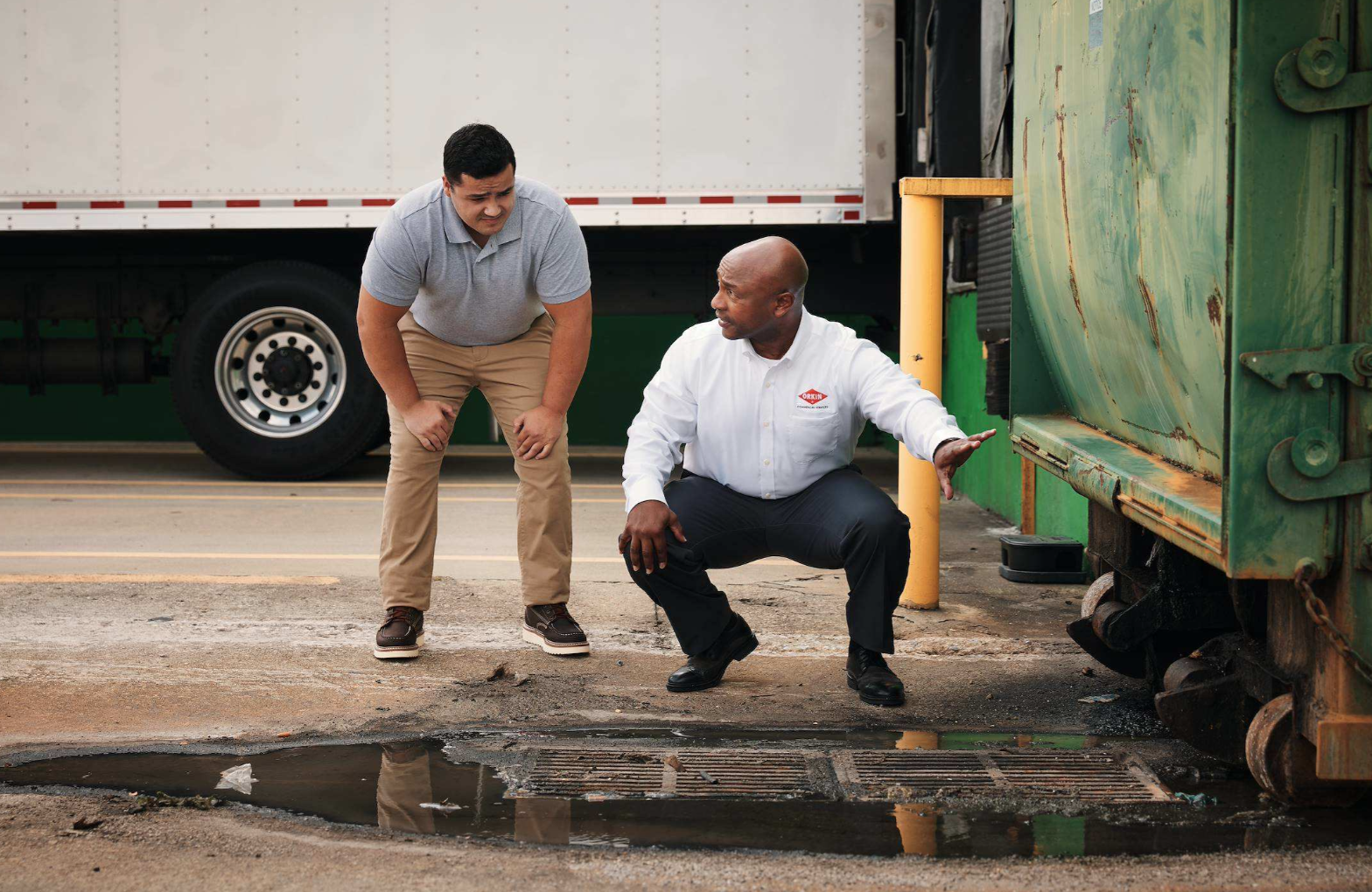
Severe weather can increase stored product pest risks in food and beverage processing facilities by damaging building protections, disrupting routine sanitation, inspection and monitoring practices as well as causing an increase in stored product pest activity. While severe weather does not create stored product pest risks by itself, storm-related damage and operational disruptions can make existing pest activity harder to detect and manage and create conditions that are conducive to pest activity and survival
Here we propose a dual scoreboard, comprised of leading and lagging statistics taken from actual operations and the system’s output — as expressed through recall and outbreak incidents. The work is the first application of the concepts on top of a tier approach to supplier risk employed throughout a multi-supplier grocery distribution system and presented as a launch pad for further industry and regulatory comment.
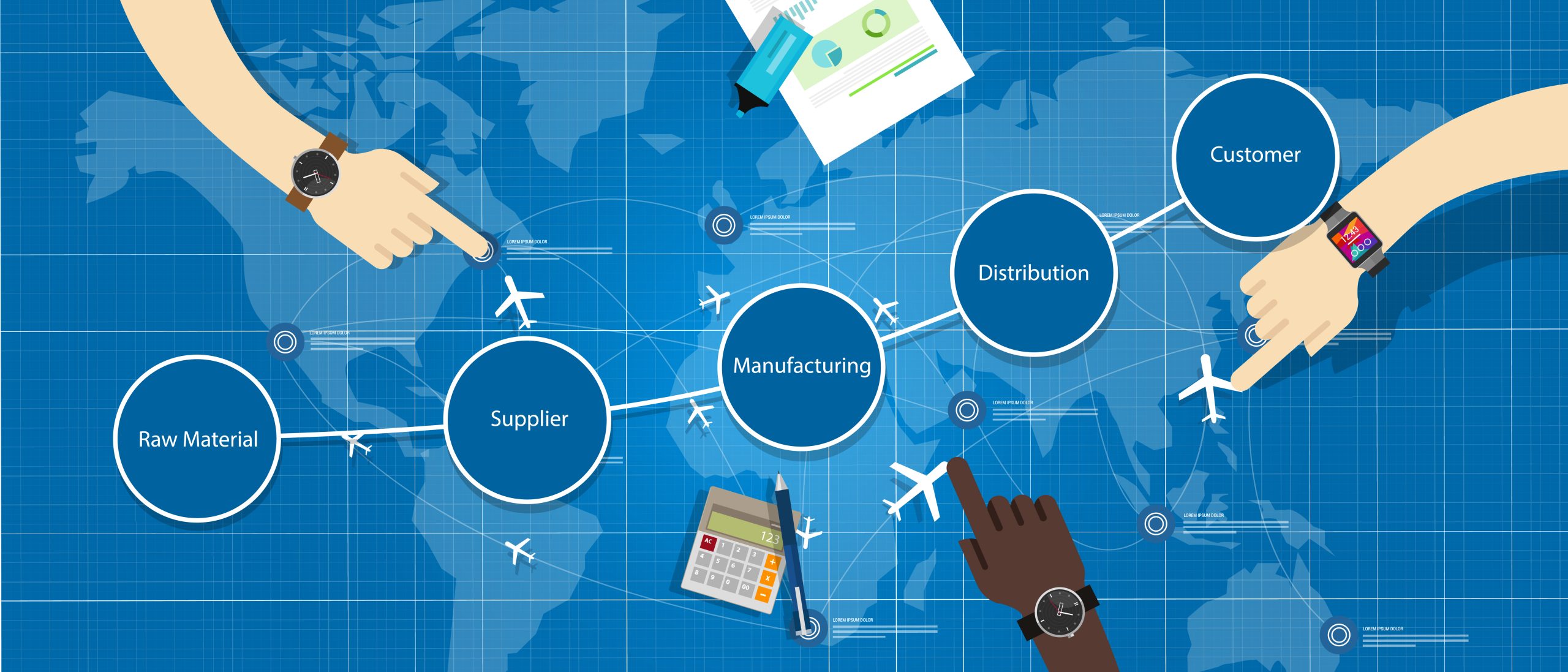
With so much confusion over the FDA’s FSMA food traceability requirements, companies need to begin considering standardization. This is especially true for companies with long supplier lines.

This series examines food safety as business infrastructure: the business decisions, governance structures, and operational conditions that determine whether technical food safety systems can hold under production pressure. The first three articles followed the record inward—from the corrective-action log, through the cost of repetition, to what growth asks a system to carry. This article follows that same operational reality outward.

By bringing together complementary strengths, Mérieux NutriSciences will provide customers with broader service offerings and enhanced regulatory support.

Fungal contamination threatens global cereal production with severe health and economic consequences. Accurate testing at grain receiving lines serves as the critical first defense against mycotoxin infiltration.
Food safety audit failures repeat year after year because they’re behavior problems, not protocol problems. The compliance gaps auditors document result from daily habits that erode under production pressure and unsupervised moments. Facilities that break the cycle invest in training that builds compliant behaviors through regular on-the-job practice, not periodic knowledge events.