The FDA Releases 2026 Food Code


On September 17, 2026, FDA issued the 2026 edition of the FDA Food Code, which is a model of uniform provisions to assist local, state, tribal, and territorial regulators in safeguarding public health and ensuring food is unadulterated and safe when offered to the consumer at retail and in food service. The Food Code is updated on a biennial cycle to reflect advances in food safety science, regulatory practice, and emerging industry trends.
The 2026 FDA Food Code reflects updates intended to improve public health, regulatory clarity, and implementation, including an exception to allow for double gloving under specific circumstances; a new requirement for written employee illness policies that are maintained and available; and the establishment of an alternative cooling process for foods at retail.
The latest Food Code also addresses a range of food safety topics including sanitizer temperatures, consumer advisories, revised food establishment definition, new mobile food establishment definition, allergen cross-contact clarification, food donations, specialty mushroom hazards, dehydration and freeze-drying guidance, waste receptacle requirements, vending machine controls, and updates to the food establishment inspection report form. A full summary of changes can be found on FDA’s website.
Differences in the 2026 Code from the 2022 edition:
- Allergen Rules: The new code tightens allergen safety and enforcement, requiring clearer communication and training to protect customers with food allergies.
- Active Managerial Control: It pushes food leaders to take a more active role in preventing food safety mistakes before they happen.
- More Documentation: Establishments face heavier tracking and logging requirements to prove daily safety compliance.
- Chemical Safety: The update addresses modern chemical concerns, including reviews of food additives, synthetic dyes, and generally recognized as safe (GRAS) ingredients.
- Retail Standards: The FDA is releasing a companion manual to help local health departments enforce these rules consistently.
As noted previously, the Food Code represents the FDA’s best advice for a uniform system of provisions that address the safety of food offered at retail and in food service. While it is a model code that is not required, it has been widely adopted by state, local, tribal and territorial agencies that regulate more than one million restaurants, retail food stores, vending operations and food service operations in schools, hospitals, nursing homes, and childcare centers.
The 2026 edition reflects the input of regulatory officials, industry, academia, and consumers that participated in the biennial meeting of the Conference for Food Protection (CFP). CFP and the U.S. Department of Agriculture’s Food Safety and Inspection Service, the Centers for Disease Control and Prevention and the Environmental Protection Agency help ensure the Food Code establishes sound model requirements that help prevent foodborne illness and injury and aim to eliminate food safety hazards in retail and foodservice facilities.
Related Articles
-

The future of traceability in foodservice won't be defined by replacing existing systems. It will be defined by connecting them, allowing information to move securely between suppliers, operators, delivery partners, and customers while each continues using the technology that best…
-
While it feels like we had more food recalls than usual this summer, the number of recalls is actually on par with recent years. However, the recalls are getting bigger and more complex. Fewer, larger suppliers are serving more points…
-

Severe weather can increase stored product pest risks in food and beverage processing facilities by damaging building protections, disrupting routine sanitation, inspection and monitoring practices as well as causing an increase in stored product pest activity. While severe weather does…
-
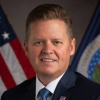
Dr. Justin Ransom, administrator of the U.S. Department of Agriculture’s (USDA) Food Safety and Inspection Service (FSIS) will present at this year's Food Safety Consortium Conference October 21-23 in Washington DC along side, Dr. Donald A. Prater, Acting Deputy Commissioner…
