FDA Announces First Use of Import Certification Authority for Certain Shrimp and Spices Potentially Contaminated with Cesium-137
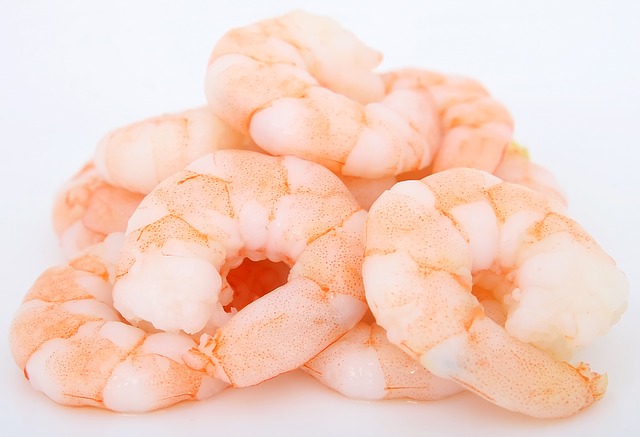

The FDA announced today that, effective October 31, 2025, the agency will require import certification for shrimp and spices from certain regions of Indonesia, based on the risk of potential contamination of the food with Cesium-137. This represents the first use of this Congressional authorized tool to address ongoing food safety problems while keeping trade flowing for products which meet the certification requirements. In addition to issuing Import Alert #99-52 which outlines FDA’s risk-based determination and notice of the implementation of the new requirements, the FDA published a new webpage explaining its import certification authorities.
Congress gave the FDA import certification authority under section 801(q) of the Federal Food, Drug, and Cosmetic Act through the Food Safety Modernization Act. This tool allows the FDA to require certification or other assurance that imported food meets U.S. requirements before the food can leave the port of export for shipment to the U.S. The FDA may use this authority to address ongoing and repeated food safety problems through additional oversight before shipment. This approach works alongside current tools to cover larger volumes of trade while maintaining safety oversight. Import certification supports foreign firms’ abilities to bring compliant products to U.S. markets while keeping potentially contaminated products out of the U.S.
The FDA is taking this action to require import certification after U.S. Customs and Border Protection detected high levels of Cesium-137 in multiple shipments of shrimp and in a sample of cloves from certain regions of Indonesia and the FDA’s laboratory confirmed contamination in food samples, in addition to other evidence and information reviewed by the FDA.
Related Articles
-
The food industry is at a turning point. It is time to move past fragmented assessments and toward a harmonized risk model that combines science, data, governance, and human behavior. By doing this, we can strengthen resilience, protect public health,…
-

No company is going to say publicly they would not make a choice to chase. It’s unethical, and bad business practice. However, it’s their actions which are telling. How they chase is what matters.
-

Whether the end consumer is a child snacking on peanut butter crackers or a dog chewing jerky treats, the hazards—and many of the prevention strategies—overlap far more than most realize. Understanding these connections can strengthen food safety across sectors, protecting…
-
From food safety and quality to food defense, integrity, and physical and digital security, the system continues to operate in silos. More than ever, there is the need for a unified, risk-based U.S. food protection system.
-

Events like the Food Safety Consortium are more than a conference, they are platforms for building a stronger network of professionals and advancing food safety culture across our industry. You’ll have the chance to connect with regulators, suppliers, QA leaders,…
-
Due to the absence of either a fiscal year 2026 appropriation or a Continuing Resolution, only certain government activities will continue. While FDA will continue to conduct foodborne outbreak surveillance and response activities, the CORE Investigation Table will not be…
