How Severe Weather Can Affect Stored Product Pest Control in Food Processing Facilities


Severe weather can increase stored product pest risks in food and beverage processing facilities by damaging building protections, disrupting routine sanitation, inspection and monitoring practices as well as causing an increase in stored product pest activity. While severe weather does not create stored product pest risks by itself, storm-related damage and operational disruptions can make existing pest activity harder to detect and manage and create conditions that are conducive to pest activity and survival.
Maintaining the processes we can control is essential. By reviewing the facility’s integrated pest management (IPM) program before storm season and verifying that protections remain in place afterward, processors can help protect ingredients, maintain audit readiness and prevent stored product pest activity from complicating recovery.¹ ² ³
Key Takeaways for Food and Beverage Processing Facilities
- Stored product pests can threaten dry goods, ingredients and packaged products throughout the year.³ ⁴
- Severe weather can disrupt stored product pest habitats and facility protections, while operational disruption can create gaps in routine pest prevention.¹
- Pest management should be incorporated into a facility’s Pest Prevention Pre-Requisite as part of its FSMA Food Safety Plan.²
- Pre-storm planning and post-storm inspections can help facilities identify changes before stored product pest activity becomes harder to manage.¹ ³
How Does Severe Weather Increase Pest Risk in Food Processing Facilities?
Severe weather can increase stored product pest risks in food processing facilities by damaging structural protections, disrupting sanitation and monitoring routines, and changing outdoor conditions for stored product pests. For food and beverage processors in regions that face severe weather during the fall, pest prevention should remain part of preparation and recovery planning. Extreme weather can damage building materials and affect windows, roofs, machinery, cold-storage areas or HVAC systems. When outdoor stored product pest habitats are disturbed, these pests may also move toward commercial structures for shelter.¹
Stored product pests are a year-round risk within the supply chain, with higher pressures during warmer months and severe weather events. They may already be present in ingredients, packaging, incoming shipments or overlooked areas of a facility. When severe weather disrupts normal operations, existing stored product pest activity may be more likely to go unnoticed. Long periods of rainfall followed by extreme heat or cold can also lead to an abundance of stored product pests.¹ ⁴ ⁵
During recovery, attention naturally shifts to property repairs and revised shipping or receiving logistics. If routine sanitation, inspections or monitoring are delayed, a small stored product pest issue may remain unnoticed longer than it otherwise would, allowing stored product pest infestations to grow within the facility.
Why Should Pest Control Be Part of a Pest Prevention Pre-Requisite?
In food and beverage processing facilities, a Pest Prevention Pre-Requisite is the structured pest management program used to help prevent, monitor, document and respond to pest activity as part of the facility’s FSMA Food Safety Plan. This approach treats pest control as an ongoing food safety program integral to facility operations.²
An evidence-based IPM program within a facility’s Pest Prevention Pre-Requisite defines how the facility prevents pest activity through cGMPs, monitoring, documentation and pest management. It connects the work of the pest management provider with facility practices such as sanitation, building maintenance, ingredient storage and employee reporting. Monitoring data, action thresholds and escalation plans can then guide the response when activity is detected through preventive control measures outlined in the plan.² ³ Orkin’s Food Safety Precision Protection™ program integrates pest prevention, monitoring, documentation and corrective action into a customized IPM approach designed to support food safety and audit readiness. As a national provider with local expertise, highly trained Orkin Pros can support multiple facilities after severe weather hits with consistent, reliable service.
The prerequisite also provides continuity when severe weather changes normal operations. Before storm season, facility teams can review known vulnerabilities, confirm monitoring procedures and determine how pest prevention practices will continue if storage or receiving processes change. After an event, the program provides a framework for recording damage, evaluating new conditions and verifying that existing protections are still effective.
What Are Stored Product Pests?
Stored product pests are insects that infest or feed on food-grade ingredients, commodities and goods as well as packaged food products in food processing plants and storage environments. Common examples include Indian meal moths, flour beetles, grain beetles and rice or granary weevils. These pests can enter packaging, contaminate or damage inventory and create compliance or operational concerns for food processing facilities.³ ⁴ Stored product pests cause significant adulteration and financial losses by contaminating food, causing products to be unfit for the supply chain.
The ingredients handled within a facility influence the types of pests it may encounter. Grain, cereal and flour products can be vulnerable to dry process stored product pests, such as several beetles and weevils. Nuts, dried fruit, spices and confections commonly attract warehouse beetles, cigarette beetles, drugstore beetles or Indian meal moths. Stored product beetles and moths may also infest green coffee, cocoa, chocolate and candy products.⁴
Signs of activity can appear in the food itself or in nearby storage and processing areas. Small, round exit holes in grain may indicate weevils or burrowing larvae of beetles and moths. Flour beetle activity can contribute to discoloration or an unpleasant odor. Indian meal moths may leave webbing in food products, while mature larvae may move onto walls or ceilings to pupate into the next generation of adult moths.⁴
The location where an insect is observed may not reveal where the problem began. Stored product pests can remain hidden in damaged packaging, older inventory or accumulations of grain dust. Product residue around conveyor rollers and transfer points can provide additional food and shelter. Spillage is a constant struggle to manage through sanitation, but spills are a critical source of resources for stored product pests. Stored product pests can also enter a facility through raw ingredient shipments or travel to other locations through the supply chain.⁴ ⁵
How to Help Prevent Stored Product Pests Before and After Severe Weather
1. Inspect and Restore Physical Pest Protections
Inspect the building before storm season, paying attention to windows, screens, roofs, gutters, exterior materials, HVAC areas and utility penetrations. Areas that may not usually raise concerns can become weak spots that give pests an opening along the building exterior. Work with your pest control provider and facility maintenance team to inspect all areas and address any existing damage to the facility’s exclusion measures, such as door sweeps and dock levelers. ¹ ⁵
After severe weather events, partner with facilities engineers to conduct a thorough inspection of the building’s integrity, looking for any signs of damage like standing water, air movement and light penetration in areas where it should not occur. These should be addressed immediately, even if temporary repairs are in place while a comprehensive facilities repair plan is developed. Clean up any standing water and debris that may have entered the facility right away. Re-establishing effective sanitation and exclusion measures can greatly limit stored product pest threats. 1 5
2. Protect Ingredients and Packaged Products
Maintain best practices for ingredient storage after a severe weather event, particularly when products have been moved or storage areas have been affected.¹
- Store products above floor level and provide enough space around inventory to support inspection.
- Protect vulnerable grains and flour products by storing them in airtight containers when appropriate.
- Prevent older products from remaining undisturbed for extended periods by following first-in, first-out practices.⁴ ⁵
- Inspect incoming goods for pests and signs of pest activity.
- Keep doors closed between shipments.¹ ⁵
- Ensure the building is as secure as possible just before the weather event.

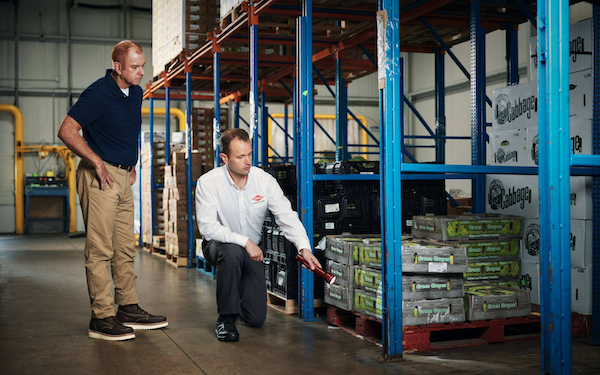
3. Maintain Sanitation and Moisture Controls
Maintaining sanitation and moisture control is critical to pest management, including stored product pests. Clean spills promptly and remove buildup around conveyor lines, transfer points and areas under or behind equipment. Even small amounts of residue can provide food for stored product pests.⁴ ⁵ In a post-storm audit, identify any areas where outdoor debris entered the facility and have these areas cleaned as soon as possible.
Moisture should also be limited. Remove standing water, inspect machinery for mold or mildew and check cold-storage areas for water accumulation. Leaking pipes, floor drains and produce-washing areas can support other pest pressures and create additional food safety concerns.¹ ⁴
4. Verify Monitoring and Response Procedures
Monitoring can help facilities identify patterns in pest activity, locate the source of issues and know whether treatments are working. After a severe weather event, verify that the monitoring program remains intact, especially where inventory or equipment was moved. Your pest control professional should conduct a full audit of the facility’s IPM plot plan to ensure that all equipment is still in place and functioning properly. Employees should also know how to report pest sightings or signs of pests like webbing, damaged packaging, exit holes in grain or unusual changes in a product’s appearance or odor.³ ⁴
Stored product pest programs may use species-specific pheromone or sticky traps to detect activity. Monitoring findings should be evaluated against established action thresholds and escalation plans so that responses reflect the pest species and level of activity observed.³ In the aftermath of a weather event, any unusual pest activity should be documented, and immediate preventive controls should be put in place to eliminate introduced stored product pests before they become established in the plant.
5. Document Changes and Coordinate With Partners
Documentation is an essential part of keeping food and beverage processing facilities audit-ready. Facilities should maintain a pest sighting log that records the date and time of each sighting, the pest identified and the actions taken in response. To provide a complete picture during an audit, each sighting should be paired with documentation showing the corrective measures implemented. If any changes are enacted in the equipment monitoring system, they should be reflected in an updated IPM plot plan for the facility.
Facilities should also keep detailed service reports from their pest management provider. These reports should document signs of pest activity, site vulnerabilities such as cracks or water leaks, the corrective actions taken and verification that those actions effectively resolved the issue. Together, pest sighting logs and service reports help support an audit-ready Pest Prevention Pre-Requisite. Digital reporting tools such as Orkin InSite®, which provides a comprehensive view of a facility’s pest management program in a convenient online dashboard, including any changes to the IPM plot plan, can help organize and maintain these records and support audit readiness.² ³
Schedule a post-storm inspection with the pest management provider to confirm that preventive measures remain effective. Coordination with shipping partners and building contractors can also help prevent temporary recovery measures from weakening the Pest Prevention Pre-Requisite.¹ ³
How Can Proactive Pest Management Help Food Processors Prepare for Storm Season?
The pest prevention pre-requisite of the Food Safety Plan is designed upon the foundation of proactive pest management. Proactive pest management as part of a pre-requisite program can help food processors prepare for severe weather by identifying structural vulnerabilities, reviewing stored product pest risks and establishing how essential prevention practices will continue if operations are disrupted.
After a storm, a coordinated inspection can determine whether building damage, moisture, relocated inventory or revised receiving procedures require changes to the IPM program. Documentation should reflect those findings and the corrective actions taken in response. Don’t forget to update the plan, along with validation documentation, for any corrective actions taken.
This approach helps keep pest management integrated into the facility’s food safety plan as part of the pest prevention prerequisite. By planning proactively and reassessing controls after severe weather, food and beverage processors can protect themselves against a range of pest pressures while reducing the chance that a year-round stored product pest risk becomes an additional recovery challenge.
Frequently Asked Questions About Stored Product Pests and Severe Weather
What are stored product pests? Stored product pests are insects, including certain beetles, weevils and moths, that target dry goods, ingredients and packaged food and food-related products. They can damage or contaminate inventory in food processing and storage environments.³
Does severe weather cause stored product pest infestations? Severe weather does not cause stored product pest infestations, but it can damage facility protections, affect pest environments and disrupt a facility’s routine prevention practices. Stored product pests are a year-round risk.¹ ³
What food products are most vulnerable to stored product pests? Grains, cereals, flour, nuts, dried fruit, spices, chocolate and other confections can attract different stored product pest species. The risk depends on the commodities, ingredients and finished products in a facility and how they are stored.⁴
What are common signs of stored product pest activity? Warning signs may include webbing, insects in or around products, small exit holes in grain, damaged packaging, discoloration or unusual odors. Indian meal moth larvae may also appear on walls or ceilings.⁴
How are stored product pests monitored? Pest management programs may use pheromone or sticky traps designed for specific pests. These stations are documented in an IPM plot plan and data is tracked for trend analysis. Monitoring data can be compared with action thresholds and escalation plans to guide an appropriate response.³
Related Articles
-

Recent studies under controlled laboratory conditions have demonstrated that German cockroaches still make contact with pyrethroid-treated surfaces—contradicting the common belief that these compounds are strongly repellent. Pest management professionals should consider how formulation type, application strategy, and environmental context influence…
-

Industry professionals are developing and implementing integrated pest management to comply with food safety regulations and meet the promise of environmentally friendly operations. Discover how a holistic approach to pest control is revolutionizing sustainable agriculture from the farm to food…
-

Most audit standards that concern food safety include an assessment of a facility’s capability to manage pest-related hazards. Implementing robust pest management strategies can significantly support positive results during food safety audits. Effective pest management is a crucial component of…
-

Misinformation surrounding pest control can lead to costly mistakes, regulatory troubles and even potential health risks. Following are some of the most common myths surrounding pest control as well as the top strategies for exclusion and control.
-
The holiday season is a busy time for pests. As they begin their search for warmth, it’s important to be aware of their activity and help prevent your food processing facility from becoming the next holiday home for the pests…
-

Pests hide wherever food residue, moisture, warmth and access points converge. In food processing facilities, those conditions appear every day in loading docks, floor drains, equipment voids and ingredient storage. A proactive Integrated Pest Management (IPM) program is the FDA-aligned…
