

Severe weather can increase stored product pest risks in food and beverage processing facilities by damaging building protections, disrupting routine sanitation, inspection and monitoring practices as well as causing an increase in stored product pest activity. While severe weather does not create stored product pest risks by itself, storm-related damage and operational disruptions can make existing pest activity harder to detect and manage and create conditions that are conducive to pest activity and survival

Fly control is a critical food safety requirement for food processing facilities. As temperatures rise, fly breeding cycles accelerate, increasing the risk of pathogen transfer (including Salmonella and E. coli), audit findings and FSMA or GFSI nonconformities

The holiday season is a busy time for pests. As they begin their search for warmth, it’s important to be aware of their activity and help prevent your food processing facility from becoming the next holiday home for the pests this year.

FSIS to take over inspections when Boar’s Head plant reopens

Most audit standards that concern food safety include an assessment of a facility’s capability to manage pest-related hazards. Implementing robust pest management strategies can significantly support positive results during food safety audits. Effective pest management is a crucial component of a strong food safety culture in food production facilities, resulting in ongoing improvements in audit performance.
Industry professionals are developing and implementing integrated pest management to comply with food safety regulations and meet the promise of environmentally friendly operations. Discover how a holistic approach to pest control is revolutionizing sustainable agriculture from the farm to food facilities.

Recent studies under controlled laboratory conditions have demonstrated that German cockroaches still make contact with pyrethroid-treated surfaces—contradicting the common belief that these compounds are strongly repellent. Pest management professionals should consider how formulation type, application strategy, and environmental context influence pest behavior.
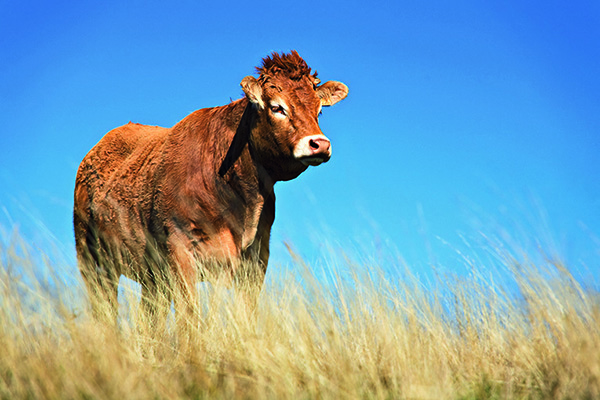
High-starch diets could reduce dangerous bacteria in beef cattle, offering new food safety strategies.

Staying on top of stinging pests can help keep your product protected, employees safe and business running smoothly. Following we look preventive practices for the most common stinging pests, as well as best practices and potential regulations related to their removal and control.

With food safety as a top priority for your business, keeping all pests out should also be top of mind. Stored product pests are tiny insects that can quickly damage your products and lead to lost profits. Glen Ramsey, board-certified entomologist and Director of Technical Services for Orkin, explains how facilities can keep stored product…