
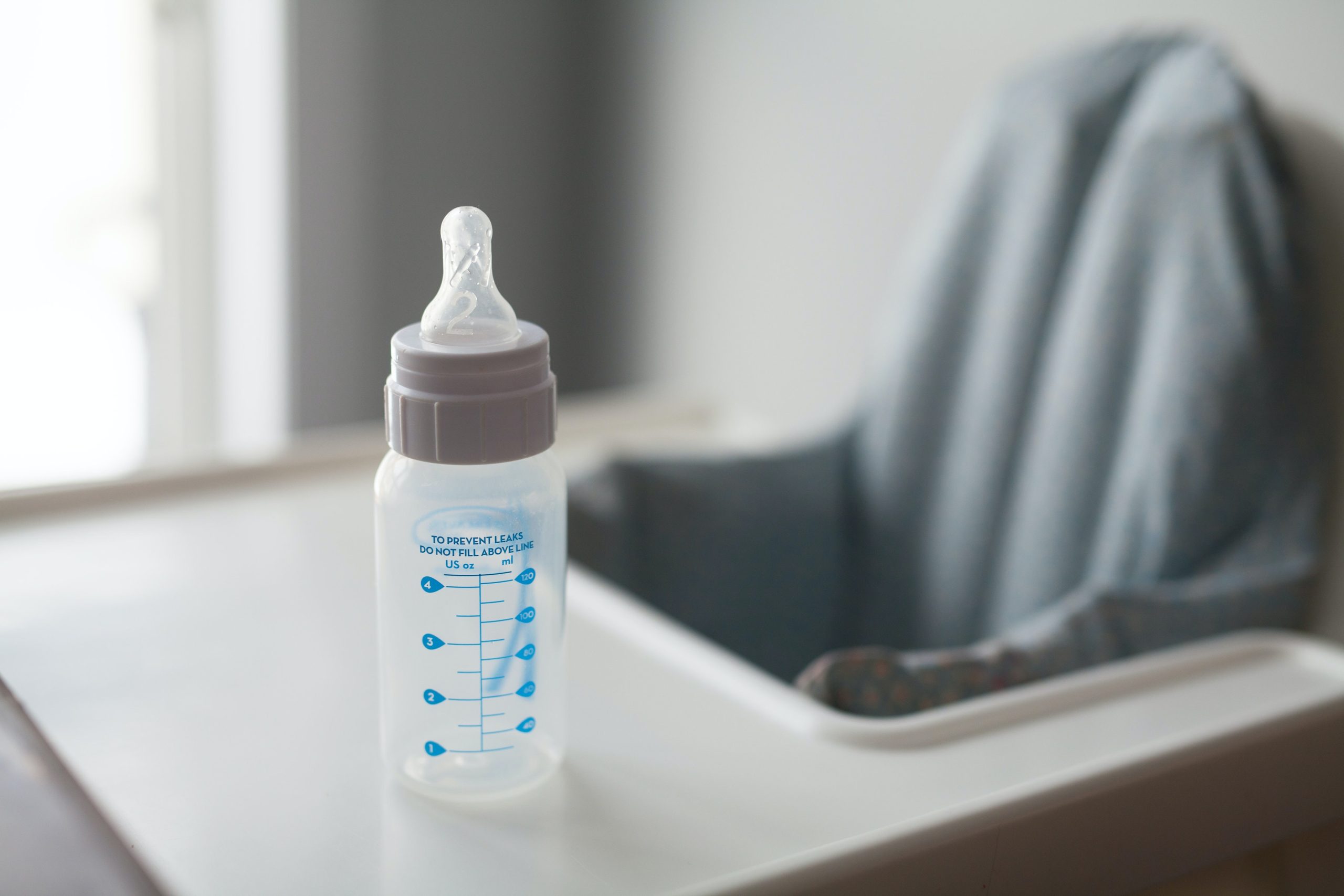
The Food and Drug Administration issued a proposed rule that, if finalized, would update infant formula nutrient requirements. Also, the FDA released new chemical contaminant testing data showing that most infant formula samples had low or non-detectable levels of contaminants.
Modernizing Infant Formula Nutrient Requirements
As part of its first comprehensive review of infant formula nutrients since 1998, the FDA today issued the first of three planned proposed rules that, if finalized, would update infant formula nutrient requirements. The proposed changes would help ensure that infant formula requirements reflect the available gold standard science to support infant growth and development.
The proposed changes represent the first phase of the FDA’s comprehensive review of the 30 nutrients currently required in infant formula marketed in the United States. The FDA is conducting the review in three phases, allowing the agency to advance and receive public comment on evidence-based proposals as each phase of the review is completed. Subsequent phases will assess the remaining required nutrients, potential new nutrient requirements, and carbohydrate sources. The FDA intends to consolidate final changes to infant formula nutrient requirements into a single comprehensive final rule.
This proposed rule would update requirements for iodine, manganese, vitamin A, and vitamin D and reaffirm existing requirements for chloride, potassium, selenium, and sodium. It would also change the units of measure for two nutrients and request public input on potential requirements for ingredients that are currently not required in infant formula but commonly added by manufacturers due to their nutritional value. There is evidence to support that nutrients, such as arachidonic acid (ARA), docosahexaenoic acid (DHA), and L-carnitine, contribute to neurodevelopmental health in infancy.
Latest Infant Formula Contaminant Testing Results
Also, the FDA released new chemical contaminant testing data on infant formula. Most infant formula samples tested had low or non-detectable levels of chemical contaminants, consistent with findings released earlier this year. To make these results easier to find and explore, the FDA launched a new Infant Formula Testing Webpage and an Infant Formula Chemical Contaminants Dashboard. In alignment with the FDA’s Closer to Zero initiative, the agency is working toward establishing action levels for certain chemical contaminants in infant formula and will continue to monitor contaminant levels in infant formula and take action as appropriate.
Related Articles
-


While it feels like we had more food recalls than usual this summer, the number of recalls is actually on par with recent years. However, the recalls are getting bigger and more complex. Fewer, larger suppliers are serving more points…
-

Study ties digital maturity to measurable ROI and food safety performance; 290 food manufacturer respondents, full findings debut at the Food Safety Consortium, October 21-23 in Washington, D.C.
-

The massive Cyclospora outbreak linked to Taylor Farms is officially over, but key questions remain about the Food and Drug Administration’s (FDA) handling of the crisis. In response to growing scrutiny over its response, the agency recently announced new commitments…
-
Here we propose a dual scoreboard, comprised of leading and lagging statistics taken from actual operations and the system's output -- as expressed through recall and outbreak incidents. The work is the first application of the concepts on top of…