

Over the past six months we have published a series of articles on many practical aspects of managing Listeria in Food Plants. This last article is a summary along with links to each of article in the series.

FSQA leaders have their hands and days full, so training isn’t often on the front burner of responsibilities. After all, HR is on it, right? But food safety training is one of the leading indicators every FSQA leader should be focused on, to help ensure lagging indicators — like lab results and quality holds — are exactly where they should be.
From food safety and quality to food defense, integrity, and physical and digital security, the system continues to operate in silos. More than ever, there is the need for a unified, risk-based U.S. food protection system.
No company is going to say publicly they would not make a choice to chase. It’s unethical, and bad business practice. However, it’s their actions which are telling. How they chase is what matters.
There are two very complementary schools of thought about managing Listeria in a food plant. One, keep the organism out; and two, when you find it, eradicate it. Common sense, but extremely difficult to execute to ensure that Listeria never makes it into a finished product.
If your company has decided to look for Listeria, how do you go about doing so? The overall objective is to establish, validate, and execute an “environmental monitoring program” (EMP). This is the 4th in a series of 6 Listeria in Food Plants articles.

Led by Dr. Darin Detwiler, a professor, author, and internationally recognized food safety expert, this interactive workshop will explore best-in-class communication strategies rooted in behavioral science.
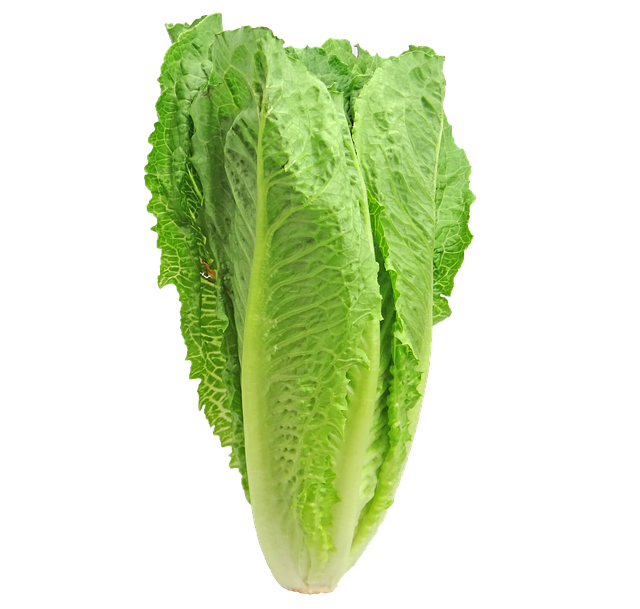
New research is identifying workable solutions to the presence of heavy metals in vegetables and rice that can be applied by all stakeholders from growers to consumers.
It is quite easy for Listeria to get into a food plant on someone’s shoes, or equipment being brought in from outside, or ingredients coming from a supplier. This is the third article in a series on Listeria in Food Plants
To enforce food safety regulations, FDA and USDA have a “zero tolerance” policy for Listeria monocytogenes (Lm) in certain foods. This is the second article in a series on Listeria in Food Plants.