
The company has announced that its comprehensive line of food allergen tests includes quantitative and screening test kits that can quickly and accurately detect peanut and almond allergens in cumin and spice blends.
GMOs, FSMA and menu labeling are all hot topics right now in the world of food policy and regulation. To further discuss the latest updates,TraceGains’ Chelsey Davis sat down with Baylen J. Linnekin, Executive Director for Keep Food Legal, Adjunct Professor at George Mason School of Law, and Columnist at Reason, to explore his take on a few of these key issues.
Undeclared allergens are the cause of a great number of recalls in the United States, causing significant consumer health issues, scrap costs, and sourcing conundrums. Under FSMA, good manufacturing practices are undergoing revisions, and the one area that has gotten the most attention is allergen control.
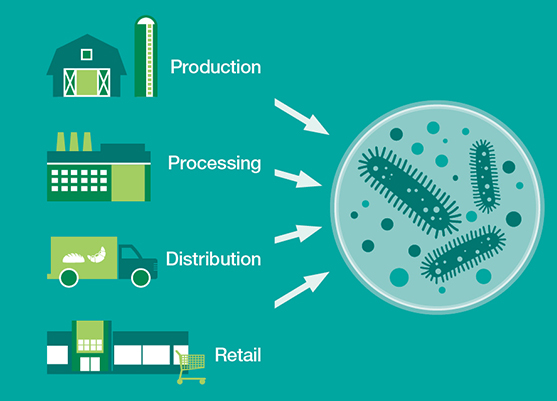
The consortium hopes that the research will result in a ‘microbial baseline,’ which will be a gold standard for food and health officials globally to understand what triggers contamination of food and a foodborne illness outbreak.
While the sale of raw milk is already banned for human consumption in all states and territories in the country, raw milk is still sold as ‘bath milk’ or ‘cosmetic milk’ with a disclaimer, but it is knowingly being consumed by people who argue the bacteria in raw milk are beneficial to health. Raw milk cheese gets a pass.
Food safety oversight is currently split up among 15 agencies in the Departments of Health and Human Services, Agriculture, and Commerce. The Safe Food Act of 2015 introduced in both houses of Congress on Wednesday, aims to consolidate all the authorities for food safety inspections, enforcement and labeling into the Food Safety Administration.
So far, 61 outbreaks have been associated with raw sprouts, sickening at least 11,179.

How to build an effective environmental monitoring program and what are the factors to consider? Food Microbiology and Toxicology expert Prof. Ann Draughon offers some insights.
A second positive test for bovine spongiform encephalopathy or BSE on a 15-year-old cow reinforced suspicions that it had mad cow disease, the Norwegian Veterinary Institute said.
If an auditor were to walk through your site today, would you be proud of its set-up and its ability to uphold quality and regulatory standards for yourself and your client?