Prop 65 label
Beltway Beat

Texas to put Warning Labels on Foods with any one of 44 Additives

By Food Safety Tech Staff
No Comments
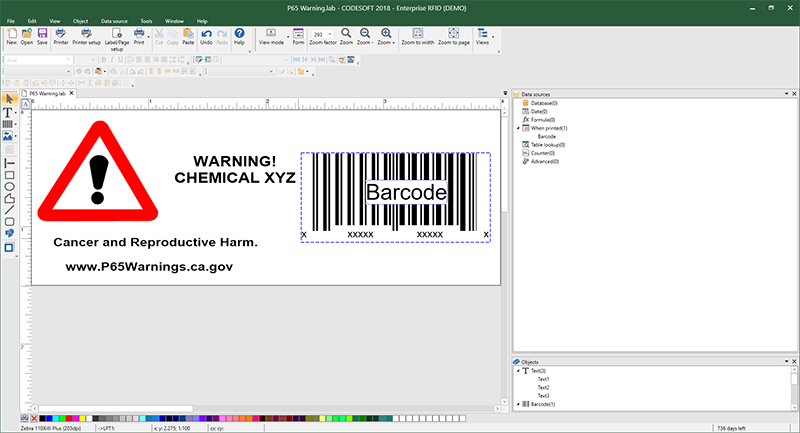
Prop 65 label

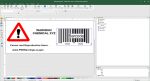
Food Politics by Marion Nestle reported today that Texas Governor Greg Abbott has signed a bill authorizing warning labels on food products containing one or more of a long list of chemical additives. The list includes the color additives that the FDA has targeted, but also bleached and brominated flour, BHA and BHT, DATEM, Olestra, partially hydrogenated oil, and potassium bromate and iodate. The label reads:

WARNING: This product contains an ingredient that is not recommended for human consumption by the appropriate authority in Australia, Canada, the European Union, or the United  Kingdom.

Food Politics added “what’s also stunning is how far this law goes beyond California’s law prohibiting red dye No. 3, and West Virginia’s law restricting seven dyes in schools.”

Obviously, Food companies cannot formulate products for individual states. To sell into Texas, companies with the 44 additives in their products will have to a) publish the warning label on their packaging b) get rid of these chemicals, c) lobby for a less restrictive federal law preempting state laws.

Ask The Expert

Jennifer Lott, of SGS to join the Food Safety Tech Editorial Advisory Board

By Food Safety Tech Staff
No Comments

Food Safety Tech, the leading digital platform serving the global food safety and quality assurance community announces the addition of Jennifer Lott, Technical Development Director for Food Management in the Business Assurance division of SGS North America Inc. (“SGS”) to the Editorial Advisory Board of Food Safety Tech.

“I am thrilled to have Jenn join the Board,” says Rick Biros, Food Safety Tech’s Content Director & Founder. “Her technical expertise and industry knowledge will help Food Safety Tech focus on the most current issues and challenges facing the food and beverage industry.”

Editorial Board members meet periodically with Biros and provide their recommendations of editorial topics for future content. They also are on hand to review contributed content for accuracy and clarity. Some Board members contribute content themselves and are speakers in virtual and in-person events.

“I’m honored to join the Editorial Advisory Board at Food Safety Tech,” Lott shared. “This role aligns perfectly with SGS’s mission to advance food safety through science, innovation and collaboration. I look forward to contributing to meaningful dialogue that drives the industry forward.”

Lott has authored articles, presented in several Food Safety Tech webinars, virtual events and at past Food Safety Consortium Conferences.

Reducing the Risk of Arsenic in Rice

By Food Safety Tech Staff
No Comments

The study, which appears in the journal Environmental Geochemistry and Health was supported by IAFNS Food & Chemical Safety Committee and focuses on mitigating arsenic uptake in rice, which often grows in flooded fields.

A focus on arsenic is important as high levels of arsenic exposure can cause acute symptoms like vomiting, diarrhea and nerve damage. And long-term exposure to low levels of arsenic can lead to skin problems, increased cancer risk (particularly skin, bladder and lung cancer), and cardiovascular disease.

Rice is typically grown under flooded conditions that support anaerobic microbial metabolism that promotes generally small amounts of plant uptake of arsenic. Some amount of this arsenic ends up consumed by humans and in some populations and diets, rice is one of the largest sources of inorganic arsenic intake.

To identify arsenic mitigation opportunities, the researchers conducted a literature search using an extensive database spanning from 2008 through 2024. The review covered 120 studies in 14 countries and included 44 field studies, 68 potted plant studies, and 8 studies on postharvest practices.

Rice uptake of arsenic can be limited by selecting varieties that accumulate less arsenic in the grain. However, the difference in arsenic accumulation between subspecies can impact yields, as high-yield varieties typically have higher total arsenic accumulation than lower-yielding varieties.

Of all the mitigation methods surveyed, alternative water management techniques are perhaps the most effective in limiting arsenic concentrations in rice. These irrigation management strategies include sprinkler irrigation, alternate wetting and drying, furrow irrigation, aerobic cultivation and rainfed irrigation. However, there may be barriers to implementing alternate wetting and drying irrigation in place of flooding due to several reasons including — but not limited to — a lack of control of irrigation water due to the pump and canal distribution networks at some farms.

Despite differences in soil type, climate and type of irrigation method applied, every study in the review found that irrigation methods with dry periods lowered total grain arsenic anywhere from 10 to 98% in rice when compared to continuous flooding.

However, one drawback of employing irrigation methods with dry periods is the likelihood of higher cadmium concentrations — another toxic heavy metal — in some soils because that metal is most bioavailable under dry conditions.

Soil Amendments

Additives intended to improve the soil called “soil amendments” containing silicon compounds have been demonstrated to lower arsenic uptake in plants. The majority of studies reviewed found that silicon amendments decreased grain total arsenic 7% to an estimated 78% at various levels of application.

Studies in this review that measured grain arsenic also found that application of the metal selenium as an amendment lowered grain total arsenic an estimated 7–100% depending on factors such as arsenic level in the soil and application amount. Higher rates of application were generally more effective, but overdoses of selenium can be toxic to the plant and runoff from fields can pollute the environment.

The majority of reviewed studies found that sulfur amendments lowered total arsenic 27–72% in rice, though not under all management conditions.

Combining different soil amendments can be effective as well. Studies show that combinations of amendments were able to lower grain total arsenic up to 61% while also lowering grain cadmium up to 93%.

Postharvest Techniques

Parboiling, or partially cooking and drying the rice in the husk, is known to reduce arsenic in the grain. On an industrial scale, it requires more energy and labor than milling raw rice. Alternatively, rinsing, soaking and modifications in cooking require minor amounts of water and energy and are viable methods of reducing arsenic for home cooks. For example, cooking methods that involve briefly parboiling rice before cooking and discarding the parboiling water lowered levels of arsenic up to 83%.

The article also addresses data needs and the high cost of testing crops for arsenic. According to the authors, “Investment in accurate, high-throughput testing would also enable farmers who grow low-arsenic rice to contract with mills to provide low-arsenic rice and rice products intended for sensitive populations…”

The researchers add that “Our recommendation is to create regional, public-sector laboratories … for high-throughput arsenic speciation analysis that could facilitate creating a pipeline for low-arsenic rice streams.”

According to lead author Marguerita Leavitt from the University of Arkansas — now an associate consultant and analyst at SES, Inc. in Kansas City, “We hope that this paper will provide a roadmap for growing healthier rice using research-based methods.”

Co-author Dr. Benjamin Runkle, also at Arkansas, adds “this review and perspective really highlights the way that water-saving practices can provide multiple benefits — not only are they more environmentally sustainable, they can also improve grain quality and reduce some health risks too.”

Photo credit: Beth Biros

FDA Logo
Beltway Beat

Application for FY2026 Benefits in the VQIP Portal Due September 1

By Food Safety Tech Staff
No Comments
FDA Logo

The application window for the Voluntary Qualified Importer Program (VQIP) portal for fiscal year FY 2026 benefits will close on September1, 2025. Submitting applications early ensures sufficient time for review and user fee processing. VQIP benefits will begin on October 1, 2025, contingent upon approval of the application and receipt of the user fee payment.

VQIP is a fee-based program that offers importers an opportunity to expedite the review and importation process of human and animal foods into the United States by demonstrating and maintaining control over the safety and security of their supply chains.

Prior to applying, it is essential to confirm that all foreign suppliers of the intended food imports under VQIP hold valid facility certifications issued by a certification body (CB) accredited under the FDA’s Accredited Third-Party Certification Program (TPP).

Importers or foreign suppliers seeking eligibility for VQIP should engage with an accredited CB under TPP to arrange for an audit meeting the criteria of a regulatory audit. It’s crucial to note that only the outcomes of a regulatory audit can ascertain eligibility for certification under TPP, as per the definitions outlined in 21 CFR 1.600(c) and 21 CFR 1.651.

Food importers interested in applying for VQIP benefits during FY 2026, visit:

Questions may be submitted to the VQIP Importers’ Help Desk via 1-301-796-8745 or via email to FSMAVQIP@fda.hhs.gov.

Food Safety Culture Club

The Alliance to Stop Foodborne Illness Announces 2025 Mentees

By Food Safety Tech Staff
No Comments

The Alliance to Stop Foodborne Illness, an arm of the national nonprofit consumer advocacy organization Stop Foodborne Illness  announced its 2025 Mentorship Program companies: Lakeside Foods, Bread Alone Bakery, and LifeLine Foods.

The Mentorship Program is a year-long, virtual workshop hosted by the Alliance to Stop Foodborne Illness. It is designed for small and medium-sized food companies to improve their food safety culture through direct support from large global brands.

Together, mentees will work through the Alliance’s award-winning Food Safety Culture Toolkit, while simultaneously providing feedback on how these resources can be better tailored to meet the needs of smaller companies across the industry. Mentees will attend a monthly meeting to share best practices and troubleshoot collective roadblocks, with special guest presentations from industry leaders.

Mentees will also have access to exclusive food safety culture working groups, virtual and in-person meetings, and various other events to network and learn from the best of the best in the industry.

This year’s mentees were selected based on an application and interview

“We had a number of very strong applications to choose from and the decision wasn’t easy, but ultimately we selected three companies who are deeply committed to improving their food safety culture,” said Vanessa Coffman, Ph.D., Alliance Director at Stop Foodborne Illness. “We are so thrilled to launch this mentorship program and look forward to the multi-directional learning that will happen within the cohort, from the bigger companies to the mentees, and maybe most importantly, what these smaller companies can teach us.”

“Too many people get sick and die each year from preventable foodborne illnesses. We are looking to raise all boats with the Mentorship program,” said Sandra Eskin, CEO of Stop Foodborne Illness. “This program is just one innovative way the Alliance is working to bend the curve of foodborne illness. I can’t wait to see all they accomplish!”

Beltway Beat

FDA Updates General Food Labeling Requirements Compliance Program

By Food Safety Tech Staff
No Comments

The U.S. Food and Drug Administration has updated Compliance Program 7321.005, now titled General Food Labeling Requirements and Labeling-Related Sample Analysis – Domestic and Import. This update replaces the previous 2010 version of the program and reflects current labeling regulations, operational guidance, and enforcement priorities.  

FDA’s Compliance Program (CP) outlines the guidelines and procedures for FDA inspectors when conducting inspections of food facilities, both within the United States and in foreign countries. The purpose of the CP is to help ensure that food facilities comply with FDA regulations, and to protect public health by identifying and addressing food safety issues.  

These updates support FDA’s ongoing efforts to help ensure that food labeling is truthful, not misleading, and compliant with federal regulations. The updated program will enhance oversight of domestic and imported foods, guide enforcement activities, and improve data consistency across FDA operations.  

Key changes to the program include the incorporation of sesame as the ninth major food allergen in accordance with the Food Allergy Safety, Treatment, Education, and Research (FASTER) Act of 2021, and includes guidance on gluten-free labeling requirements. The program also aligns with the 2016 updates to the Nutrition Facts label, including formatting and nutrient declaration changes. 

Women in Food Safety

Women In Food Safety Announce 2025 Roots to Success Travel Scholarship Winner

By Food Safety Tech Staff
No Comments

Women In Food Safety announced that Ellen Mendez Ph.D.has been selected as the 2025 Roots to Success Travel Scholarship Winner. Mendez, who is from Paraguay is the recipient of this year’s travel scholarship to 2025 International Association for Food Protection meeting in Cleveland Ohio.

“Dr. Mendez stood out among a competitive pool of applicants with her passion, and commitment to advancing food safety and food safety professionals.” said Melody Ge, Founder of Women in Food Safety; Sr. Director of Food Safety & Quality Operations at TreeHouse Foods.

“This scholarship reflects our mission to support and empower future leaders, and we’re proud to support Ellen on her journey to advance her career. ” Ge added.

Food Safety Tech has been supporting Women In Food Safety since January of 2020. Check out the Women In Food Safety column and all the archived articles at https://foodsafetytech.com/category/women-in-food-safety/.

Attend the Women In Food Safety Networking breakfast at the Food Safety Consortium Conference.

Women in Food Safety Networking Breakfast at the 2024 Food Safety Consortium
FDA Logo
Beltway Beat

FDA Seeks Input on a New Method for Ranking Chemicals in Food for Post-market Assessments

By Food Safety Tech Staff
No Comments
FDA Logo

The U.S. Food and Drug Administration (FDA) released for public comment its proposed method for ranking chemicals in the food supply. This method provides a transparent, systematic, and science-based approach to determine which chemicals the agency would prioritize for post-market assessments through the agency’s post-market chemical review program. It will allow the FDA to allocate resources more efficiently, ensuring that the agency focuses on food chemicals that may present the greatest potential public health risk, including risk to sensitive populations, and are of high public concern.

Determining if a chemical—either one intentionally added to food or a contaminant that is not intentionally added—needs to be further evaluated based on new information takes a structured and science-based approach to ensure that the FDA’s reviews are most protective of the health of consumers. The method released today uses Multi-Criteria Decision Analysis (MCDA) to determine a score for each chemical based on evaluating the information about a chemical against a pre-determined set of criteria. The method is similar in approach and criteria to one that the U.S. Environmental Protection Agency uses for prioritizing chemicals, but the FDA’s method takes into account factors specific to exposure from food and uses a scoring method similar to the FDA’s Risk Ranking Model for Traceability.

Beltway Beat

Trump Nominates Mindy Brashears to Second Term as USDA’s Under Secretary for Food Safety

By Food Safety Tech Staff
No Comments

Mindy Brashears, the former Under Secretary for Food Safety at the U.S. Department of Agriculture has been nominated again for a second term by Trump. For her first term she was nominated by Trump and confirmed by a Senate vote on March 23, 2020 and concluded her service on January 20, 2021. Dr. Emilio Esteban, currently the Chief Scientific Officer for Mérieux NutriSciences’ North America division, and Head of its Global Analytical Hub was the Undersecretary for Food Safety at USDA who succeeded Brashears.

Her responsibilities as Under Secretary included leading the nation’s Food Safety and Inspection Service (FSIS) and its team of over 10,000 food inspectors and scientists. She chaired the Codex Alimentarius Policy Committee, which made her the highest-ranking food safety official in the U.S. government during her tenure.

Following her time at USDA, she returned to her role as professor of food microbiology and food safety at Texas Tech University where she is the director for the International Center for Food Industry Excellence

Brashears nomination for the Senate confirmation process is now before the Senate Committee on Agriculture. A hearing date has not yet been scheduled.


CDC, FDA, USDA logos
Beltway Beat

FDA, USDA FSIS, CDC and States Collaborate on Outbreak Investigation of Listeria from Chicken Fettuccine Alfredo Meals

By Food Safety Tech Staff
No Comments
CDC, FDA, USDA logos

The U.S. Food & Drug Administration (FDA), U.S. Department of Agriculture Food Safety and Inspection Service (USDA FSIS), and Centers for Disease Control and Prevention (CDC), in collaboration with state and local partners, are investigating illnesses in a multistate outbreak of Listeria monocytogenes infections linked to chicken fettuccine alfredo meals. Recalled product assembled at FreshRealm, Inc.’s San Clemente, California; Montezuma, Georgia; and Indianapolis, Indiana, manufacturing locations may be adulterated with the outbreak strain of Listeria monocytogenes.

As of June 18, 2025, a total of 17 cases have been reported from 13 states. Of the 11 people interviewed, 7 reported eating precooked meals, and 4 (57%) specifically reported eating chicken fettuccine alfredo. Of 17 people with information, 16 (94%) were hospitalized and there are 3 deaths attributed to listeriosis. There is one pregnancy associated illness in a mother that resulted in a fetal loss.

FDA has conducted a thorough investigation in response to this outbreak, including traceback of FDA-regulated ingredients within the assembled product. FDA used specific meal information reported by ill people, and collected by state officials and CDC, and firm records to trace FDA-regulated ingredients through the supply chain to the establishments where those were produced.  FSIS identified the outbreak strain in a routine sample of FreshRealm’s chicken fettuccine alfredo collected on March 19, 2025. This lot of product was not distributed into the food supply. FSIS also used purchase documentation to trace chicken fettuccine alfredo products purchased by two ill people to FreshRealm establishments. An additional two ill people verbally described chicken fettuccine alfredo products they purchased. FSIS identified products produced by FreshRealm that matched the descriptions during follow-up at the retail stores where they shopped.

FDA also initiated multiple inspections, including sample collection, at the manufacturers of some ingredients used to make the chicken fettuccine alfredo product.

Testing of the FDA-regulated ingredients collected to date is complete and the outbreak strain of Listeria was not found. FDA and FSIS have not yet determined a source of contamination for this product; however, both agencies are working closely with each other and CDC to continue to collect information to determine what additional steps are needed to protect public health.

On June 17, 2025, in response to this investigation, FreshRealm, Inc., recalled their pre-made chicken fettuccine alfredo products sold at Kroger and Walmart.