
Tag Archives: rice

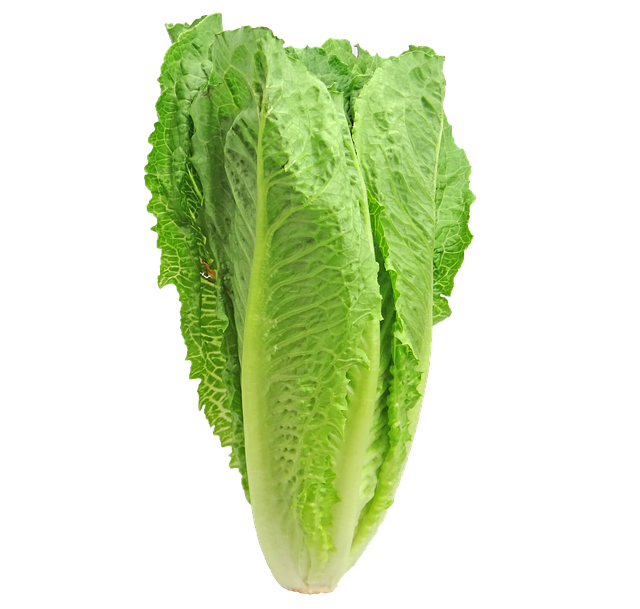
Romaine Lettuce
Ask The Expert

Heavy Metals in Rice and Leafy Greens: Paths to Reductions

By Neal Saab, PhD
No Comments
Romaine Lettuce

Some food contaminants arise from natural or agricultural environments where crops are grown. Examples include heavy metals which are sometimes present in leafy greens like spinach and grains like rice. If concentrations of these and other heavy metals exceed certain thresholds they can pose risks to public health, especially in younger populations. Both food groups are critical components of nutritious and wholesome diets. But the risks posed by sometimes significant levels of heavy metals are giving health experts pause and prompting new research into how to reduce potential risks in vegetables and grains without reducing or eliminating these healthy foods from diets.

The sensitivity of children to heavy metals/toxic elements has led the U.S. Food and Drug Administration to establish a ‘Closer to Zero’ initiative to reduce them in the food supply. This often involves addressing important food groups like vegetables and rice.

Leafy greens like spinach, kale and lettuce can absorb metals like cadmium and lead which are often naturally found in the soil. But they do so in different ways and in different parts of the plant. And the potential for arsenic to accumulate in rice under certain growing conditions is leading researchers to explore steps both farmers and home cooks can take to reduce the metals’ presence.

One study led by Dr. Angelia Seyfferth at the University of Delaware and supported by the food safety and nutrition research nonprofit IAFNS uses spinach to compare and contrast how cadmium and lead differ in how they move through soil and accumulate in plant foods. The paper also discusses practical pre- and post-harvest techniques to reduce human exposure to these metals that can be adopted by farmers, food processors and consumers.

The study, “Mitigating Toxic Metal Exposure Through Leafy Greens: A Comprehensive Review Contrasting Cadmium and Lead in Spinach,”1 appears in the peer-reviewed journal GeoHealth. This review highlights differences in the magnitude of exposure, bioavailability, and the practicality of mitigation strategies and calls for more research on cutting chloride inputs to leafy green crops like spinach, kale and lettuce to reduce plant uptake of cadmium.

According to the authors, “It is paramount to understand the soil and plant factors that dictate contaminant accumulation in edible tissues to identify mitigation strategies for metals in foods.”

They recommend action during both crop cultivation and product processing. “Pre-harvest techniques are generally actionable by the grower and include soil preparations and amendments, irrigation practices, and cultivar selection. Post-harvest techniques are further downstream and include spinach handling in the field, washing either by a factory or by the consumer, and other consumer-driven choices regarding diets.” The paper also looks at mitigation steps for lead and other metals in several crops.

Alternative Cultivation

Another study supported by IAFNS in the journal Science of Food finds that alternative cultivation practices that reduce water use may reduce greenhouse gas emissions and arsenic concentrations in rice crops but may inadvertently also boost levels of cadmium in rice plants. That paper, Unintended Food Safety Impacts of Agricultural Circular Economies2, with Case Studies in Arsenic and Mycotoxins, makes several findings.

For example, continually flooded rice paddy production — the traditional method of producing rice — boosts arsenic levels in rice. But alternate wetting-drying rice production reduces the risk of arsenic uptake from soil. However, dryer soils may lead to greater uptake of cadmium in crop plants. The authors remind readers that alternative cultivation practices are not all-or-nothing strategies. For example, rice farmers often carefully weigh the specific amount of flooding and dry field management in a manner that optimally reduces both arsenic and cadmium uptake by their crops.

A third IAFNS study, Agronomic Solutions to Decrease Arsenic Concentrations in Rice3, suggests that the most effective treatments for reducing levels of the toxic metal arsenic in rice are cultivar selection, irrigation management, cooking approach and the application of selenium or silicon soil amendments. This research appears in a recent article “Reducing the Risk of Arsenic in Rice” in Food Safety Tech. The article pointed out that both farmers and home cooks can take steps to reduce arsenic.

Postharvest Techniques

Partially cooking and drying the rice is known to reduce arsenic. Rinsing, soaking and disposing of the leftover water are viable methods of reducing arsenic for home cooks. For example, cooking methods that involve briefly parboiling rice (partially cooking in boiling water before finishing by steaming or other methods) and discarding the parboiled water lowered levels of arsenic up to 83%.

The presence of heavy metals in healthy foods like leafy greens and rice pose potential public health challenges and require creative research, analysis, and engagement with stakeholders throughout the supply chain. New research is identifying workable solutions to this issue that can be applied by all stakeholders from growers to consumers. IAFNS is proud to catalyze new science that is mitigating the risks of toxic metals in foods.

References

1 Seyfferth, A.L., Limmer, M.A., Runkle, B.R.K., Chaney, R.L. (2024). Mitigating toxic metal exposure through leafy greens: A comprehensive review contrasting cadmium and lead in spinach. GeoHealth, 8(6).  https://doi.org/10.1029/2024GH001081

2 Scott, C.K., Wu, F. (2024). Unintended food safety impacts of agricultural circular economies, with case studies in arsenic and mycotoxins. Science of Food, 8(52). https://doi.org/10.1038/s41538-024-00293-8

3 Leavitt, M.E., Reba, M.L., Seyfferth, A.L., Runkle, B.R.K. (2025). Agronomic solutions to decrease arsenic concentrations in rice. Environmental Geochemistry & Health, 47(209). https://doi.org/10.1007/s10653-025-02508-7

To sign up for a free subscription to Food Safety Tech’s weekly Newsletter, click here

Reducing the Risk of Arsenic in Rice

By Food Safety Tech Staff
No Comments

The study, which appears in the journal Environmental Geochemistry and Health was supported by IAFNS Food & Chemical Safety Committee and focuses on mitigating arsenic uptake in rice, which often grows in flooded fields.

A focus on arsenic is important as high levels of arsenic exposure can cause acute symptoms like vomiting, diarrhea and nerve damage. And long-term exposure to low levels of arsenic can lead to skin problems, increased cancer risk (particularly skin, bladder and lung cancer), and cardiovascular disease.

Rice is typically grown under flooded conditions that support anaerobic microbial metabolism that promotes generally small amounts of plant uptake of arsenic. Some amount of this arsenic ends up consumed by humans and in some populations and diets, rice is one of the largest sources of inorganic arsenic intake.

To identify arsenic mitigation opportunities, the researchers conducted a literature search using an extensive database spanning from 2008 through 2024. The review covered 120 studies in 14 countries and included 44 field studies, 68 potted plant studies, and 8 studies on postharvest practices.

Rice uptake of arsenic can be limited by selecting varieties that accumulate less arsenic in the grain. However, the difference in arsenic accumulation between subspecies can impact yields, as high-yield varieties typically have higher total arsenic accumulation than lower-yielding varieties.

Of all the mitigation methods surveyed, alternative water management techniques are perhaps the most effective in limiting arsenic concentrations in rice. These irrigation management strategies include sprinkler irrigation, alternate wetting and drying, furrow irrigation, aerobic cultivation and rainfed irrigation. However, there may be barriers to implementing alternate wetting and drying irrigation in place of flooding due to several reasons including — but not limited to — a lack of control of irrigation water due to the pump and canal distribution networks at some farms.

Despite differences in soil type, climate and type of irrigation method applied, every study in the review found that irrigation methods with dry periods lowered total grain arsenic anywhere from 10 to 98% in rice when compared to continuous flooding.

However, one drawback of employing irrigation methods with dry periods is the likelihood of higher cadmium concentrations — another toxic heavy metal — in some soils because that metal is most bioavailable under dry conditions.

Soil Amendments

Additives intended to improve the soil called “soil amendments” containing silicon compounds have been demonstrated to lower arsenic uptake in plants. The majority of studies reviewed found that silicon amendments decreased grain total arsenic 7% to an estimated 78% at various levels of application.

Studies in this review that measured grain arsenic also found that application of the metal selenium as an amendment lowered grain total arsenic an estimated 7–100% depending on factors such as arsenic level in the soil and application amount. Higher rates of application were generally more effective, but overdoses of selenium can be toxic to the plant and runoff from fields can pollute the environment.

The majority of reviewed studies found that sulfur amendments lowered total arsenic 27–72% in rice, though not under all management conditions.

Combining different soil amendments can be effective as well. Studies show that combinations of amendments were able to lower grain total arsenic up to 61% while also lowering grain cadmium up to 93%.

Postharvest Techniques

Parboiling, or partially cooking and drying the rice in the husk, is known to reduce arsenic in the grain. On an industrial scale, it requires more energy and labor than milling raw rice. Alternatively, rinsing, soaking and modifications in cooking require minor amounts of water and energy and are viable methods of reducing arsenic for home cooks. For example, cooking methods that involve briefly parboiling rice before cooking and discarding the parboiling water lowered levels of arsenic up to 83%.

The article also addresses data needs and the high cost of testing crops for arsenic. According to the authors, “Investment in accurate, high-throughput testing would also enable farmers who grow low-arsenic rice to contract with mills to provide low-arsenic rice and rice products intended for sensitive populations…”

The researchers add that “Our recommendation is to create regional, public-sector laboratories … for high-throughput arsenic speciation analysis that could facilitate creating a pipeline for low-arsenic rice streams.”

According to lead author Marguerita Leavitt from the University of Arkansas — now an associate consultant and analyst at SES, Inc. in Kansas City, “We hope that this paper will provide a roadmap for growing healthier rice using research-based methods.”

Co-author Dr. Benjamin Runkle, also at Arkansas, adds “this review and perspective really highlights the way that water-saving practices can provide multiple benefits — not only are they more environmentally sustainable, they can also improve grain quality and reduce some health risks too.”

Photo credit: Beth Biros

Susanne Kuehne, Decernis
Food Fraud Quick Bites

The Sun Does Not Shine on This Food Staple

By Susanne Kuehne
No Comments
Susanne Kuehne, Decernis
Rice fraud, Australia
Find records of fraud such as those discussed in this column and more in the Food Fraud Database, owned and operated by Decernis, a Food Safety Tech advertiser. Image credit: Susanne Kuehne

Organized crime in Eastern Europe has targeted a well-known top-level brand in Australia, shipping counterfeit rice to countries around the world under their brand. Rice grown and processed under uncontrolled conditions can bode a risk to human health due to unsanitary processing conditions and contamination from heavy metals. The affected company has initiated thorough investigations into this matter and indeed seized some counterfeit product in Saudi Arabia.

Resource

  1. Taylor, P. (July 7, 2021). “Criminal gang counterfeits Aussie rice brand SunRice”. Securing Industry.