Tag Archives: Women in Food safety

Women in Food Safety

Hard Truths & Smart Moves: A Veteran’s Guide for Women in Food Safety

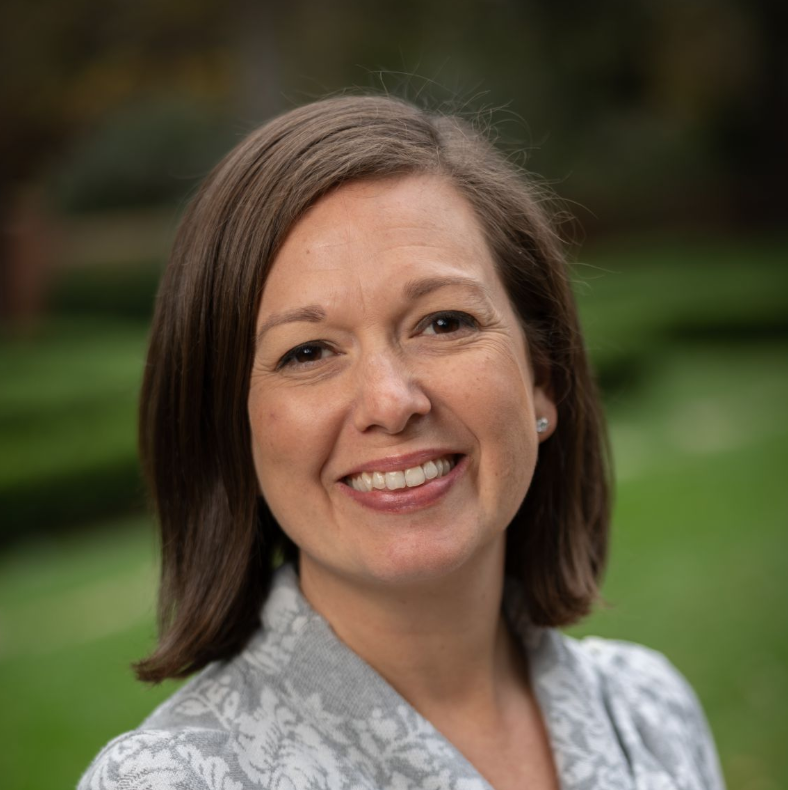
By Jill Hoffman, Kim Ring
No Comments

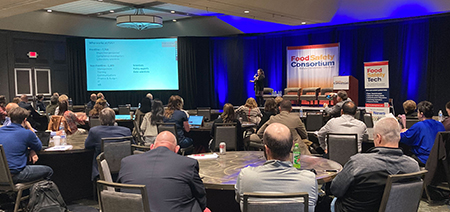
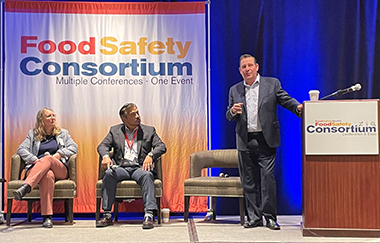
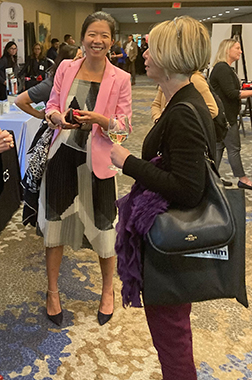
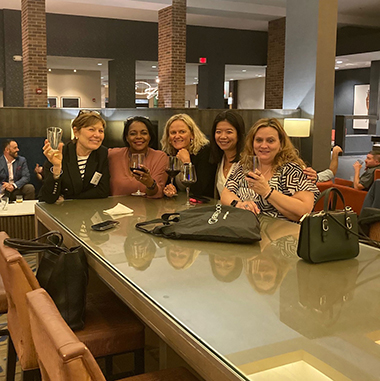
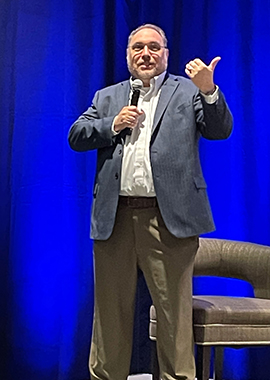
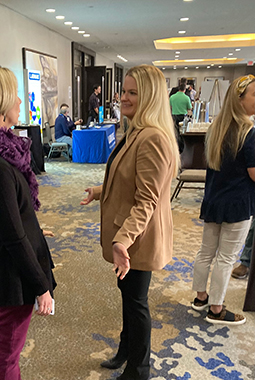
At last month’s Women in Food Safety meet-up, industry veteran Jill Hoffman took the mic and brought with her something rare: candor, clarity, and 23 years of hard-won experience in food manufacturing. Her message wasn’t sugar-coated, and it wasn’t filled with empty mantras. It was the kind of career advice that sticks, the kind you wish someone had told you on day one.

1. Be Resourceful

Nobody hands you all the answers in this industry, or in life. Jill learned this the hard way when FSMA regulations were first released. Instead of waiting for a company memo or a training session, she took it upon herself to dive into trade groups, study the material, and figure it out. That kind of initiative made her the go-to FSMA expert in her organization.

One of our members chimed in during the session to mention that she prefers to hire “thinking workers.” Translation: people who problem-solve and learn new things without waiting for direction.

2. Build Your Own Reputation

Merit is non-transferable. Coasting on someone else’s success may get you in the door, but it won’t keep you there. “At the end of the day, your work has to speak for itself,” Jill said. “The house built on someone else’s name crumbles quickly.”

3. Understand the Line Between Confidence and Arrogance

Being visible and being boastful are not the same. You don’t have to broadcast your greatness, but you do have to show up and speak up. Jill encouraged women to stop allowing imposter syndrome to take over, and start owning their accomplishments with humility.

“If you’re good, people will know,” she said. “But don’t let that stop you from sharing the wins you’ve earned.”

4. HR is Not Your Therapist

This one hits hard but needs to be said. HR is there to protect the company. They weren’t hired to be your emotional safety net. That doesn’t mean you shouldn’t speak up when something’s wrong, but temper your expectations. Know what HR’s actual job is, and act accordingly.

5. Mean Girls Don’t Retire After High School

Toxic behavior doesn’t magically disappear in the workplace. Grown-up versions of Regina George could very well walk the floor of your facility. It’s unfortunate but not entirely shocking that women in male-dominated industries often feel it from both sides. The important thing is to not play into the Cady Haron role in this scenario. Stay professional, be kind, and, most importantly, don’t let their behavior shake your confidence.

6. Fair or Not, You’re Judged on Appearance

Like it or not, women are judged differently based on how they look or what they wear. The age-old advice to “dress for the job you want” holds even more weight for women in this field. Jill’s message: Show up polished, not to impress others, but because perception still plays a role in opportunity. Dress the part, then be the part.

7. Respect People’s Time

Being busy is no excuse for being unprofessional. If you’re out of the office, say so and don’t forget to set your automatic replies. If you can’t make it to a meeting you’ve been invited to, decline it with context. Avoid the ‘reply all’ button unless it’s necessary to keep all of your colleagues in the loop. These basics in business communication show respect, and in a fast-paced field like food safety, they separate the pros from the amateurs.

8. Rejection = Redirection

Jill shared two rejections that changed her life: one from a sorority in college, and one from a women’s leadership group years into her career. Both hurt—at first. But the outcomes led her to places she never would’ve reached otherwise.

“Rejection isn’t personal,” she said. “It’s a pivot point.”

Instead of spiraling and questioning your self-worth, ask: Where is this redirecting me?

More often than not, the answer is better than where you were headed.

9. Listening Is a Superpower

In a field full of talkers and problem-solvers, listening is underrated. Active listening involves really hearing someone, not just preparing your response. By harnessing listening as a true superpower, you’ll not only earn respect, but you’ll make better decisions.

Speak when it adds value. Listen like it matters…because it does.

10. Let Them

Say you’re in a conference room brainstorming approaches for improving food safety for your next product launch. You’ve been sitting on an idea that you’ve been wanting to bring to your boss’s attention. After explaining your idea, the room goes silent until one of your colleagues suggests another idea that’s very well received, sweeping your idea gets swept under the rug. Instead of sulking and feeling like a failure, try applying the ‘Let Them Theory,’ created by bestselling author Mel Robbins. If your colleagues want to go with another idea that isn’t yours, let them.

Jill emphasized that trying to change people is futile. It’s impossible to control what other people think, say, or do. Instead, focus on what you can control: your standards, your response, your boundaries. Don’t let others make you feel less than.

11. Giving Back is Good for Your Soul (and Brain)

Volunteerism leads to a higher level of satisfaction, according to a BMC Public Health study. Jill credits volunteering with changing the trajectory of her life. After that sorority rejection, she joined a service fraternity, and giving back became a core element of her identity. For teens, it’s an antidote to toxic comparison online. For professionals, it’s a reminder that we’re more than our job titles.

12. Stop Trying to Make Everyone Like You

You don’t need to win everyone over. As author Dave Ramsey says, “Stop spending money you don’t have to buy things you don’t need to impress people you don’t like.” The same goes for emotional energy. Not everyone will like you. That’s fine. Do your job. Be kind. But stop performing for approval that doesn’t matter.

Jill didn’t sugarcoat the realities of being a woman in food safety, or any career path, but she also didn’t play the victim. Her career is proof that grit, curiosity, and professionalism still matter, and that showing up as yourself, unapologetically and consistently, is the best strategy of all.

So whether you’re navigating your first role or you’re the only woman at the leadership table, consider these tips not just advice, but survival tools. Use them wisely and share them with your female colleagues in an effort to build them up and be a cheerleader, not a ‘mean girl.’

And when in doubt? Be the resource.

Editors Note: The Food Safety Consortium and Food Safety Tech supports WIFS and for five years has published a dedicated Women In Food Safety column.

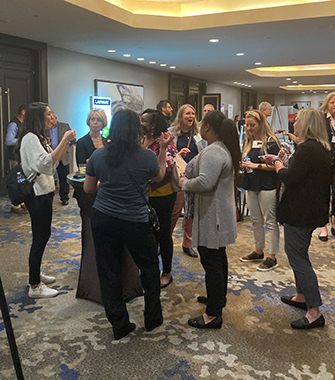
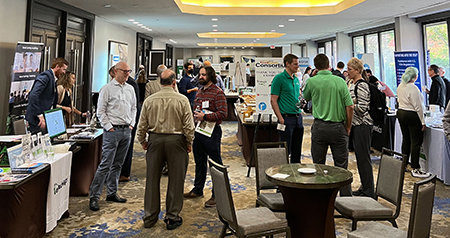
Women in Food Safety Networking Breakfast at the 2024 Food Safety Consortium
Women in Food Safety

Women in Food Safety Celebrates 5th Anniversary and Achieves Nonprofit Status

By Food Safety Tech Staff
No Comments

Women in Food Safety (WIFS), a leading community dedicated to empowering and advancing women across the food safety industry, proudly announces its official recognition as a nonprofit organization. This milestone comes at a special moment as WIFS marks its 5th anniversary in 2025.

Founded in 2020, Women in Food Safety has grown into a global network that connects, mentors, and advocates for female professionals at all stages of their careers. Since its inception WIFS has extended its membership to over 1500 professionals worldwide. With the transition to nonprofit status, WIFS strengthens its ability to expand educational programs, develop industry partnerships, and provide new resources that create lasting impact for members and the broader food safety community.

“From day one, our mission has been to build a supportive community where women in food safety can connect, thrive, grow and lead,” said Melody Ge, founder of Women In Food Safety. “Becoming a nonprofit allows us to take this mission to the next level—expanding opportunities, increasing our reach, and continuing to advocate for inclusivity and leadership in the industry.”

Over the past five years, WIFS has hosted dozens of networking events both online and in-person, launched our Roots to Success scholarship, and provided a platform (Community app) for women to share their voices and experiences. The organization’s nonprofit designation will further enable it to:

  • Expand mentorship and leadership programs for the next generation of food safety professionals.
  • Offer scholarships and career resources to support women entering and advancing in the industry.
  • Strengthen partnerships with universities, companies, and industry associations to broaden awareness and engagement.
  • Drive thought leadership on inclusion, food safety culture, and the future of the food safety and quality.

WIFS invites members, partners, and allies to join us in shaping the next chapter of growth and impact in the world of food safety.

The Food Safety Consortium and Food Safety Tech supports WIFS and for five years has published a dedicated Women In Food Safety column.
Women in Food Safety Networking Breakfast at the 2024 Food Safety Consortium

For more information, visit www.womeninfoods.org and follow us on LinkedIn.

Join the group: women-in-food-safety.mn.co

Women in Food Safety

Women In Food Safety Announce 2025 Roots to Success Travel Scholarship Winner

By Food Safety Tech Staff
No Comments

Women In Food Safety announced that Ellen Mendez Ph.D.has been selected as the 2025 Roots to Success Travel Scholarship Winner. Mendez, who is from Paraguay is the recipient of this year’s travel scholarship to 2025 International Association for Food Protection meeting in Cleveland Ohio.

“Dr. Mendez stood out among a competitive pool of applicants with her passion, and commitment to advancing food safety and food safety professionals.” said Melody Ge, Founder of Women in Food Safety; Sr. Director of Food Safety & Quality Operations at TreeHouse Foods.

“This scholarship reflects our mission to support and empower future leaders, and we’re proud to support Ellen on her journey to advance her career. ” Ge added.

Food Safety Tech has been supporting Women In Food Safety since January of 2020. Check out the Women In Food Safety column and all the archived articles at https://foodsafetytech.com/category/women-in-food-safety/.

Attend the Women In Food Safety Networking breakfast at the Food Safety Consortium Conference.

Women in Food Safety Networking Breakfast at the 2024 Food Safety Consortium
Women in Food Safety

A Journey Of Growth And Resilience: Life Is A Cycle, Follow The Flow

By Melody Ge
No Comments

It’s WIFS’s (Women In Food Safety ) pleasure to meet with Rochelly Serrano, a seasoned professional in food safety and quality (FSQ). During the conversation, Rochelly shares her career journey, insights, and reflections. From unexpected beginnings to becoming a VP, her story is a testament to perseverance, growth, and the importance of staying true to one’s values.

Rochelly’s career in food safety and quality has been marked by growth, resilience, and an unwavering commitment to her values. Her story serves as an inspiration for aspiring professionals, especially women in FSQ. As she continues to navigate her journey, she remains dedicated to her passion for quality and her belief in the power of relationships and integrity.

Starting Out: From Uncertainty to Opportunity

Rochelly’s career began with a pivotal moment shortly before her college graduation. “Dr. Elliott asked me about my plans after graduation, and I had no idea,” she recalls. She considered various paths, including veterinary medicine, sales, and pharmacy, but none resonated with her. As an introvert, she found these options unappealing. However, a fortuitous connection through Dr. Elliotte led to an interview with the VP of HR at Tysons Foods, a major meat manufacturing company. This opportunity set her on an unexpected path.

Despite lacking industry knowledge, Rochelly began as a production supervisor. Reflecting on her early days, she admits, “I wasn’t mentally prepared for managing people. I had to manage 85 people on the beef patties production line.” She humorously likened her experience to a scene from the classic TV show “I Love Lucy,” where she struggled to keep up with the production line. “It was a humbling experience,” she says, recalling the chaos and the valuable lessons she learned about leadership and management.

The Transition to Food Safety

Rochelly’s transition into food safety was driven by her curiosity and desire for efficiency. While working as a production supervisor at a corndog product company, she was approached by the VP of Quality, who suggested she consider a QA position. Trusting her judgment, she accepted, marking the beginning of her career in FSQ. “Creating relationships with people is key,” she emphasizes, highlighting the importance of trust and collaboration.

Passion for Production and Quality

When asked whether she prefers production or quality, Rochelly expresses her love for both. “I am definitely a production person; I love to see products made from the beginning,” she says. As a Latina, she values the cultural importance of connecting with food and strives for perfection in quality. “Our consumers eating good quality products is satisfying to me,” she notes, underscoring her commitment to excellence.

Challenges and Growth: Learning from Mistakes

Rochelly acknowledges that starting her career, she wasn’t fully prepared for the realities of the job. “It doesn’t matter what the job is; honoring your values is key,” she explains. She emphasizes the importance of aligning one’s work with personal values for success. One of the biggest surprises in her career was realizing that things are rarely as easy as they seem. “Don’t take people’s expertise for granted. Trust your team and involve them in decision-making,” she advises.

She also discusses the inherent conflicts between FSQ and other departments. “I’ve had thousands of melting points,” she admits, but she emphasizes the importance of recognizing these as temporary challenges. “Everything in life has a beginning and end. Everything will pass,” she reminds us, encouraging resilience and perspective. Life is a cycle, good or bad things will all pass. Control what you can control, take the lesson given by life and learn from it. Everything in life happens for a reason, these lessons are here to help you grow.

Ethical Challenges and Integrity

Rochelly shares a memorable ethical dilemma from her career. At one point, she was asked to find a way to salvage moldy products. She refused to compromise on safety and quality, even though it led to tension with her superiors. “I learned to ask questions, gain more knowledge, and work with the team,” she reflects. This experience taught her the importance of exploring all options while maintaining integrity. It’s very easy to say no, but no is not always the right answer. Of course, there are times we have to say no to the business, but ultimately, is how we say no. Have we explored all options to the protect business? As a food safety and quality professional, it’s important to influence and engage other departments to align with your decision and direction.

Advice for Aspiring FSQ Professional Leaders

For those looking to enter the FSQ field, Rochelly offers practical advice. “Understand the business; you are the business owner, not just the quality owner,” she says. She encourages professionals to collaborate across departments and understand the broader business implications of their decisions.

Leadership and Gender in the Workplace

As a female executive, Rochelly provides a unique perspective on leadership. She believes that women bring valuable perspectives to the table, particularly in FSQ. “There are no weaknesses as female leaders. The only weakness exists in your mind,” she asserts, emphasizing the importance of authenticity and confidence.

She challenges the notion of a “glass ceiling,” suggesting that it’s often a mental construct. “Do your job so darn well and become so indispensable that there is a greater loss by not having you around,” she advises, stressing the importance of excellence and self-promotion. It’s what’s in your mind, if you think there is a glass ceiling, or negativity; then there is negativity and a glass ceiling.

Maintaining Confidence and Making Decisions

Rochelly credits one of her many mentors, Sharon Woods at HEB, for helping her build confidence. “She saw something in me that I didn’t see in myself,” she says. She also emphasizes the importance of aligning decisions with one’s values and being adaptable. “Every decision made at that point is the right decision,” she believes, underscoring the value of learning from every experience.

Reflections and Wisdom

Looking back, Rochelly has no regrets. She views every challenge and mistake as a learning opportunity. She advises others to avoid focusing on regrets and instead embrace life’s lessons. “If you focus on regrets, you will never win or learn,” she says.

Regarding unconscious bias, Rochelly acknowledges that life isn’t always fair. “Learn to live the life you are given. The way people talk to you has nothing to do with you, but how you react to it is about you,” she advises, encouraging resilience and positivity.

Melody Ge
Women in Food Safety

Don’t Let the Challenges Distract You

By Food Safety Tech Staff
No Comments
Melody Ge

Compassion is at the core of food safety, and it is a trait that shines through for anyone who has had the opportunity to meet Melody Ge. As the Director of Food Safety & Quality Assurance (FSQA) at StarKist, which produces nearly 50% of canned food goods on the market, and founder of Women in Food Safety, Ge has devoted her career to helping others—both by protecting consumers and by nurturing young professionals.

We spoke with Ge to learn more about her background, her career and what drives her success as a food safety leader.

What led you to a career in food safety?

Ge: My mom worked for food safety labs, and I knew that she was doing something good that was helping society. After graduating from University of Maryland with a Food Science, Technology and Nutrition degree, I started my job with Beyond Meat in R&D and food safety & quality. During my time there, I was on a business trip with one of my grad school classmates who accidently had a serious shrimp allergic reaction at a restaurant where we ate together during the trip. Even though he emphasized that he is allergic to shrimp to the waiter. This was over 10 years ago, and it still gives me goose pumps. I am always a person willing to help, and to see him go through that was a traumatic experience.

At that moment, I understood firsthand the critical role that food safety plays in society. That experience combined with my own work experience made me want to focus on food safety, and I found my passion. I started to focus my career path on safety and quality by working for GFSI CPOs, EU retailers, manufacturers, and other stakeholders.

What are some of the biggest challenges you’ve faced working in food safety and quality assurance?

Ge: I always say that FSQA professionals are heroes because they take a lot of what they do to heart. They put a lot of responsibility on their own shoulders to protect consumers. Often, FSQA professionals are seen as the police of operations. So, communication is one of the challenges: how we can translate the technical knowledge and share the sense of urgency to other department stakeholders within the company so we can achieve FSQA together within the business?

The other challenge is on the technical side. We deal with an evolving environment. For example, what we knew about listeria 10 years ago is different than what we know today. The regulations are always changing. Hence, keep ourselves updated and keep learning are crucial.

Do you have any tips or strategies on how to do that in the midst of doing your day-to-day job?

Ge: My advice would be to use the pieces or fragments of time. You don’t have to devote two hours of your day to learn a new policy, for example, the new FDA traceability rules. Sometimes, while I’m sitting down having my coffee, I am scanning the news, and that’s learning. When I’m having lunch, I try to look at some webinar recordings, and that’s learning. When you have small pieces of time throughout the day, you actually can learn quite amount of new information. Subscribe to the industry publications like Food Safety Tech and Food Quality, and learn from everyone around you. I learn from my team and my coworkers. I also send them to webinars and then we learn from each other.

You mentioned that a lot of people view FSQA as the police of the company. How do you overcome that?

Ge: Being an influencer, proactive communicator and trusted member of the team are keys to success. I find a way to communicate all these important aspects to the team at Starkist. I do feel lucky that at Starkist I am working with people who are aware of food safety and quality constantly. And now with social media and the direct face to consumers it offers, people overall are more aware of food safety and quality. There is a fundamental basic knowledge out there.

I try to use the audience’s language, whether its senior management or production employees. I also stay connected with the line people. Every time I’m in the plant, I walk with them and talk with them. I make them aware that I’m not picking on them; it’s about the products that get produced and consumed. And I am still practicing this every day to be better.

You are also the founder of Women in Food Safety. When did that group start, and what led you to put that together?

Ge: The group started in January 2020 with the intention of helping the younger generations. The initial idea was to provide a resource and a platform for students and industry, and this evolved after I met my committee members. Now we have two missions:  First to pipeline the younger generation and second to help bridge the gap between academia and industry.

We have five focuses:

  • Diversity in Culture. We really focus on supporting people who are coming from different cultures to help them adapt within their companies.
  • Adventure Starts. This is for the students and early first and second year professionals in the industry
  • Leadership. Believe it or not, there were a lot of females stuck in at the manager level for over eight years, and then it’s very hard to move up. This focus is to help them climb that ladder to eventually become an executive in the industry.
  • Boots on the Ground. One of the challenges in food safety is how we work with the line people at the plants to communicate food safety and how to adapt our working style in the manufacturer environment.
  • Work and Life Balance. This is not just for women who are having children; it’s also about how to take your breaks in life, enjoy your downtime and your family, and still stay up to date and come back to the industry as a new leader or professional at any time you are ready again.

How can people get involved in Women in Food Safety?

Ge: We have a LinkedIn group. You do need to be approved to get in just to keep the group focused on the mission and the industry needs, and keep it from being diluted into a commercial group. The group now has around 900 members. With our two—almost three—years partnership with Food Safety Tech, we have more and more influence. We now hold in-person events at the Food Safety Consortium and also at IAFP with the students. We also have a website, and it’s free to subscribe.

If you could turn the clock back to when you were just starting in the industry, what would you tell your younger self and would you have made different decisions?

Ge: I would say, “You are on the right path! Don’t let the difficulties and challenges happening in your career distract you or change you. You know who you are and you know what you’re doing.”

I don’t regret any of my decisions because they all made me the Melody I am today. In some cases, I chose to leave a very good boss for a better career, which was very hard for me. Those decisions and challenges still make me sad till today but I don’t regret those moves.

When people ask me, “How did you get such a wide variety of experience?” It is because I stepped out of my comfort zone, even though it was scary. I made decisions for myself that long-term I knew were going to help my career.

What advice would you offer professionals who are just starting their careers in food safety?

Ge: Try different things and say yes. Just say yes! Every time I get the question, “Can you do this?” I say, “Yes!” and then I figure it out. Don’t hesitate when there are new opportunities, and learn from anything you do at the moment. When I first started, I worked for three years in customer service. I answered emails and phone calls from suppliers who had technical questions. Was it a really fun job? Maybe not. But it helped me so much even up to today when I’m implementing any GFSI CPOs, I remember the details of the clauses. So, enjoy what you do—that is the foundation of doing a job well. Be patient, and keep in mind that nothing you do will be wasted. It’s all part of your own puzzle, and those pieces will eventually all come together.

What’s your opinion on mentors and mentorship?

Ge: One thing about mentoring I do want to share is that it is not a matter of saying, “I need a mentor so I’m going to go out and find myself one!” Mentoring is a concept. It’s a chemistry that naturally happens between two people learning from each other. You know this person will help you; or maybe it’s their style that influences you, and you don’t feel awkward to be vulnerable in front of them. There are many professionals in the industry who are my mentors—sometimes they might not know it. I learn from them and translate what I learn in a way that I can maintain based on my personality, so it’s sustainable.

What’s the main driver that keeps you in food safety?

Ge: Every day is a different day. I am not a person who likes doing things according to a preset list, meaning when you walk into the office you know exactly what you’re going to do that day. I enjoy investigating and identifying problems and finding solutions. That’s what keeps me in FSQA.

Another thing is this is a very friendly industry. I really like the people who work in food safety and quality. We are open to each other. We share best practices and knowledge. We ask questions and we share knowledge. We are like friends and family.

What are some of your hobbies or interests outside of work?

Ge: I try to learn something new every year. Each January, I set a personal goal for myself for the year. For example, in the past, I have learned photography, flamenco, surfing and so on. Some I maintained, and some I don’t because I don’t like them after I tried. Last year, I started learning Korean. I am a scuba diver and a yoga instructor. I try to explore new things each year. I am not an expert on those different things, but they expose me to new ideas, which keeps me energized.


Women in Food Safety

Highlights from the 2022 Food Safety Consortium

By Food Safety Tech Staff
No Comments

The 10th Annual Food Safety Consortium took place in Parsippany, New Jersey, on October 19-21. The event attracted food safety and quality assurance professionals from around the globe to discuss some of the biggest challenges in food safety.

Keynote speaker Denise Eblen, PhD, of the USDA FSIS opened the Consortium on October 19 to share the science and data behind the agency’s recently proposed Salmonella framework.

Denise Eblen
Keynote speaker Denise Eblen, Ph.D., of the USDA FSIS, presents “Leading with Science at FSIS.”

Day one of the conference focused on the future of food safety and food safety culture with panel discussions moderated by Dr. Darin Detwiler of Northeastern University and Deb Coviello, founder of The Drop In CEO.
Day two included panel sessions covering technology, food defense, reformulation challenges and more, followed by a networking cocktail reception with Women in Food Safety and The Foundation FSSC.

Session Highlights

Digital Transformation of Food Safety & Quality 4.0: Data Analytics and Continuous Improvement, moderated by Jill Hoffman, Senior Director, Food Safety and Quality, B&G Foods

Shawn Stevens, Attorney with the Food Industry Counsel, Jorge Hernandez, VP, Quality Assurance, The Wendy’s Company, and Elise Forward, Founder & Principal Consultant, Forward Food Solutions, discussed the Biggest FSQA Challenges, including the evolution of microorganisms, food fraud and adulterated products, workforce shortages and supply chain disruptions.

Shawn, Jorge, Elise
Shawn Stevens, Jorge Hernandez and Elise Forward discuss the Biggest FSQA Challenges at the 2022 Food Safety Consortium.

April Bishop, Senior Director of Food Safety at TreeHouse Foods, Peter Begg, VP of Quality and Food Safety, Hearthside Food Solutions and Melanie Neumann of Matrix Sciences tackled Product Reformulation Challenges and offered a five-step protocol to prepare in advance for potential reformulation:

  1. Write down your top five-selling SKUs
  2. List all ingredients
  3. Identify any single source suppliers
  4. Identify any potential risks, including geopolitical and weather-related to those suppliers
  5. Develop alternates
  6. Ask, “Do I need this ingredient?”

Jason Bashura, Senior Manager, Global Defense Pepsi Co. moderated a panel discussion on CybersecurOTy, Food Defense and Infrastructure Protection, followed by Audits: Blending in-person with Remote, led by Laurel Stoltzner, Corporate QA Manager OSI Industries, and a discussion on FSQA Technology: How Far is Too Far? How to Properly Analyze new FSQA Technology.

The final day of the Consortium brought attendees together to discuss Environmental, Social Governance (ESG), Diversification of the Supply Chain and How to Blend Employee Culture with Food Safety Culture.

Tia Glave and Jill Stuber of Catalyst were the final speakers of the event with a presentation and breakout group discussions designed to help attendees identify their personal, professional and organizational goals and provide the tools to help make those visions a reality.

What People Are Saying

“It was wonderful to reconnect and see so many industry friends in person!”

“I got to listen to some great speakers during the Consortium. Jason Bashura’s spirit and passion were infectious, Let’s make food safer for the world!.”

“So interesting to hear insights from across the food industry and related suppliers, as the landscape continues to evolve post-COVID. The panel discussion on communicating with the C-suite was so on point.”

Scenes from the Food Safety Consortium


Melody Ge FSC 2022     

Steve Mandernach    Jill Hoffman

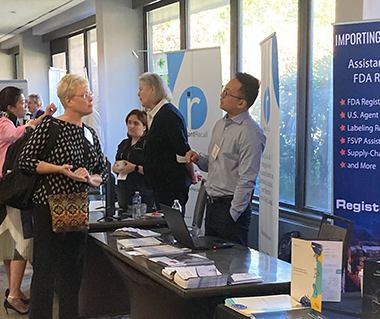
Exhibit Hall FSC 22

About the Food Safety Consortium: ​Organized by Food Safety Tech, the Food Safety Consortium Conference, launched in 2012, is an educational and networking event that has food safety, food integrity and food defense as the foundation of its educational content. With a unique focus on science, technology, best practices and compliance, the “Consortium” features critical thinking topics that have been developed for both industry veterans and knowledgeable newcomers.


FSC Logo

Addressing Today’s Food Safety Challenges: Food Safety Consortium Brings Networking, Discussion and Education to New Jersey

FSC Logo

The 10th Annual Food Safety Consortium will take place in person October 19-21 in Parsippany, New Jersey. The 2022 program features panel discussions and breakout sessions that address key issues, challenges and opportunities for food safety and quality professionals.

Keynote “Leading with Science at FSIS” – Dr. Denise Eblen, Assistant Administrator, Office of Public Health Science, USDA, Food Safety & Inspection Service

The three-day consortium will open at 1:00pm on October 19. The keynote address and Q&A with Dr. Eblen of the USDA FSIS will be followed by panel discussions on the State of the Food Safety Industry, moderated by Dr. Darin Detwiler, Director of the Master of Science in the Regulatory Affairs of Food and Food Industries, Northeastern University, and Food Safety Culture: Communicating to the C-Suite, moderated by Deb Coviello, founder of Illumination Partners, followed by an opening night networking reception.

Days two and three feature panel discussions covering food safety culture, technology, supply chain and reformulation challenges and compliance concerns, as well as a presentation by Frank Yiannas, FDA Deputy Commissioner for Food Policy and Response. Attendees can join the faculty of more than 25 top-level food safety and quality professionals to discuss:

Food Safety & Quality 4.0: Data Analytics and Continuous Improvement: Jill Hoffman, Senior Director, Food Safety and Quality, B&G Foods, Gina Kramer, Director Partnerships & Learning, Center for Foodborne Illness & Prevention, OSU, and Steven Mandernach, Executive Director, AFDO

Quality & Manufacturing Efficiency: How Does Quality Show Value to the Organization? Gary Smith, Vice President of Quality Systems, Gourmet Foods and Gift Baskets, 1800FLOWERS.COM and John Butts, Founder & Principal, Food Safety By Design

Food Defense & Cybersecurity: Jason Bashura, Senior Manager, Global Defense Pepsi Co.

Diversification of Supply Chain Capacity: Trish Wester, President, Association for Food Safety Auditing Professionals, and Allison Milewski, Sr. Director, US Brand Quality, Mondelēz International

COVID-19 & Food Supply (Research Presentation): Presented by Dr. Donald Schaffner, Rutgers University and Dr. Ben Chapman, North Carolina State University

Product Reformulation Challenges: April Bishop, Senior Director Food Safety TreeHouse Foods, Peter Begg, Vice President Quality and Food Safety, Hearthside Food Solutions and Ann Marie McNamara, Vice-President Food Safety and Quality for Supply Chain, US Foods

Blending Employee Culture with Food Safety Culture: Melody Ge, FSQA Director, StarKist, Co., Mitzi Baum, CEO, STOP Foodborne Illness and Elise Forward

The Crossroads of Strategic, Tactical and Operational Planning in Food Safety Culture: Jill Stuber and Tia Glave, Co-Founders Catalyst

Biggest FSQA Challenges: Shawn Stevens, Attorney, Food Industry Counsel, Jorge Hernandez, VP, Quality Assurance, The Wendy’s Company, and Elise Forward, Founder & Principal Consultant, Forward Food Solutions

FSQA Technology: How Far is Too Far? How to properly analyze new FSQA technology before you sign the purchase order. Gary Smith, 1800FLOWERS.COM, Jorge Hernandez, The Wendy’s Company, and Peter Begg, Hearthside Food Solutions

Risk Assessment: Peter Begg, Hearthside Food Solutions, and Melanie Neumann, EVP & General Counsel, Matrix Sciences International

Audits: Blending in-person with Remote: Laurel Stoltzner, Corporate QA Manager OSI Industries, and Trish Wester, Association for Food Safety Auditing Professionals

Preparing the Next Generation of FSQA Leaders: Dr. Darin Detwiler, Northeastern University, Ann Marie McNamara, US Foods, and Dr. Don Schaffner, Rutgers University

View the full agenda.

Don’t miss out on opportunities to network with other food safety and quality professionals during the opening night reception, networking lunches and coffee breaks, and the Women in Food Safety cocktail reception on October 20.

Registration options are available for in-person and hybrid team attendance.

Event Hours

  • Wednesday, October 19: 1:00 pm – 6:30 pm (ET)
  • Thursday, October 20: 8:00 am – 7:00 pm (ET)
  • Friday, October 21: 8:00 am – 12:30 pm (ET)

Register today at foodsafetyconsortium.org.


Rena Pierami
Women in Food Safety

Be Yourself, and Be Kind

By Jacqueline Southee
No Comments
Rena Pierami

Many of us know Rena Pierami from her successful leadership role as vice president of technical services at Mérieux Nutrisciences, from which she recently retired after 45 years in the industry. During the April gathering for Women in Food Safety, Rena, now managing director of Pierami Consulting, shared with us her sage advice on how to achieve a successful career in management without compromising your personal standards or charms.

Originally from Philadelphia, Rena completed a BS in Biological Sciences from Drexel University and an MS in Food Science from Michigan State University before moving to Louisville for a position with KFC. In the 20 years she was with them, Rena made a concerted effort to gain experience in and knowledge of the many different functions and departments within the company.

Join Women in Food Safety at the Food Safety Consortium, October 19-21 in Parsippany, New Jersey

While she entered on a technical track, she ultimately moved into product development and from there into quality. While some opportunities were presented to her by the company, others she actively pursued to broaden her experience and understanding of food service and safety. Examples of these “extra-curricular” activities included a stint in strategic planning, participating in a reengineering program with external consultants and volunteering to run the United Way campaign for the KFC organization.

Expanding her knowledge base in this way allowed her to consider other career opportunities. When her job and division within KFC became redundant, she joined Silliker/ Mérieux NutriSciences. Although she had no formal business training, she was quick to learn what was needed and “how to live and die by a P&L.”

In her new position, Rena learned that she loved interacting with clients and developing relationships, which was her key focus and undoubtedly contributed to her success in growing the business.

The Golden Rules of Leadership

For those stepping into leadership positions, Rena shared the “golden rules” that she strove to follow in her career:

Do not get “hung up” on being a leader. When one takes on a leadership role, they often act based on how a leader is supposed to behave. Rena always worked hard to be herself and remain genuine. Rather than doing things that you think you are supposed to do as a leader, be yourself and exhibit the integrity and trust that a leader needs to get people to follow. In other words, Be You!

Be a good listener, and hear from everyone. The adage, “Everyone knows something that you don’t, and everyone is worth listening to,” is true, said Rena. A leader must listen, remain objective and retain confidentiality. If you can do this, people will remember you and trust you.

Keep current. In order to get ahead, you first need to stay up to date. Read daily updates and smart briefs to remain updated and share information with others if you think it would help them or be of interest to them.

Know your weaknesses, and use tools to help mitigate them. In her position, Rena had to keep abreast of huge amounts of information and a continuous flow of new contacts. She took copious notes and would annotate her contact list so that she would remember particular things about individuals when she next met them.

Compliment the people surrounding you. This makes others feel better about themselves and about you. Say something kind, always smile, and if you are having a tough time know that tomorrow will be a better day.

It is OK to get nervous. Learn to work through anxiety and self-doubt. Sometimes that anxiety peaks your performance, and do not be afraid of a challenge or trying something new.

Network and maintain contacts in the industry. Make an effort to meet others in your field, and do not burn bridges. Rena still looks to those who helped “raise” her for advice and friendship and to those whom she has helped guide and raise. “It’s so great to see folks prosper,” she said.

Be collaborative, and never stop learning. As the world of food safety expands in breadth and complexity, Rena stressed the need for an open mind and willingness to collaborate. “Collaboration creates some great friendships, and I have just learned the term ‘co-opetition’—the process of collaborating with a competitor within your industry. This is a great philosophy. Collaborations take all sorts of paths to the benefit of all,” she said.

Find your balance. The key to achieving a good work-life balance is being aware that the balancing point will change depending on your stage of life. For those with young children, it is important to develop a strong support system. It is also important to focus on maintaining your personal health throughout your career.

Resources for Current and Future Food Industry Leaders

Some of the leadership tools that Rena has found helpful in developing her career include books, especially those focused on situational leadership strategies and processes. Situational leadership refers to adapting your management style to each unique situation and adjusting your style based on your team members’ individuality, personalities, work styles and behaviors. Some of her favorite titles include:

  • “Strengths Finder 2.0” by Tom Rath
  • “Lean In” by Sheryl Sandberg
  • “SPIN selling” by Neil Rackham
  • “The One Minute Manager” by Ken Blanchard and Spencer Johnson

Rena also cites social media, particularly LinkedIn, as a valuable tool that helps her stay connected and learn from others.

After an enlightening and inspiring discussion, Rena summarized her key takeaways for success in leadership:

  • Be yourself and be genuine with others
  • Be both a mentor and a mentee, and know this is a continuous cycle
  • Be open and collaborative
  • Learn about your industry and never stop learning. It helps you exude confidence.


Vanessa Lindstrom, United Airlines
Women in Food Safety

The Power of Communication

By Melody Ge
No Comments
Vanessa Lindstrom, United Airlines

As the global director of food safety and regulatory compliance at United Airlines, Vanessa Lindstrom is responsible for catering and lounges worldwide. When I first met Vanessa, I was impressed by her immediate confidence and positivity. During the conversation, she talked about the power of being positive, especially in today’s world and with the job functions we serve, and the importance of being resilient.

Vanessa was born and raised in Mumbai, India. She spent the first half of her career in the pharmaceutical industry and the second half in the food industry. The first job she got after earning her master’s degree was a management trainee position with a pharmaceutical company in the quality assurance department in India. From there, Vanessa moved to Australia and got a quality assurance position with a German multi-national pharmaceutical company. She always thought she would stay in the pharmaceutical industry—until she received a call from a headhunter for a position with Coca-Cola. The company gave her so many opportunities to learn and brought her to the United States to develop FSSC 22000 for a facility in California. Following this position, Vanessa had an opportunity to work for Ghirardelli Chocolate Company, where she was exposed to EU culture before she joined United Airlines.

Certainly, there were so many decisions and experiences gained with each opportunity. Vanessa’s advice is to believe in yourself and your capabilities, and to be willing to take risks. Nothing ventured, nothing gained. The phrase might sound easy, but it can be hard to execute.

Melody Ge: How would you describe the values that support your success and drive you through all the changes and decisions involved in working with different cultures?

Vanessa Lindstrom, United Airlines
Vanessa Lindstrom, global director of food safety and regulatory compliance at United Airlines

Vanessa Lindstrom: I would say being open minded, having a willingness to learn and staying authentic. No matter who you meet, you can’t be guarded. Keeping your mind open helps when meeting with different groups of people who have different cultural backgrounds, and having a willingness to learn will help you become part of the group. I always try to bring my authentic self to every situation, regardless of whom I am meeting. Let me use my first job as management trainee as an example: Typically, you are only trained for one or two functions; but I was always curious and got my hands into everything that I could, and I asked lots of questions. I was like a sponge, and I learned so much, from materials management to supply chain to operations to quality assurance. Although it was a one-year training program with no guarantee of any permanent positions with the company, I ended up spending six years there working as a technical services executive after completing the training program. Those experiences set the foundation for my career. When I moved to Australia, I had no idea about pharmaceutical companies and locations when I first arrived. So I opened the yellow pages and hand wrote more than 100 cover letters to get a potential interview and job opportunity. The lesson there is to always try, because you don’t know where life will lead you.

On the other hand, use logic and science to do the right thing, which also has been my approach in working with different companies and countries. You must trust your judgment, no matter the situation. Be able to articulate to every audience—from the CEO to the shop floor employee. You have to be logical in your thoughts, use data and facts, and be able to talk to people in a way that is relatable versus fully technical. Each person is motivated and driven in a different way. It’s not a cookie-cutter approach or a one-size-fits-all. The challenge as a leader is to figure out what’s going to work and support the team with what they need.

Ge: Looking back at your career, would you say your path was planned?

Lindstrom: No, never—despite the fact that I keep telling my kids that they need to have a plan for the future. As I reflect on those conversations, I know, no matter what plan or vision I had for myself in terms of a career, I couldn’t have dreamed up where I am today. When an opportunity comes to you, oftentimes, it is when you are unprepared. You have to be open minded to the possibilities. Sometimes, you are going into an area that is uncharted territory, but you should have the confidence that you can figure it out, and from there success will come.

Ge: Can you share a story from your career that still has an impact on you today?

Lindstrom: For me, the most impactful story that I can tell is from when I was the QA manager at one of the Coca-Cola facilities in 2008. We received word from corporate that we would not be able to supply products to Walmart unless we had GFSI certification. At first, I thought, what is GFSI? I started learning and working with different departments on which scheme we should be certified. We chose FSSC 22000 because our existing system was ISO based. My biggest concern was the culture, in particular, the challenges that come with document control. So, I decided to move everything to digital. Of course, it was difficult, as the workforce consisted of multiple generations and diverse cultures. It was quite an effort to convince and explain to everyone that digital was the direction we should go. Everyone was challenging me to justify the decision to go digital and achieve certification within 12 months. Other than saying they would keep their job, I didn’t have a way to motivate the frontline team and get their buy in. So, I went to my management and asked for $50,000 in funding for a big party to celebrate if we eventually got the certification. Management approved, and I conveyed it to the team—that I needed their help and support to get the facility certified, and that afterward, they would get a party that they wouldn’t forget. After strong teamwork, we passed the audit. We went out for a big celebration and I can’t express how excited everyone was. We shut down production entirely and took everyone to Dave & Buster’s. Every single employee enjoyed the celebration. We gave them t-shirts that said we are FSSC 22000 certified. They were proud and rewarded for the accomplishment. It was a satisfying moment for the team and management. We went from having nothing in place to achieving FSSC 22000 certification and actually being a leading facility among the 67 Coca-Cola facilities.

Ge: What is your advice to young professionals who are just starting their career?

Lindstrom: My advice to young people is, you can’t just run away when there is an obstacle, and constantly change jobs to avoid difficulties. The bad boss, bad teammates, or the issues you have at your first job—they will exist in every single job afterward if you don’t learn how to overcome them or work through the difficulties. The only control that you have is to get over them yourself. If you run away, as soon as you encounter any issues or challenges, I can guarantee you those issues will be with you with any jobs you have because you are not learning how to communicate and deal with that situation.

Ge: What is your opinion on unconscious bias, and do you see any progress? Any suggestions related to diversity, equity and inclusion (DEI)?

Lindstrom: I first heard about unconscious bias about 15 years ago. It was very interesting to become aware of the bias that exists. However, it’s very easy to choose to be a victim and say, everyone is against me because I am an Asian; or because I am a woman; or the entire environment is against me because they are biased. Being aware that bias exists, you need to know that you can’t use it as a crutch in your career. In today’s world, at United Airlines, diversity, equity, and inclusion are not just buzz words; the company is making a very deliberate effort to address it through different approaches within the company or through the broader community. On one hand, when an organization becomes aware of the DEI, you have to make sure that you are self-aware in terms of how you are dealing with different cultures, age groups, genders and different religions, etc. Take time to understand DEI and unconscious bias, talk to leaders that have experience with DEI and work through any situation, and do not immediately blame unconscious bias.

Ge: What advice can you offer to professionals who feel they are being treated unfairly?

Lindstrom: Communication is the key. In some cultures, communication is direct, whereas in others, it is not. Be aware of how you are going to proceed. Position power in today’s world is long gone, and it is in the past. It’s more about networking within your company and being able to influence others. For example, if I know I am going into a meeting that is going to be tough, I make sure that I have prepared well. Fundamentally, people all want to do the right thing, but they just don’t always know the right way to get there. They might have done something for a long time, and it takes time to change perspectives. Take the time to explain your self and the “why”, and that will go a long way.

Melanie Neumann, Neumann Risk Services
Women in Food Safety

Being an Ambassador for Science and Food Safety: Seek Out, Don’t Sit Back

By Melanie Neumann, JD, MS
No Comments
Melanie Neumann, Neumann Risk Services

A key focus of Women in Food Safety is to highlight female leaders in various food safety career paths. This month we have the privilege to speak with Jennifer McEntire, Ph.D., SVP of Food Safety & Technology at the United Fresh Produce Association, who has a storied career combining hard-core science with policy development that is risk-based, science-based and pragmatic to implement.

As many know, I am a lawyer. With that, I feel compelled to disclose the following disclaimer: I have worked alongside Jennifer as a business and industry colleague, and I consider her one of the most impressive, influential yet humble people I have ever met. Given my first-hand knowledge of her professional and personal contributions and unquestionable character, our conversation quickly dove deep into candid discussions about her career path, focusing on her passion for policy and seeing trade associations as a vehicle and a collective voice to influence and shape policy. Jennifer’s insights on being female in our industry are truly enlightening. See for yourself.

Melanie Neumann: Can you please summarize your career path to your position today, or what I like to consider your “path to produce?”

SVP, Food Safety, United Fresh Product Association
Jennifer McEntire, Senior Vice President, Food Safety and Technology, United Fresh Produce Association

Jennifer McEntire: I grew up in Long Island, which is not exactly the epi-center of agriculture. I liked science but didn’t want to be a doctor. At the time the University of Delaware looked through all the postcards (yes, I’m dating myself!) of kids interested in science and sent packets of information about the food science program. It was the best thing that could have happened to me! It was a small program; there were only four people in my graduating class; so I really couldn’t fly under the radar. I am the first person in my family to go to a university and I had no idea what graduate school was. Tons of people took me under their wing. I was able to do food safety research as an undergrad, which allowed me to jumpstart my graduate education. I truly had no plan to get a Ph.D. I wanted to work! But during my freshman year of college my biology professor nonchalantly mentioned that graduate students in sciences get paid to go to graduate school. I was like, WHAT?!? It was a no brainer. The more I got involved with the food science clubs at UD and at Rutgers (where I got my Ph.D.) and the more I networked with professionals at regional meetings of the Institute of Food Technologists (IFT), the more I learned about the breadth of career options. I knew I didn’t want to be an academic so I didn’t do a post doc. (That said, I love mentoring, training and professional development, and have been lucky to weave it into every job I’ve had). I liked the product development side but thought I might get bored in one company. Although I am an introvert, I like hearing different perspectives and meeting very different kinds of people. Once I saw the nexus of disciplines and perspectives in Washington D.C., I was hooked. Although I’ve always worked in the general food safety arena, at IFT, The Acheson Group, GMA, and now at United Fresh, each role has been vastly different and I keep realizing how much there is to learn.

Neumann: Much of your career centers around trade associations. Why did you choose this sector over others in the food industry?

McEntire: Trade associations provide me with a vehicle to fulfill my goal of being an “Ambassador for Science.” I was fortunate to have a rare opportunity as USDA National Needs Fellowship at Rutgers, which allowed me to work for both FDA and a trade association, the National Food Processors Association (NFPA), towards the end of my Ph.D. program. I quickly fell in love with the buzz of D.C. and realized this is where the action is—the intersection of science, law, policy and the power of networking. I accepted a permanent position with IFT in their D.C. office after graduation to continue my quest to learn more about the inner workings of D.C. as well as provide IFT with an even greater voice based on science. I’ve now been in D.C. over 20 years. I understand why it turns some people off, but I love it. I’m constantly meeting new people and really love being a conduit between the industry, the regulators, policy makers and others.

Neumann: From the start it seems like you were fortunate that you were able to start your career at the strategic level, or “forest”. What advice would you give someone who perhaps had a more typical start in a technical role, or “trees”, and wants to gain strategic roles in the industry?

McEntire: From the get-go at IFT I was pulling together expert panels, meaning I was constantly around experts, which was exhilarating for someone in her 20s. But I realize that’s atypical. Part of what I love about working in associations is the ability to connect people. Those are opportunities exist at every level. “Seek out, don’t sit back.” This advice applies equally personally and professionally. If you want to understand how your current technical role supports your food safety strategic plan or corporate strategy, seek out who you believe can answer your question and ask. If you have a suggestion to improve your role or an aspect of your food safety program, speak up. If you would really like a mentor but no one has assigned you one, seek them out. What worked for me early in my career and what still does today is that I study people. I may be at a conference listening to a presenter, and I will ask myself “what do I like about their style of communication?” or “What about them is capturing my attention enough to listen to them?” Adopting certain aspects you like, (or dislike and want to be sure you avoid doing!), and adapting your style to incorporate them is a great way to professionally evolve. This said, don’t lose yourself or your own style by impersonating or assimilating too much of others’ ways. What sets you up for success is designing an approach that leverages your personal strengths and is unique to “you”.

A key message from my perspective is not to sit back and wait for the career you want. Rather, my advice is to proactively seek out opportunities, answers to questions and relationships with others in your company and/or in the food industry that you believe you would benefit from interacting.

Neumann: Have you experienced challenges in being a female in this space?

McEntire: Subtle challenges, sure. In my case I feel it was more my age than my gender that I needed to overcome. But specific to gender, my biggest perceived challenge was the pressure I placed on myself. These self-imposed challenges were expectations I put on myself in part due to societal expectations or roles I thought I needed to play as a mother, partner, community member and as a professional. I expected to perform at 100% at all times in every role, and over time realized that isn’t sustainable, or even sane, to expect of yourself!

As a younger professional I knew that I had hurdles to overcome when I walked into a room (sometimes I still feel that way). What I learned over time is how the power of data helps in situations where, real or perceived, I felt that my audience wasn’t tuning in to me as much as others in the room. That is when I became even closer friends with data and gave thought about how to construct and communicate my key points. I learned that with sound facts based on sound science to support my position, I was the most informed person on that topic in the room, and my ability to successfully negotiate and convince the other stakeholders increased considerably. This was especially true when I tied the data to tell a compelling story. The most effective, influential professionals I have encountered, some I consider my mentors, are master storytellers—relying on facts when presenting their case in a way that tells a story.

Neumann: Do you have any additional insights or advice to share with women in food safety regardless of where they are at in their career journey?

McEntire: If you love what you do, and you do it well, be bold and be brave. So many people, male and female, saw a potential in me I wasn’t even aware of, and they made serious investments in me. I find that in the field of food safety, that’s pretty common. We are a friendly bunch! So reach out and start talking to people. You’ll be amazed how many people will chat with you at a meeting or return your email.

One thing that concerns me, and I don’t yet have enough anecdotal data to tell if younger women are more prone to this than their male counterparts, is this expectation that they have to know their full career path from the time they are 18 years old. They seem to put a lot of pressure on themselves to “have it all figured out”. As someone who is “Type A” and very much a planner, I can confidently say that no part of my career has been planned. I never ever could have predicted that I would wind up where I am today. I maintained an openness to new opportunities, listened a lot, and considered new information that became available. I did my best to not burn bridges, while at the same time sticking up for myself and for others. Food safety is hard. It takes a thick skin and at this point in my life I have to say that having a network of women food safety colleagues as a support system makes some of the more stressful days much easier.

Check out the Women in Food Safety column to learn about more female leaders like Jennifer. Join the conversation on For Women in Food Safety on LinkedIn.