

Under the draft policy, the FDA does not intend to enforce any of the requirements of the Food Traceability Rule for RFEs and restaurants whose average monetary value of food sold or provided during the previous three-year period is greater than $250,000 but not more than $1million, adjusted for inflation using 2020 as the baseline year for calculating the adjustment.

The 2026 FDA Food Code differs from the 2022 edition by tightening allergen enforcement, expanding record keeping rules, and adding modern safety science for chemical additives and managerial oversight.
Here we propose a dual scoreboard, comprised of leading and lagging statistics taken from actual operations and the system’s output — as expressed through recall and outbreak incidents. The work is the first application of the concepts on top of a tier approach to supplier risk employed throughout a multi-supplier grocery distribution system and presented as a launch pad for further industry and regulatory comment.
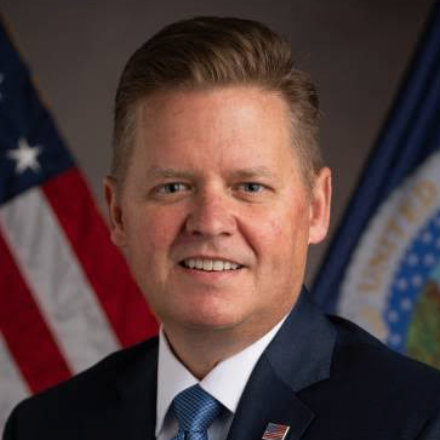
Dr. Justin Ransom, administrator of the U.S. Department of Agriculture’s (USDA) Food Safety and Inspection Service (FSIS) will present at this year’s Food Safety Consortium Conference October 21-23 in Washington DC along side, Dr. Donald A. Prater, Acting Deputy Commissioner for Food, FDA.

The term, Normalization of Deviance has since become standard vocabulary in aviation safety, nuclear safety, and patient safety literature, precisely because the pattern keeps recurring: a known risk, documented, unresolved, tolerated because the bad outcome hasn’t happened yet… until the day it does.
The final guidance reflects public comments received on the October 2018 draft guidance and replaces the 2008 FDA fresh-cut produce guidance. This guidance represents the agency’s current thinking on the issues related to preventing contamination in fresh cut produce. FDA’s guidance documents, including this guidance, do not establish legally enforceable responsibilities. Instead, guidance documents describe the agency’s current thinking on a topic and should be viewed only as recommendations, unless specific regulatory or statutory requirements are cited. The use of the word should in FDA guidance means that something is suggested or recommended but not specifically required.

Coast Citrus Distributors is voluntarily recalling fresh jalapeños due to potential Salmonella contamination, Taylor Fresh Foods is recalling finished products containing jalapeños subject to this recall according to a notification on FDA’s website.

HHS proposed a rule requiring manufacturers to notify the FDA when concluding that the use of a substance added to human or animal food is GRAS and, alongside the USDA, submitted for final review the federal government’s first proposed definition of ultra-processed foods (UPFs). Critics complain that while the GRAS rule would require manufacturers to notify the FDA when they determine a new food substance is GRAS, manufacturers would still self-determine that safety conclusion themselves. Substances introduced into the market before the regulations go into effect, would be eligible for a separate, time-limited streamlined submission pathway.
FDA posted the company’s announcement on their website. The company said during a routine review, a small sliver of aluminum was discovered in the baking pan used to prepare six of its products.
The FDA is implementing a major reorganization plan called “Simple Reform” on October 1, 2026, which shifts field inspectors from specialized product roles back to generalist investigators and centralizes administrative functions. The food and beverage industry should expect a shift in audit dynamics, meaning audits will likely focus less on highly specific, niche technical processes and more on foundational, broad-spectrum quality systems. Dr. Stephen Ostroff and Frank Yiannas, both former Deputy Commissioners at FDA offer their opinions on Simple Reform.