
Two key food safety advisory committees have been terminated—the U.S. Department of Agriculture’s (USDA’s) National Advisory Committee on Microbiological Criteria for Foods (NACMCF) and National Advisory Committee on Meat and Poultry Inspection (NACMPI).
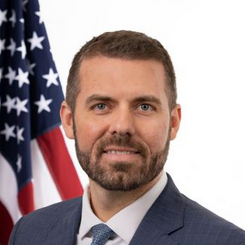
Florida attorney Kyle Diamantas had focused his practice on civil litigation and regulatory compliance, with an emphasis on FDA, FTC, and state equivalent regulatory and compliance issues and disputes. He replaces Jim Jones, who resigned on February 17, 2025

FDA employees overseeing food ingredients received calls and emails notifying them that their recent terminations had been “rescinded effective immediately,”
“Unfortunately, the Agency finds that you are not fit for continued employment because your ability, knowledge and skills do not fit the Agency’s current needs, and your performance has not been adequate to justify further employment at the Agency,” said the letters.
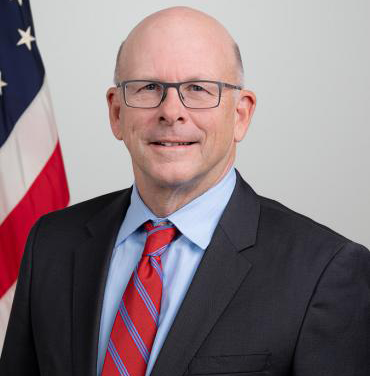
The head of the food division at FDA quit in protest over staff cuts that he warns will hamper the agency’s ability to protect public health.
The Consumer Brands Association, which represents makers of ultraprocessed foods, issued a pointed statement, reminding Mr. Kennedy that they are the nation’s largest manufacturing employer, and that they would like to see aspects of the status quo remain in place.
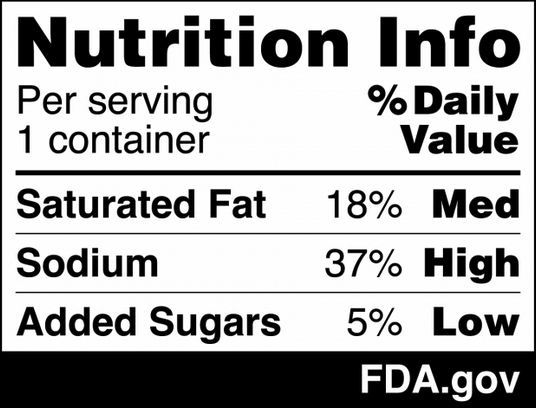
Labeling of food and dietary supplements in the United States involve several aspects and each must be approached with careful consideration. Regulatory, scientific, and business decisions need to be considered when working on labels’ mandatory elements and claims. The FDA released in December 2024 and January 2025 a few new proposed and final rules on several issues that will impact food and dietary supplement labeling.
Robert F. Kennedy Jr. battled his way through his second Senate confirmation hearing today but the Senate hearings focused Mr. Kennedy’s views on vaccination and did not touch on his food and agriculture ideas and plans. Kennedy is on record saying the public health establishment is too focused on infectious diseases and wants to redirect resources toward issues he characterizes as the chronic disease epidemic, including obesity, diabetes, autism and mental illnesses. He blames them on corporations including food companies for producing highly processed, non-nutritious food using harmful pesticides and additives.

Eskin, a respected leader in food safety, most recently at the U.S. Department of Agriculture (USDA), has a long track record of food safety advocacy. Throughout her career, Eskin has worked on a broad range of food safety, consumer protection, and public policy issues.
These programs perform a majority of food inspections reported by the FDA, including processing facility inspections, produce safety inspections, and retail food inspections.