
The FDA is implementing a major reorganization plan called “Simple Reform” on October 1, 2026, which shifts field inspectors from specialized product roles back to generalist investigators and centralizes administrative functions. The food and beverage industry should expect a shift in audit dynamics, meaning audits will likely focus less on highly specific, niche technical processes and more on foundational, broad-spectrum quality systems. Dr. Stephen Ostroff and Frank Yiannas, both former Deputy Commissioners at FDA offer their opinions on Simple Reform.

With a remarkable 30+ year career spanning laboratory microbiology, intense manufacturing plant roles, and global corporate leadership, Kelly shares the raw, honest milestones of her journey. For food safety professionals, her insights that we’ve boiled down to five tips, offer a powerful masterclass in leadership, navigating industry barriers, and owning your career path.
The sample of lettuce supplied by Taylor Farms de Mexico produced a false postive test result.

Raw food safety data is most valuable when paired with actionable insights. By replacing manual workflows with automated software, food manufacturers can unlock real-time trend analysis and identify contamination hot spots before they spread.

FDA sent a letter to the infant formula industry and their supply chain partners highlighting multiple recent public health events where risks were introduced through the supply chain and to call for increased vigilance by industry to ensure the safety of ingredients and finished infant formula products.
Fifteen years of preventive controls investment has produced a record detailed enough to answer a question most operations confront only under pressure: not whether a system performs, but whether it can carry what growth asks of it. Rising volume, added complexity, new customers, and shifting requirements all impact the same structure, and they reveal whether the structure was built to absorb them, or whether people have been absorbing the difference on its behalf. This five-part series examines food safety through the business realities leaders already navigate: profitability, risk, growth, brand trust, and organizational function.

Many food manufacturers treat supplier verification as a filing exercise collect the certificate of analysis, confirm it’s in spec, move on. This article argues that approach satisfies neither FSMA’s supply-chain program nor the scrutiny of a recall. It explains what 21 CFR Part 117 Subpart G actually requires (risk-based verification scaled to hazard severity), why a COA is an assertion rather than proof of safety, and how to build a verification program independent testing, representative sampling, and documented reasoning that matches the hazard rather than just collecting paperwork.
On June 15, 2026 The FDA held a public meeting to give the public an opportunity to share information on continued implementation of the Food Traceability Rule and areas of remaining concern, specifically as they relate to lot-level tracking and flexibilities for compliance
FDA announced a list of guidance topics includes possible new topics for guidance documents or revisions to existing guidance documents that the FDA’s Human Foods Program is considering, including Food Chemical Safety, Dietary Supplements, and Innovation and Microbiological Food Safety.
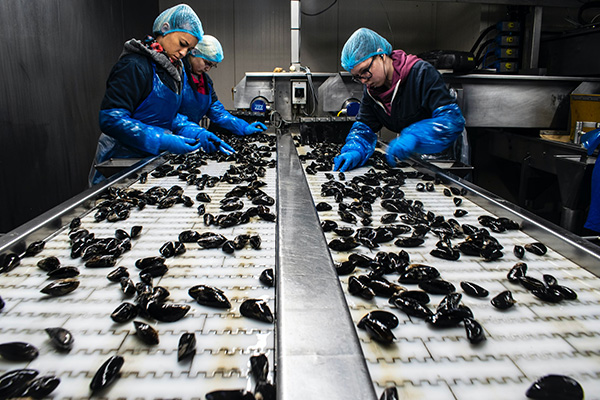
Growth, continuous improvement, and increased throughput should never come at the expense of robust food safety practices. Instead, food safety programs must evolve alongside manufacturing operations to ensure both objectives advance together. The challenge arises when operational excellence begins to outpace the food safety systems designed to protect both consumers and brands.