FDA Logo

FDA To Host Virtual Meeting on Data and Tech in New Era of Smarter Food Safety

By Food Safety Tech Staff
No Comments
FDA Logo

The FDA is hosting a one-day virtual public meeting on “Data and Technology in the New Era of Smarter Food Safety” on April 24, 2024, from 10:00 am – 4:00 pm EDT. The meeting is designed to help the agency improve its understanding of how regulators and industry can leverage data and technology to exponentially advance food safety and achieve better health outcomes.

The morning session of the public meeting will consist of presentations from FDA to explain the agency’s current thinking on the potential for new, innovative or different data and technology activities that could be leveraged by both government and industry to exponentially advance food safety. The afternoon session will be reserved for public comments to provide an opportunity for stakeholders to share feedback on how and where advances in data and technology can be leveraged to significantly accelerate FDA’s ability to improve public health outcomes. Beginning on April 24, 2024, a Regulations.gov docket will open for 60 days to collect comments related to the event topic.

Topics for consideration during the public meeting include:

  • Tech-enabled traceability
  • Predictive analytics
  • Data sharing
  • Whole genome sequencing (i.e., GenomeTrakr)
  • Ways to use technology to monitor and gather data

Technological innovation in equipment design, digital tools, and training methods

The FDA will also welcome feedback on new and emerging areas of innovation (e.g., use of virtual reality in food safety training) that were not addressed in the initial New Era of Smarter Food Safety Blueprint.

Feedback received from this meeting, as well as comments submitted to the accompanying docket, will help the FDA prioritize its activities within the New Era of Smarter Food Safety framework and shape further stakeholder engagement opportunities.

There is no cost to attend the virtual public meeting, but registration is required. Participants who wish to speak during the afternoon public comment session must register as indicated on the meeting page.
 

Lettuce

Irrigation Water as a Tool To Reduce Pathogen Contamination

By Food Safety Tech Staff
No Comments
Lettuce

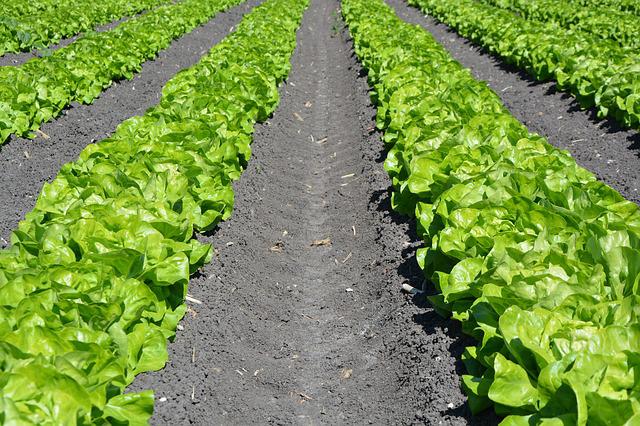
A new study is taking a different look at irrigation water. Rather than investigating the water as a potential source of contamination, Channah Rock, Ph.D., with the University of Arizona, is examining irrigation water’s role in reducing potential pathogens. The data collected will be used to create a quantitative microbial risk assessment (QMRA) to gauge potential pathogens risks from treated water applied preharvest. “We’re really trying to capture new data that hasn’t been shared,” said Rock.

For the CPS-funded study, “Microbiological risk assessment using QMRA in preharvest agriculture water treatment systems for leafy greens,” Rock is working with co-investigators Charles Gerba, Ph.D., and Kerry Cooper, Ph.D., both with the University of Arizona, and Kerry Hamilton, Ph.D., with Arizona State University.

The researchers are using a non-pathogenic strain of E. coli as a surrogate, and inoculating plant tissue and soil with known microbial populations. After applying irrigation water treated with common sanitizers, such as peroxyacetic acid (PAA) or calcium hypochlorite, they sample plants and soil periodically to determine pathogen die-off over time. The work is being conducted in commercial-scale university fields of spinach and Romaine lettuce.

Based on preliminary data, Rock said they found irrigation water treatment does offer a potential spill-over benefit. “What we’re seeing is water treatment does, in fact, reduce bacteria on plant tissue, leaf surfaces and the soil,” she said. “But it seems to be very dependent on how that contamination entered the field.”

Because irrigation water sanitizer concentrations may not be consistent, the researchers also wanted to measure treatment variability or “breakthrough” in commercial produce fields. To achieve this, they combined traditional water grab-sampling techniques with real-time in-line sanitizer monitoring.

Based on this work, the researchers found that most of the breakthroughs occurred during irrigation sanitizer start-up and stabilization. They plan to conduct additional sampling to determine the full range of variability. In addition, they want to document critical time periods and durations of variability that may result in loss of efficacy due to reduced sanitizer residuals.


Vulto Creamery Cheese

Vulto Creamery Owner Pleads Guilty in Connection with Raw Milk Listeria Outbreak

By Food Safety Tech Staff
No Comments
Vulto Creamery Cheese

Johannes Vulto, a former raw milk cheese manufacturer and his company, Vulto Creamery LLC, pleaded guilty to charges related to cheese that was linked to a 2016-2017 outbreak of listeriosis, the U.S. Department of Justic announced earlier this month.

Vulto and Vulto Creamery LLC, each pleaded guilty to one misdemeanor count of causing the introduction of adulterated food into interstate commerce. Vulto oversaw operations at Vulto Creamery manufacturing facility in Walton, New York, including those relating to sanitation and environmental monitoring. In pleading guilty, Vulto and Vulto Creamery admitted that between December 2014 and March 2017, they caused the shipment in interstate commerce of adulterated cheese.

According to the plea agreement, environmental swabs taken at the Vulto Creamery facility between approximately July 2014 and February 2017 repeatedly tested positive for Listeria species. In March 2017, after the FDA linked Vulto Creamery’s cheese to an outbreak of listeriosis, Vulto shut down the Vulto Creamery facility and issued a partial recall that was expanded to a full recall within weeks. According to the CDC, the listeriosis outbreak resulted in eight hospitalizations and two deaths.

During a 2017 FDA inspection of the facility, the inspector noted that in the 20 months from 7/28/2014 through 2/19/ 2017, the facility’s records revealed that 54 out of 198 swabs taken from throughout the facility tested positive for Listeria spp. The report also cited several potential causes of the contamination including: storage of sanitized wood boards used to age cheese in the facility attic, where they were exposed to insulation, debris and moisture; failure to maintain building, fixtures and other physical facilities in a sanitary condition; and employees putting their bare hands and arms, up to their elbows, directly into the cheese making vat to manually break up cheese curds. “Although you washed your hands, neither of you washed your lower or upper arms,” the inspector wrote.

“It is crucial that American consumers be able to trust that the foods they buy are safe to eat,” said Principal Deputy Assistant Attorney General Brian Boynton, head of the Justice Department’s Civil Division. “The department will continue to work with its law enforcement partners to hold responsible food manufacturers that sell dangerously contaminated products.”

Vulto faces a maximum sentence of up to one year in prison, a term of supervised release up to one year and a fine up to $250,000. Sentencing is scheduled for July 9, 2024.


Trophy

SQFI Announces 2024 Excellence Awards Recipients 

Trophy

 EAGLE Certification Group’s Brad Rush and Vital Farm’s Robert Clark are the recipients of the 2024 SQF Excellence Awards, presented by the Safe Quality Food Institute (SQFI), a division of FMI – The Food Industry Association. The winners were announced this week at the 2024 SQF Unites conference in New Orleans. Rush was recognized with the Excellence in SQF Auditing Award while Clark received the Excellence in SQF Practitioner Leadership Award.

Excellence in Auditing

The Excellence in SQF Auditing award is presented to a credentialed SQF auditor who demonstrates exceptional performance and dedication to the SQF program through high-quality audits, professional development activities, leadership and mentorship skills, and promotion of food safety culture.

Brad Rush
Brad Rush of EAGLE Certification Group

In honoring Rush, SQF stated that as lead auditor for EAGLE Certification Group, Rush stands out as a gold standard in auditing within the SQF program, embodying a rare blend of specialized knowledge, unwavering dedication, and genuine passion for fostering industry-wide advancement.

“Brad is passionate about cultivating the skills of emerging auditors and imparting knowledge about food safety and the auditing profession,” said Jessica Osborne, chief program officer at EAGLE Certification Group. “His exceptional expertise naturally positions him as a mentor to newcomers in the field.”

Excellence in Practitioner Leadership

The award for Excellence in SQF Practitioner Leadership is given to an SQF practitioner within an SQF-certified site who demonstrates extraordinary leadership and promotion of food safety at their workplace.

Robert Clark
Robert Clark of Vital Farms

Clark is a quality assurance manager who leads a 21-person food safety and quality assurance team at Egg Central Station, Vital Farm’s egg washing and packing facility. He spearheads his team and delivers a variety of food safety, quality assurance, and continuous improvement projects and training throughout the year to ensure robustness in the SQF program.

“Robert is truly a trailblazer for food safety culture, and it is evident to everybody who has the joy of working with and for him,” said Liang Bennett, senior manager, co-manufacturing quality at Vital Farms. “His ability to engage his audience and get them to understand the reasoning behind why we have to follow food safety protocols and rules is fascinating to watch.”


Ground cinnamon

FDA Highlights Steps Taken to Ensure Safety of Cinnamon Products

By Food Safety Tech Staff
No Comments
Ground cinnamon

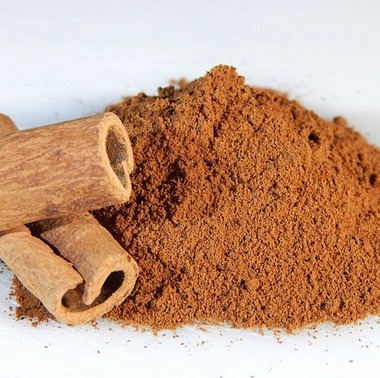
The FDA has announced several additional steps it is taking to address concerns about elevated lead levels. Last week, the agency sent a letter to all cinnamon manufacturers, processors, distributors and facility operators in the U.S., reminding them of the requirement to implement controls to prevent contamination from potential chemical hazards in food, including ground cinnamon products. The agency is also recommending the voluntary recall of certain ground cinnamon products (see below) sold by a number of brands at six different retail chains that were found to contain elevated levels of lead.

The FDA is advising consumers to throw away and not to buy the ground cinnamon products with the lot codes listed below because samples of these products were found to contain elevated levels of lead as it is works with the firms listed to voluntarily recall the products, with the exception of the MTCI cinnamon. The FDA has been unable to reach MTCI to share its findings and request that the company initiate a recall.

Ground Cinnamon Distributor Ground Cinnamon Retailer(s) Ground Cinnamon Lot Code(s)
La Fiesta Food Products
La Miranda, CA
La Superior SuperMercados 25033
Marcum, Moran Foods, LLC
Saint Ann, MO
Save A Lot Best By: 10/16/25 10 DB; 04/06/25 0400B1
MTCI
Santa Fe Springs, CA
SF Supermarket No codes
SWAD, Raja Foods LLC
Skokie, IL
Patel Brothers KX21223
Best Before: July 2026
Supreme Tradition, Greenbriar International, Inc.
Chesapeake, VA
Dollar Tree
Family Dollar
Best By: 09/29/25 09E8; 04/17/25 04E11; 12/19/25 12C2; 04/12/25 04ECB12; 08/24/25 08A_ _; 04/21/25 04E5; and 2025-09-22 09E20
El Chilar
Apopka, FL
La Joya Morelense, Baltimore, MD F275EX1026; D300EX1024


The FDA emphasized that the lead levels found in the ground cinnamon products listed above are significantly lower than lead levels in cinnamon in the recalled apple sauce pouches removed from the market this past fall. The products currently recommended for recall contain lead levels ranging from 2.03 to 3.4 parts per million (ppm) lead. This is approximately 2,000 ppm to nearly 5,000 ppm lower than the levels of lead associated with the cinnamon in recalled apple puree and apple sauce products. Therefore, these ground cinnamon products do not pose the same level of risk to human health as the apple sauce pouches but could be unsafe for prolonged use.

“Today’s actions serve as a signal to industry that more needs to be done to prevent elevated levels of contaminants from entering our food supply,” said Deputy Commissioner for Human Foods Jim Jones. “Food growers, manufacturers, importers, and retailers share a responsibility for ensuring the safety of the foods that reach store shelves. The levels of lead we found in some ground cinnamon products are too high and we must do better to protect those most vulnerable to the negative health outcomes of exposure to elevated levels of lead.”

The FDA reminds manufacturers, processors, distributors, and facility operators to follow the requirements of the rule Current Good Manufacturing Practice, Hazard Analysis, and Risk-Based Preventive Controls for Human Food, including the requirement to consider chemical hazards that may be present in foods when conducting hazard analyses required by this rule. While the agency continues to emphasize the importance of the cinnamon industry’s responsibility to take measures to prevent potential chemical hazards in its products, the letter to industry and recent recalls highlight how the FDA will request the removal of unsafe cinnamon products from the market.

As part of its Closer to Zero initiative, the FDA continues to pursue additional authorities from Congress to require manufacturers to test ingredients or final products marketed for consumption by infants and young children for contaminants before products enter the U.S. market. Under current federal law, there is no explicit requirement for manufacturers to conduct such testing. The President’s FY2024 Budget contains legislative proposals to explicitly require industry to conduct this testing, maintain testing results for FDA inspection and provide the FDA remote access to test results.


FDA Logo

FDA Issues Final Guidance on New Dietary Ingredient Notification Procedures

By Food Safety Tech Staff
No Comments
FDA Logo

On March 5, the FDA issued the final guidance “Dietary Supplements: New Dietary Ingredient Notification Procedures and Timeframes: Guidance for Industry.”

Under section 413(a)(2) of the Federal Food, Drug, and Cosmetic Act (FD&C Act) (21 U.S.C. 350b(a)(2)), the manufacturer or distributor of a new dietary ingredient (NDI) that has not been present in the food supply as an article used for food, or of a dietary supplement that contains the NDI, must submit a premarket safety notification to FDA at least 75 days before introducing the product into interstate commerce. The new guidance is intended to help manufacturers and distributors of NDIs and dietary supplements prepare and submit new dietary ingredient notifications (NDINs) to the FDA.

The guidance provides information about the NDIN submission and review process in a Q&A format. Topics include:

  • Who needs to submit an NDIN?
  • How should the information be organized and presented?
  • Where should an NDIN be submitted?
  • What happens after an NDIN is submitted?

Download the final guidance here.

Terry Levee, McLane

Terry Levee Joins McLane Company

By Food Safety Tech Staff
No Comments
Terry Levee, McLane

Terry Levee is the new senior director of food safety and quality assurance at McLane Company. Levee brings more than 35 years of experience in food safety, quality assurance and regulatory affairs to the position. He most recently served as senior director of food safety and regulatory compliance for Giant Eagle. In his new position, Levee will lead McLane’s food safety team and support the company’s newest retail foodservice endeavor, McLane Fresh, as well as its established restaurant distribution business.

“Terry’s appointment reinforces our continued focus on upholding the highest standards in food safety. We look forward to Terry’s leadership carrying forward and further enhancing our food safety practices, ensuring our retail and restaurant partners receive the best-in-class service they have come to expect from McLane,” said Larry Parsons, chief administrative officer, McLane.

Levee is replacing Sam Richardson, who plans to retire after 48 years with the company. Mike Rose and Michelle Viverette have been promoted to director, food safety and senior manager, food safety, respectively.

Image: Terry Levee

Woman holding hamburger

PFAS Used in Grease-Proofing Agents for Food Packaging No Longer Being Sold in the U.S.

By Food Safety Tech Staff
No Comments
Woman holding hamburger

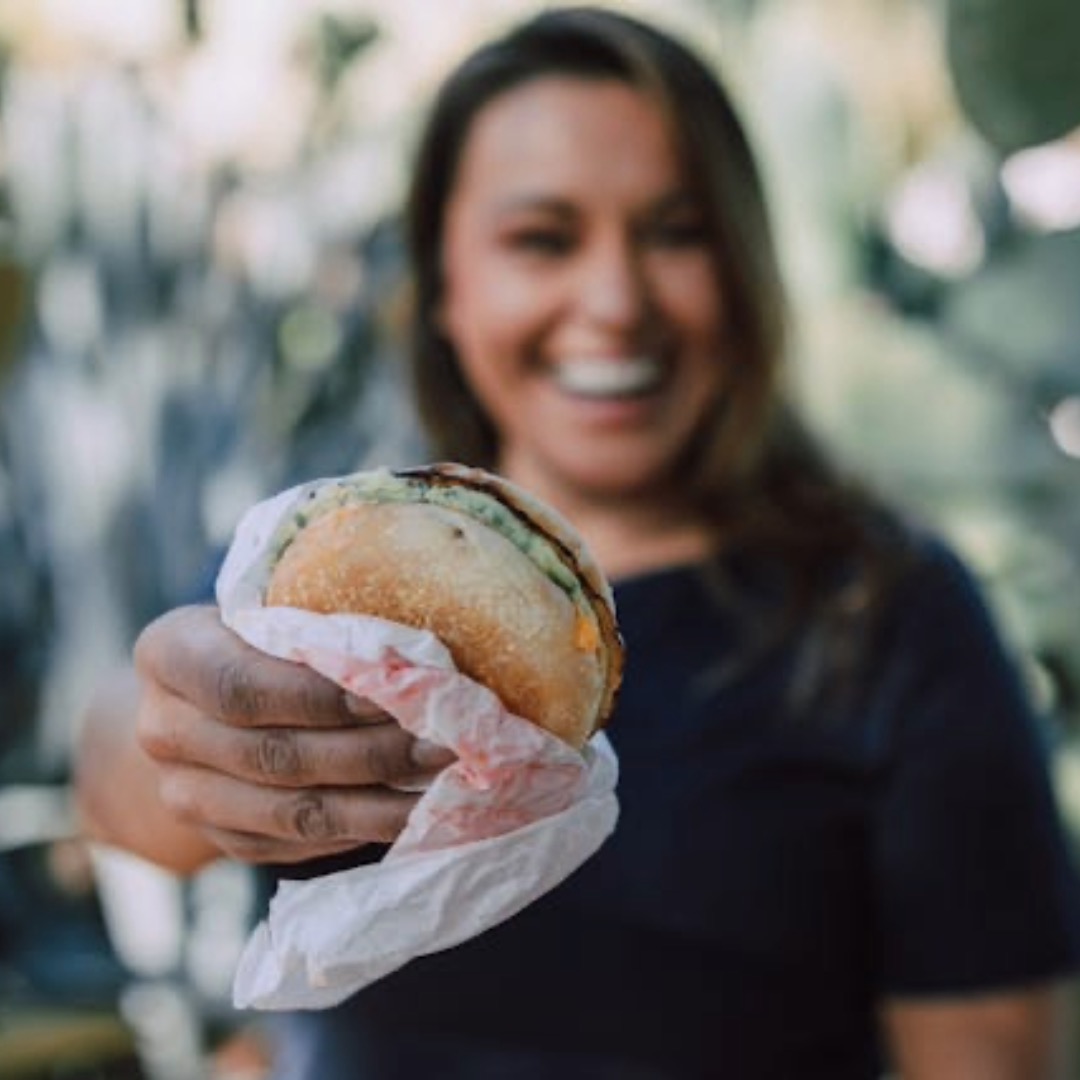
Food packaging is now safer for consumers thanks to the elimination of one of the key dietary sources of Per and Polyfluoroalkyl Substances (PFAS) exposure. On February 28, the FDA announced that grease-proofing substances containing PFAS are no longer being sold by manufacturers for food contact use in the U.S. market following the completion of the voluntary market phase-out of these substances used on food packaging paper and paperboard. These substances represent the primary source of dietary exposure to PFAS from authorized food contact uses.

In 2020, the FDA obtained commitments from manufacturers to cease sales of food contact products containing certain grease-proofing substances that contain certain types of PFAS. In addition, the FDA has confirmed that other manufacturers have voluntarily stopped sales of other food contact substances (which contain different types of PFAS) intended for use as grease-proofing agents in the U.S.

The grease-proofing substances, used to prevent the leaking of grease and oil and for their water-resistant properties, were applied to fast-food wrappers, microwave popcorn bags, take-out paperboard containers, pet food bags, as well as other similar types of packaging.

While the original commitment letters received by the FDA from the manufacturers stated that the phase out could take 18 months to exhaust the market supply from the last date of sale, most of the companies exited the market prior to their original phase-out date. In addition, the FDA is working towards a validated analytical method that would allow the agency to monitor the market for these food contact substances in food packaging.

USDA Logo

USDA FSIS Releases 2023 Foodborne Illness Outbreak Report

By Food Safety Tech Staff
No Comments
USDA Logo

The USDA Food Safety and Inspection Services (FSIS) has released a summary of outbreaks investigated during FY 2023.

In 2023, FSIS investigated six outbreaks in coordination with local, state, and federal public health partners. These outbreaks involved more than 100 illnesses and 30 hospitalizations. The Centers for Disease Control and Prevention (CDC) notified FSIS of five (83%) of these outbreaks. FSIS became aware of the sixth outbreak by notification from a state public health agency. Five (83%) outbreaks involved illnesses in more than one state.

Of the six outbreaks investigated by FSIS in FY 2023, three were caused by Salmonella (serotypes Newport, Saintpaul, and Typhimurium) and two by STEC (serogroup O157:H7). The sixth investigation involved a report of botulism that included commercially canned potted meat (containing chicken and pork) as a potential source. FSIS’ investigation of the establishment where the canned potted meat was produced, and laboratory testing of similar cans, did not determine that the canned potted meat was the source of the illness. The illness was later determined to not be associated with a food source.

Beef products, including beef ground and packaged at retail stores, were the food product of interest for the five Salmonella and STEC outbreaks investigated in FY 2023. The 2023 outbreak investigations did not lead to any recalls of FSIS-regulated products or public health alerts (PHAs).

FDA Logo

FDA Issues Guidance on Premarket Engagement for Foods Derived from Genome-Edited Plants

By Food Safety Tech Staff
No Comments
FDA Logo

The FDA has issued a new guidance for industry that describes how firms can voluntarily engage with the FDA before marketing food from genome-edited plants. The guidance reaffirms that the risk-based approach the FDA has taken for foods derived from new plant varieties also applies to foods from genome-edited plants. In addition, the guidance describes two processes through which companies may voluntarily inform the FDA of the steps they have taken to ensure the safety of foods from their genome-edited plant varieties. These include voluntary premarket consultations and voluntary premarket meetings. These processes are designed to help ease the pathway to market for foods from genome-edited plants, while keeping FDA safeguards in place.

The voluntary premarket meeting pathway is recommended for developers to inform the agency of their foods when a voluntary premarket consultation is not warranted based on the food’s risk-based characteristics. The agency expects this voluntary premarket meeting pathway to take less time than a voluntary premarket consultation. The FDA continues to suggest voluntary premarket consultations for foods that have certain risk-based characteristics, which are described in the guidance and include:

  • Modifications to endogenous genes that create significant homology to a known allergen that is relevant to human health or a toxin that is relevant to human or animal health.
  • Modifications that cause a non-negligible increase in levels of potentially harmful components, including toxicants, allergens, anti-nutrients, and other components that can exhibit non-nutritive physiological effects on humans or animals.
  • Modifications that cause a non-negligible change in the nutritional value (level of nutrient and/or bioavailability) of the food.
  • Modifications that result in the food containing, at a nutritionally meaningful level, a nutrient found at negligible levels in food from its traditional counterpart.
  • Modifications that result in nutritionally meaningful reductions to the levels of nutrients.
  • Modifications that result in increases to the levels of nutrients such that a safety concern may be raised.
  • Modifications that introduce nutrients to the food that are limited by regulation in similarly used foods.
  • Modifications intended to change the fatty acid profile of the food.
  • Modifications expected to affect the bioavailability of nutrients in the food.

A key purpose of the new guidance is to clarify how FDA’s policy statement “Statement of Policy: Foods Derived from New Plant Varieties” (NPV policy) applies to foods derived from new plant varieties produced using genome editing. The NPV policy provides scientific and regulatory guidance on foods from new plant varieties and lays out broad, risk-based principles for ensuring the safety of foods from new plant varieties. The guidance explains that the principles outlined in the NPV policy apply to foods from genome-edited plant varieties.

The guidance also reminds developers of new plant varieties of their obligations under section 403(w) of the Federal Food, Drug, and Cosmetic Act (FD&C Act), which was enacted after the issuance of the NPV policy.

Download the Guidance here.