

Tag Archives: Focus Article

Jim Hammel, vice president, customer success at Sample6
In the Food Lab

Using Software for Environmental Tracking and Data Visibility

By Jim Hammel
No Comments
Jim Hammel, vice president, customer success at Sample6

There is growing evidence that a strong environmental program is critical to identifying potential issues before they threaten product. This data must be captured regularly based on a robust environmental sampling plan and then analyzed in order to take advantage of the results. However, without the proper tools, this is challenging, time consuming and ineffective.

How Software Strengthens a Sampling Program

The most critical component of an environmental sampling plan is zone coverage. Many sampling plans exclude zone 1, direct food contact, because this implicates the finished product and may lead to a test-and-hold situation. However, at minimum, zones 2-4 should be covered in a sampling plan. In addition, it is important to randomize test points and schedules. Sanitation crews are held to rigorous standards, but it is human nature to complete repetitive tasks in the same manner. By randomizing which test points are tested—by day, time and operator—quality teams are more likely to identify potential areas of concern. Randomization is a challenging task to complete manually but a routine task for software.
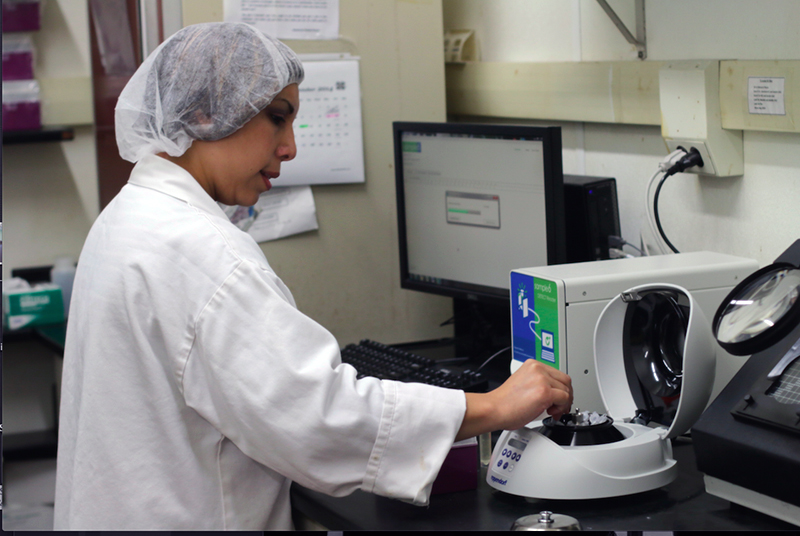
Using Software for Environmental Tracking and Data Visibility
Using software enables environmental tracking and provides and data visibility. Image courtesy of Dietz & Watson

In addition, ensuring test-point coverage is a key component to sampling plans. An interval for test-point coverage is typically included in environmental sampling plans. It is up to quality teams to ensure that their sampling programs are consistent with these business rules. When this is tracked in an Excel spreadsheet, randomization is typically sacrificed to ensure test-point coverage. This is tracked in a large table with dates on one axis and test points on the other. The challenges to this approach include randomization, analysis and management of more than one test-point coverage interval. Business rules of this nature can be easily managed through software algorithms. In fact, the task of creating a schedule according to a series of business rules is not unlike a macro.

Lastly, robust sampling programs include detailed remediation and response plans in the event of a positive or presumed positive test result. The details on these plans are reviewed internally to ensure that the issues have been adequately addressed. Documentation that each step has been completed in a timely manner is absolutely essential in today’s regulated food production environment. Remediation records may be requested in a government or supplier food safety audit. Emails, meeting notes, pictures and cleaning records can certainly be kept in file drawers, but the more accessible this information is, the more likely it will be used. Approval processes and business workflows have been automated in a variety of software tools. Everything from sales to expense reports has sought support from software to ensure that their workflows are executed consistently and with traceability. Software can support food safety efforts in this way as well.

Dos and Don’ts of Data Analysis

The next challenge in environmental monitoring is the volume of data generated and the tools required for effective analysis. A robust environmental sampling program for Listeria can range from 10 to 15 samples per week per line—often much more. Each test result includes metadata such as sample location, day and time, sample collector and result. In a plant with 10 lines, there are 150 test results per week, or 7,800 test results per year. When compiling results for the past three years, the numbers reach nearly a quarter of million just for pathogen testing. Routine testing such as yeast, mold and Enterobacteriaceae should also be considered in the analysis. The sheer volume of the data can be challenging in a spreadsheet but routine in a database.

Don’t rely on unmanageable spreadsheets. Analysis should look for trends in the data as well as compliance to the program. Completing this task in spreadsheets requires that the data be properly formatted. Further, the database-like structure that would enable analysis is often inconsistent with the table format used for sample schedule generation. In addition, this task is time consuming, manual and error prone; therefore, the frequency of analysis may be reduced.

Don’t take an analog approach to floor plans and risk it being outdated. Particularly for environmental data, it is important to understand the proximity of test points and their results. This allows managers to look for patterns or workflow trends that may be impacting results. This task typically requires mapping the test points and their results to a floor plan. Many plants keep a copy of the floor plan and recent findings posted on the wall.

Do use the tools available. In today’s data-rich food production environment, successful data analysis must be automated.

Answering the Call for Communication

Lastly, for an environmental monitoring program to be effective, communication is critical. The members of the quality team need to know what specific tasks are expected of each of them and when. Sanitation workers need to know what areas require their timely response. Executives need visibility into the results and actions underway so that they can support their teams and make critical food safety decisions. While these tasks can be completed manually, it is ripe for automation and new tools are streamlining the communication process.

Food safety managers and quality teams are working diligently with their sanitation teams to keep their plants and product safe.  However, they need to leverage the available tools needed to do their jobs efficiently and effectively. New software tools designed for the food safety industry are changing the way the industry handles safety initiatives. In particular, sampling program, data analysis and communication tools are ripe for automation. Take advantage of technologies and tools already in use in business today so you are prepared to manage the food safety challenges of tomorrow.


Robin Stombler, Auburn Health Strategies
In the Food Lab

Five Questions Food Facilities Should Ask About Testing

By Robin Stombler
No Comments
Robin Stombler, Auburn Health Strategies

The FDA issued the first of several final regulations aimed at modernizing the food safety system through the use of hazard analysis and risk-based preventive controls. Inherent in this system are a number of requirements that eligible food facilities must follow, such as developing a written food safety plan, monitoring, corrective actions and verification. Laboratory testing is an essential component as well.

Robin Stombler presented “Laboratory Oversight and FSMA: Why and When” at the Food Labs Conference in Atlanta, GA | March 7–8, 2016So, what should food facilities know about laboratory testing within the context of the preventive controls for human food final rule?  First and foremost, the final rule states, “facilities have a responsibility to choose testing laboratories that will produce reliable and accurate test results.”  While a future regulation is expected to address the need for accredited laboratories and model laboratory standards, the preventive controls rule adopts other requirements pertaining to testing. Here are five questions that food facilities should ask about testing and the preventive controls rule.

1. What is the difference between pathogens and microorganisms?

The final rule defines “pathogen” to mean a microorganism that is of public health significance. A microorganism is defined as “yeasts, molds, bacteria, viruses, protozoa and microscopic parasites, and includes species that are pathogens.” Microorganisms that are of public health significance and subject food to decomposition or indicate that the food is adulterated or is contaminated with filth are considered “undesirable.”

2. How must food facilities account for pathogens?

Food facilities must prepare and implement a written food safety plan. One component of the food safety plan must include a written hazard analysis. This analysis must identify known or reasonably foreseeable hazards. These hazards may be biological, which includes parasites, environmental pathogens and other pathogens.

In another example, the food safety plan must include written verification procedures. This is to demonstrate that the facility is verifying that its preventive controls are implemented consistently and are significantly minimizing or preventing the hazards. These verification procedures are intended to be appropriate to the particular food facility, the food in question, and the nature of the preventive control and its role within the facility’s food safety system. With this in mind, facilities must conduct activities such as product testing for a pathogen or an appropriate indicator organism or other hazard, and environmental monitoring.

3. Are there written procedures specific to product testing?

Yes. Procedures for product testing must be scientifically valid and must identify the test microorganisms or other analytes. The procedures for identifying samples, including their relationship to specific lots of products, must be written and implemented. The procedures for sampling, including the number of samples and the sampling frequency, must be outlined. The facility must recognize the laboratory conducting the testing as well as describe the tests that are performed and the analytical methods used. Corrective action steps must also be included.

4. What are the procedures for environmental monitoring?

Similar to product testing, these procedures must be scientifically valid, identify the test microorganisms, and be put in writing. For routine environmental monitoring, the location from which the samples are collected and the number of sites that are tested must be stated. The final rule indicates that the “number and location of sampling sites must be adequate to determine whether preventive controls are effective.”  Written procedures must also identify the timing and frequency for collecting and testing samples. Again, similar to product testing, the laboratory conducting the testing and the tests and analytical methods used must be divulged. Corrective action procedures must also be included.

5. How does the supply-chain program incorporate testing?

A receiving facility is required to document a written supply chain program in its records. A component of that program includes documentation of sampling and testing performed as a supplier verification activity. The documentation must include identification of the raw material or other ingredient (including, if appropriate, lot number) and the number of samples tested. It also means that the tests conducted and the analytical methods used must be identified. The date the test is conducted as well as the date of the test report must be provided, and the identity of the laboratory performing the testing must be revealed. Any corrective actions that were taken in response to a hazard detection must also be reported.

This Q&A provides a glimpse into how the preventive controls final rule for human food incorporates laboratory testing. For more details, access the final rule.

FST Soapbox

Risk in Our Supply Chain: Where Do We Start?

By Traci Slowinski
No Comments

FSMA has arrived with the launch of the first two preventive control rules – Current Good Manufacturing Practice and Hazard Analysis and Risk-Based Preventive Controls for Human and Animal Food (or cGMP and HARPC, for short). With these new FSMA rules, the food and beverage industry will now be held accountable for being more proactive versus reactive, and will be responsible for identifying and managing risk throughout their supply chain. Of course, this emphasis on risk can also be seen in other sectors of the industry (i.e., GFSI and ISO), and risk has become the focal point for a number of compliance initiatives.

Supply chain challenges in food safety
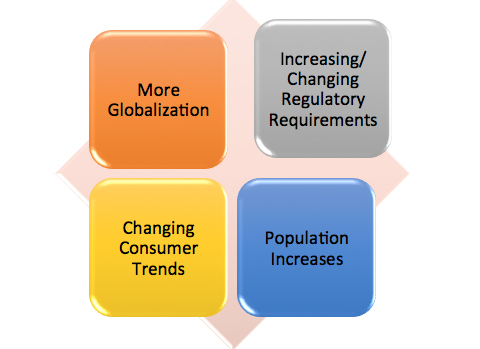
Supply chain challenges in food safety (Click to enlarge)

These days a number of supply chain challenges are driving risk. Continued global expansion of the industry is resulting in more import and export activities. We are seeing consumer food trends shift toward riskier food/preparation options. Regulatory agencies continue to work on improving their food safety requirements. And the growing population is putting more demands on our current resources. All of these factors equates to great risk within all stages of the supply chain.

Therefore, it will be important that you understand what risk management entails and have the right tools to identify, assess and control the risks that you find throughout your supply chain.

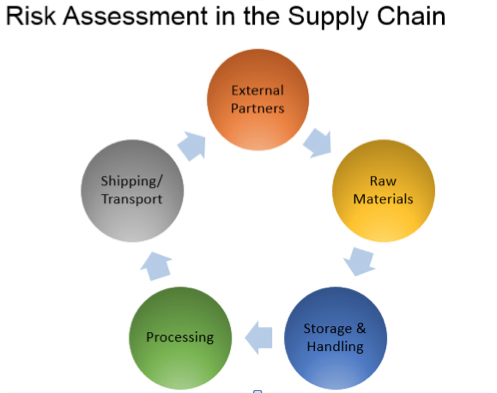
So where do we start looking for risk? Here are a few examples of where your risk assessments should be performed:

External Partners. You need to build strategic relationships with your external partners (suppliers, contract manufacturers/co-packers, service providers, carriers, etc.) across the supply chain. Building trust through good communication and collaboration is essential to ensure that you can rely on your partners to do the right thing for both parties.

RiskAssessmentSupplyChainRaw Materials. Many hazards can be introduced into a facility through raw materials—whether we are talking about raw ingredients, packaging materials, chemicals, or other components used to produce your product. Some hazards to assess include pathogens, allergens, chemical residues, pests and foreign material.

Storage and Handling. When looking at risk during storage and handling, it is important to address several hazards including allergen control, temperature control, foreign material control, proper segregation and product flow.

Processing. A number of areas in processing can introduce hazards and therefore should be included in your risk assessment. These include improper sanitation, cross contamination/contact potential, foreign material contamination, critical control point deviations, pre-requisite program failures and mislabeling.

Shipping and Transport. Lastly, you must safeguard your shipping and transportation procedures in order to account for any potential risk once the product has left your facility. Areas to consider during your risk assessment include temperature control, condition and sanitation of truck and storage units, loading/unloading practices, security/tampering potential, accident/emergency recovery, and traceability.

For more information on risk management within the food and beverage supply chain, register to attend the free webinar “Supply Chain Management: Does What I Eat Put Me at Risk” on October 28, 2015. Speakers will discuss risk throughout the supply chain, focusing on supplier management and some of the new FSMA requirements. They will provide an overview of risk management and some of the tools that can be used to identify and assess risk. In addition, they will discuss how technology can help companies meet FSMA requirements.
AJ McCardell, Food safety technology
In the Food Lab

New Food Safety Technology Addresses FSMA Rules

By AJ McCardell
1 Comment
AJ McCardell, Food safety technology

In ongoing efforts to eliminate foodborne illness, the FDA recently issued the next step in rules designed for the enforcement of FSMA. The rules are aimed at modernizing food manufacturing processes after a wave of deadly outbreaks in the past decade stemming from contaminated cantaloupes, apples, spinach, lettuce, peanut butter, ice cream, cucumbers and other products. The rules require companies to draw up and implement written plans for keeping food safe. An important part of any food safety plan is the implementation of methods to verify that the controls put in place are working.

The food industry faces many challenges in meeting these new regulations. Two significant technical challenges for control verification are that the testing process takes too long and the sampling plans are often inadequate.

The pathogen testing process for all commercially available diagnostic tests requires an upfront culture or growth step to allow any pathogens present to multiply to a level that they can be detected by the test in use. This growth step, referred to by microbiologists as enrichment, is especially challenging in heavily processed foods and environmental samples, because the bacteria present in the sample have been stressed and are not in a rapid growth phase at the time of sampling. Advances in diagnostic sensitivity and robustness have reduced the amount of time required for enrichment from three or more days with traditional methods to about 24 hours on average with rapid methods. Even with rapidly growing and low-stress organisms such as E. coli O157:H7, enrichments take more than eight hours before implementing the diagnostic. The time required for this growth step creates a bottleneck in the production and distribution process. Although diagnostic companies are continuously improving the sensitivity of their methods and new methods are constantly being developed, there are practical limitations that have thus far prevented the elimination of the upfront culture step prior to testing. Historically, improvements in the sensitivity of rapid food pathogen diagnostics have been traded for time. In other words, having a more sensitive test means that fewer bacteria are needed for detection and therefore, less time is needed for bacteria to divide during the enrichment step.  Some commercially available assays require as few as 1,000 to 10,000 target cells in the sample for detection. Since the purpose of the enrichment step is to increase the number of target pathogens in the sample to a detectable limit and bacteria reproduce by cell division, further diagnostic sensitivity improvements would need to be greater than ten-fold to have a significant impact on further reducing enrichment times.

Unreliable sampling methods are an even bigger issue for industry. An example demonstrating current practice is a field of 40,000 heads of lettuce with four (.01% of the total) heads of lettuce contaminated by a pathogen. The current best practice is to go into the field and collect 60 (.15% of the total) leaves from the heads of lettuce, mash them together and test them for contamination. The probability of this sampling method finding the four contaminated heads of lettuce in the sample is much less than 1%. When the undiscovered four heads of lettuce are washed with the other 39,996 heads of lettuce, cross contamination occurs and people get sick.

Technology advances that reduce or eliminate the requirement for enrichment and make the sampling process more reliable could have a big impact on improving control verification testing. But, those advances need to be delivered in a practical and affordable manner. I recently learned about a technology that has great potential to make improvements on both of these fronts, especially for the produce industry and any process that is able to use a wash step as a control point. The recently patented OmniFresh sampling system (developed by OmniFresh, LLC) concentrates a sample from the food processing wash water, allowing immediate testing representative of the food being processed. The concentration process is performed during the entire washing cycle for a lot and is consequently representative of the entire lot.

Concentration technology has been used for many years by academic researchers and scientists to collect samples for biological testing.  Ultrafiltration methods for concentrating samples have typically used smaller sample sizes in the 1-10 liter range.  The OmniFresh system allows for very large samples to be concentrated, typical volumes of 400 liters are concentrated to 50 ml.

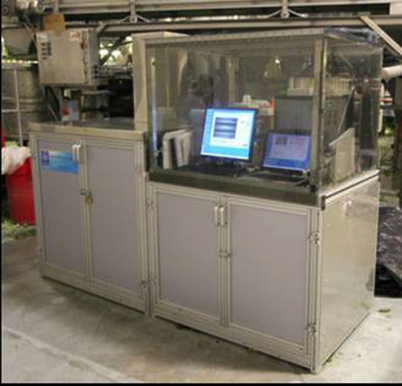
The concentration process takes about one hour to complete after the first wash cycle.  During processing, a side stream of water from the first wash tank is diverted to the concentrator unit. Tens to hundreds of gallons of wash water, depending on the size of the wash tank and the type and amount of produce being washed, flows into the concentrator. Throughout the sample collection period, large particulates are removed through a course filtration. Using ultra-filtration, bacteria and other small particles are isolated from the large volume of wash water into a much smaller, concentrated final sample. This concentrated sample can then be tested directly by a diagnostic test, eliminating the need for enrichment.1

OmniFresh System with diagnostic platform
The OmniFresh System with diagnostic platform installed at a processing facility. (Click to enlarge)

The wash water in the tank comes into contact with all of the produce being washed, the majority of bacteria is removed from the produce, and it then enters the wash water.2-4 This process, combined with the continuous sampling of wash water, means that low levels of intermittent contamination can be detected without testing high numbers of samples. Field testing of the OmniFresh System has returned promising results. The ability to rapidly screen produce for contamination could also provide a practical lot definition instead of cumbersome field-based definitions that can impact multiple processors.

Improvements in sample preparation and sampling technologies have much to offer the industry. Improved sampling methods which are representative of entire lots identify contaminated food earlier and with high confidence.  Additionally, the negative test result is of much higher quality and will result in an increase in the overall confidence of the food supply.

The OmniFresh technology is one example of the type of improvements that are needed. More research that focuses on these most challenging aspects of control verification testing is needed.

References

  1. Dyer, M.A. (2009). “New biosensors for food safety screening solutions.”  SPIE.
  2. Beuchat, L. R., and Ryu, J.-H. (1997). “Produce Processing Practices,” Emerg. Infect. Dis 3 (4), 459-465.
  3. Sapers, G. M, (2001). “Efficacy of washing and sanitizing methods for disinfection of fresh fruit and vegetable products,” Food Technol. Biotechnol. 39 (4), 305-311.
  4. U.S. Food and Drug Administration. (1998). “Water: Control of Potential Hazards: Wash Water.” Chap. II.B.2.3 in Guide to minimize microbial food safety hazards for fresh fruits and vegetables, by US FDA.
Deirdre Schlunegger, CEO of STOP Foodborne Illness
Food Safety Culture Club

2015 Food Safety Heroes Announced

By Deirdre Schlunegger
No Comments
Deirdre Schlunegger, CEO of STOP Foodborne Illness

Many of you are committed to doing everything possible to prevent people from becoming ill or dying from foodborne illness, and you whole-heartedly embrace a strong food safety culture. On November 17, 2015, STOP Foodborne Illness is pleased to be hosting Food Safety Heroes, an interactive fundraising event sponsored by Chemstar Corp. and Food Safety Tech.

We are excited that Food Safety Heroes will take place during, and in conjunction with, the Food Safety Consortium Conference, which is a summit meeting for Food Safety and Quality Assurance (FSQA) industry experts and government officials. In our eyes, every guest coming to this event is a food safety hero! Each day these people contribute to the overall health of our nation, and we couldn’t be more proud to be working alongside such outstanding men and women. To be a part of efforts to increase public awareness and collaboratively seek solutions is a great honor for us.

In addition to raising much-needed funds for the important, life-saving work of STOP Foodborne Illness, we also have the great pleasure of honoring two individuals who have seen the national conversation about safe food grow from its infancy, born from tragedy, to an increasingly aware industry of food safety professionals and consumers. Their efforts have been instrumental in cultivating the food safety culture that we see today.

The 2015 Food Safety Heroes award will honor:

former spokesperson for Safe Tables Our Priority and STOP Foodborne Illness
Nancy Donley

Nancy Donley, former spokesperson for Safe Tables Our Priority and STOP Foodborne Illness. Donley will be presented with the 2015 Legacy Tribute in recognition of her four-year-old son Alex, who died from an E. coli infection in 1993. From the time of her son’s death until her recent retirement from STOP, Donley has worked tirelessly to raise public awareness of foodborne illnesses by providing information and support for the millions of people who get sick from eating each year.

Frank Yiannas, vice president of food safety at Walmart Corp. A pioneering force in advancing the concept of a strong food safety culture, Yiannas is being celebrated as our 2015 Industry Advocate Hero. Going far beyond his role in overseeing the safety of the world’s largest food retailer, Yiannas is recognized for his commitment and dedication to building unique partnerships and participating in innovative approaches to food safety.

Please join us on November 17!
Food Safety Heroes
Time: 7–9 pm
Where: Renaissance Convention Center in Schaumburg, IL
Guests will enjoy cocktails and hors d’oeuvres, lively entertainment, a silent auction and more
(Follow the Food Safety Consortium link to the STOP Foodborne Illness Fundraiser)
Timothy Ahn, LRQA
FST Soapbox

Tackling the “Why” of Food Safety

By Timothy Ahn
No Comments
Timothy Ahn, LRQA

Food safety training has traditionally focused on foundational topics such as Hazard Analysis Critical Control Points (HACCP) and Good Manufacturing Practices (GMPs). While these topics are essential in defining and implementing Food Safety Prerequisite Programs, they define the What and How, but not the Why of Food Safety. In order to address the Why of Food Safety, training programs need to address food safety culture, and the role of a food safety management system in establishing that culture.

A session during the 2015 Food Safety Consortium Conference will discuss advancing food safety and harmonization through educating employees. | November 17-20, Schaumburg, IL| REGISTER NOWCreating a food safety culture needs to start at the top. It must be known that food safety is a top priority to upper management. In order for training programs to support a food safety culture, they need to be delivered in a format that enables employees to contribute to the organization’s business strategy and food safety objectives while simultaneously reinforcing employee skills, attitudes and behaviors. Studies have shown that during training, one should consider manufacturing as a whole—not bits and pieces—and that the correct and most effective approach to training should look at collective knowledge requirements rather than any single requirement. A good starting point is to understand how a well-planned management system can help bring focus on a holistic approach that transforms the culture. A company’s ability to adopt a culture of food safety is dependent on its ability to take a holistic approach to manage food safety risk and incorporate all components of a food safety culture.

The second area of focus is having an effective FSMS in place. The International Organization for Standardization (ISO) defines a system as “a set of interrelated or interactive elements” and a management system as “a system to establish policy and objectives and to achieve these objectives.”  In order for the FSMS to thrive, management must commit to the FSMS being a required way of doing things throughout the whole organization.  A food management system is most effective when it benchmarked against a proven standard and independently verified. Having an effective FSMS in place provides a vote of confidence in your organization—a statement that your organization takes safety and quality seriously and has made the right moves to help protect your brand reputation and consumers by addressing the complexity of risks, up and down your supply chain, and assuring food safety and sustainability.

By following these pragmatic guidelines your organization can raise the level of food safety around the world by creating more effective food safety solutions not only for today, but also tomorrow.

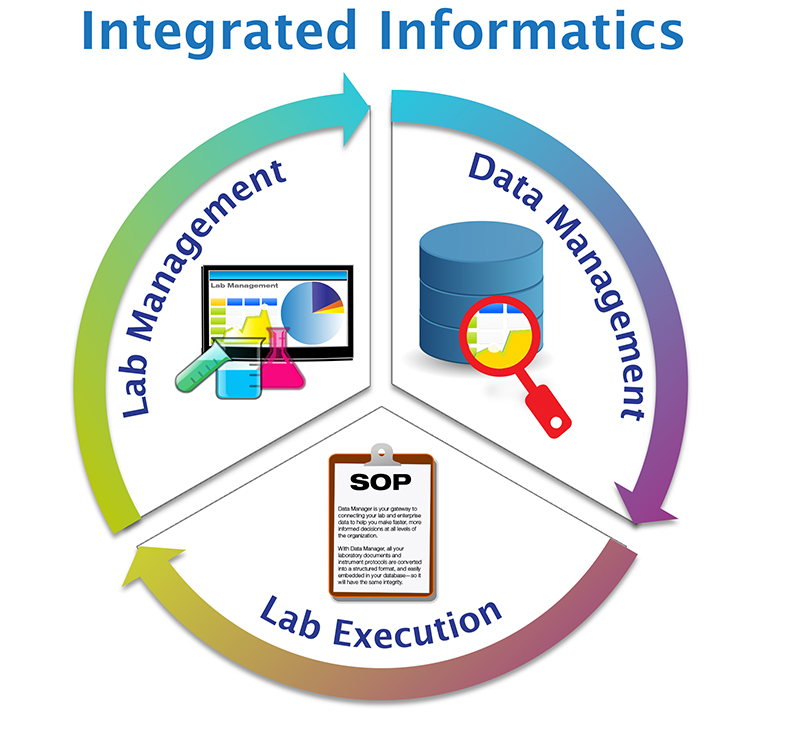
Thermo Scientific's Integrated Informatics LIMS

How Integrated Informatics Benefit Regulatory Compliance, Defensible Data, Traceability and Brand Protection

By Trish Meek
No Comments
Thermo Scientific's Integrated Informatics LIMS

To understand why an integrated informatics solution is important to manufacturers in the food and beverage industry, it helps to first consider the unique challenges this industry faces. Simply put, food production has scaled into a global business so rapidly that oversight has hardly kept pace. Even the stricter regulatory stances taken by the FDA and the European Union in the past decade are effectively catch-up efforts.

The broader food industry, which for purposes of this article will also comprise the beverage industry, has globalized quickly and, many would argue, haphazardly. It actually wasn’t that long ago that the products we purchased in our local food store were produced locally or regionally. Seasons determined selections as well—if you wanted a tomato in November, you would pay a premium for that indulgence.

Seasons and geography no longer constrain what we can buy and when. By far the world’s largest industry—with a combined revenue of more than $4 trillion, the food industry has used its massive scale to overcome historical limitations. We now take for granted that our grocery carts can be filled with fresh products that may come from thousands of miles away. And those products may have been grown, processed and shipped in multiple countries before they reach our local grocer.

The complexity and scale of this modern food supply chain is the industry’s greatest challenge and regulators’ greatest worry (on consumers’ behalf). How can growers, producers, processors, packagers, shippers and others in the global supply chain secure a food chain that’s so distributed? How can regulators ensure safety without restricting choice or inflating prices?

The Bits and “Bytes” of Food Safety

The food industry—and its regulators—would likely agree on one thing: A system this massive cannot operate on trust alone, as it once did. The grower with generations of experience on the land, for example, is now too far removed from end consumers. A finished product may contain one farmer’s product and those from five others, all from different regions worldwide.

Integrated informatics may seem like an unlikely fix for modernizing a highly distributed food chain, but it’s actually perfectly suited. An integrated informatics platform provides access to massive amounts of information in a timely fashion, dramatically improving decision-making. It does this by making information rapidly available to many stakeholders and by ensuring that it’s reliable.

Consider this example. A hypothetical lab uses an analytical instrument to detect pesticides in barley, and regulation dictates that this data be compared to allowable maximum residue limits (MRLs). If the barley sample exceeds allowable MRLs, the manufacturer must identify everywhere that ingredient is being used, quarantine it and determine who produced it. All this must happen quickly and according to strict procedures.

Procedures are critical. Not only must the lab have a process for checking against current limits for a pesticide, for example, but also that analytical information must be carefully tracked with the appropriate sample, and the method used to deliver the result must be consistent between different samples and users. Without an integrated informatics solution, adhering to these procedures, defending the quality of the data, and making it usable would be nearly impossible.

The Role of Informatics in Compliance

Gathering the bits and bytes of data, following procedures and making the data useful enterprise-wide is important, but regulatory compliance is where most industry attention is focused today. This is another area where integrated informatics provides significant benefits.

As mentioned above, food industry growth significantly outpaced regulatory oversight in the past decade. Globalization was rapid and inevitable, but so too were food safety breaches, and with progress came stories of tainted fruits, vegetables, meats, cereals, nut butters and much more. Suddenly we had a trust issue. With a food chain that’s distributed across many borders and jurisdictions, how is the public’s trust best protected and by whom?

From the Food Safety Modernization Act (FSMA) to EU Regulation No. 178/2002, we’ve seen a heightened regulatory focus, and the most common themes are traceability, authenticity and risk-based approaches. The common denominator here is food chain security.

So what does all of this mean for multinational food and beverage producers? It means having to conform to multiple regulatory requirements for each distribution market, and there are often many. And this is a data management and reporting headache. Fortunately, however, common standards such as ISO 22000 exist that enable companies to standardize their processes enterprise-wide, achieving levels of operational rigor and quality that satisfy multiple regulatory authorities at once.

So where do informatics fit into this regulatory compliance landscape? In a typical multinational food producer, a significant amount of the quality data is delivered by the laboratory. Raw materials are analysed for pesticides, herbicides, nutritional content and so on. Packaged products are monitored for shelf-life compliance. Plant hygiene is monitored using microbiological samples taken from across the facility. Records from all of these distinct, but interrelated activities are critical for demonstrating compliance.

Defending Data

The shift in recent years has been toward prevention instead of crisis response. Regulators now focus on auditing food and beverage producers to assess their practices prior to any adverse event. For companies with good systems in place, time-consuming audits will be less frequent, so it pays to have systems in place that demonstrate that data is reliable and defensible.

Audits can be daunting. The producer must prove that activities were carried out correctly, that records are properly collected and that supporting information is accurate. Auditors typically pick a starting point in a process and follow the trail. They may start by looking at the data associated with a released batch of product; perhaps quality assurance samples; follow the trail to cleaning validation, and then review individual laboratory results, including entire methods, instrument calibration, user training, etc. At each point of the audit, producers must show evidence of compliance—even the smallest details.

With an integrated informatics solution, all evidence resides in a single platform. Hierarchies and relationships within the data records are automatically recorded and retained. Everything—from relationships between lots or batches of material; the connection between methods, specifications and results; the history of an instrument configuration, maintenance and calibration; and user training records—is in one place for easy retrieval and reporting.

Having one system of record not only codifies data capture, it also helps labs create standard operating procedures (SOPs). Establishing SOPs does several important things:

  • It ensures that all lab users are following the same process—no personal preferences for carrying out a specific test.
  • It makes sure that all necessary data is collected—by enforcing a series of data entry steps, labs can prevent a method from being marked complete until everything has been entered.
  • Labs can roll out updates to their processes by updating the method for all users at the same time.

Managing lab execution activities in this way means that data is more consistent; it is being collected in the same way for all users. It is also prone to fewer errors because users move stepwise through each stage of the measurement process, and they can stop a test whenever they encounter a problem.

Achieving Traceability

Traceability, the ability to verify the history, location or application of an item using documented information, has become increasingly more important for the food industry. And traceability is closely linked to compliance and data defensibility. Fortunately, traceability is another strength of an integrated informatics solution.

In practical terms, to demonstrate traceability we must be able to go either backwards or forwards within a set of process items and understand the complicated relationships. An integrated informatics solution lets us map relationships between “child” and “parent” batches, information that can also come from integrating ERP or process or production information management (PIMS) systems. By integrating all this information, manufacturers can trace a product back through intermediate products and raw materials and then forward again to any resultant batches that may be contaminated. In other words, with an integrated informatics solution, traceability is built in.

Brand Protection

Because of its size and fragmentation, the global food and beverage industry is a target for adulteration and counterfeiting. The Grocery Manufacturers Association estimates that these activities cost the industry $10–15 billion each year.

While the risk to consumers of adulteration can be deadly, as in the case of milk solids adulterated with melamine in China, much of the impact comes in the form of trust erosion and fraud. An example is Manuka honey, a premium product with purported health benefits that commands a high price. The entry of fraudulent producers into the market affects legitimate producers by creating uncertainly about all products, depressing sales and lowering prices.

Thermo Scientific's Integrated Informatics LIMS
Having access to data from all critical points in the food production chain is the most important safeguard against product recalls and loss of revenue for food manufacturers. Having an integrated informatics solution in place provides data when it is needed for quality checks in the production process, for management metrics reporting or to adhere to regulatory requirements. (Click to enlarge)

This is only one example, but it illustrates the larger problem: Once consumer trust erodes, it’s hard to regain. As it happens, however, honey has unique chemical markers that can be used to determine whether it has been adulterated. But isolating these markers involves complex analysis, including ultra- high-performance liquid chromatography (UHPLC), and methods that are highly specific, consistent and defensible.

Consistency and defensibility are hallmarks of an integrated informatics solution. For the honey producers, an informatics solutions, such a LIMS, can automate processes so that no non-conforming product is missed, establish compliance rules and checks for instrument calibration so that results are defensible, and standardize methods through built-in laboratory execution system (LES) capability.

Conclusion

An integrated informatics solutions is designed to address multiple business needs in the food and beverage industry, from compliance and data defensibility to traceability and brand protection. The complexity and scale of the modern food supply chain demands it.

Growers, producers, processers, packagers, shippers and others in the global supply chain are now interdependent, but not necessarily integrated. The only way to protect consumers, however, is to achieve this integration through a combination of voluntary and imposed compliance. And to achieve this compliance without undue burden on the industry and imposing higher costs on consumers, we need technology that is built for integration at scale—and informatics solutions have proven they are more than capable.

Granulated sugar with dark foreign particles

Food Investigations: Microanalytical Methods Find Foreign Matter in Granular Food Products

By Mary Stellmack
No Comments
Granulated sugar with dark foreign particles

The upcoming implementation of FSMA will likely result in increased scrutiny of contaminants in food products. If the foreign matter can be identified, steps can be taken to eliminate the source of contamination and avoid future losses of product. Small foreign particles are sometimes observed in drums of bulk granular or powdered raw materials. While these foreign particles may be seen as dark specks in the product, they are often too small for standard QA/QC methods of analysis. Microanalytical techniques, however, can be used to isolate and identify the specks. This article describes a case study of dark particles in a granulated sugar sample.

Microscope Exam

Ideally, when conducting contaminant analysis, all sample manipulations take place in a cleanroom to eliminate the chance for contamination by extraneous environmental debris. This is especially important when working with small contaminant particles, which may consist of environmental debris such as metal particles, fibers and other types of dirt. If the unknown particles are identified as common environmental debris, the analyst must be certain that he or she did not introduce any debris while handling the unknown sample.

Granulated sugar with dark foreign particles
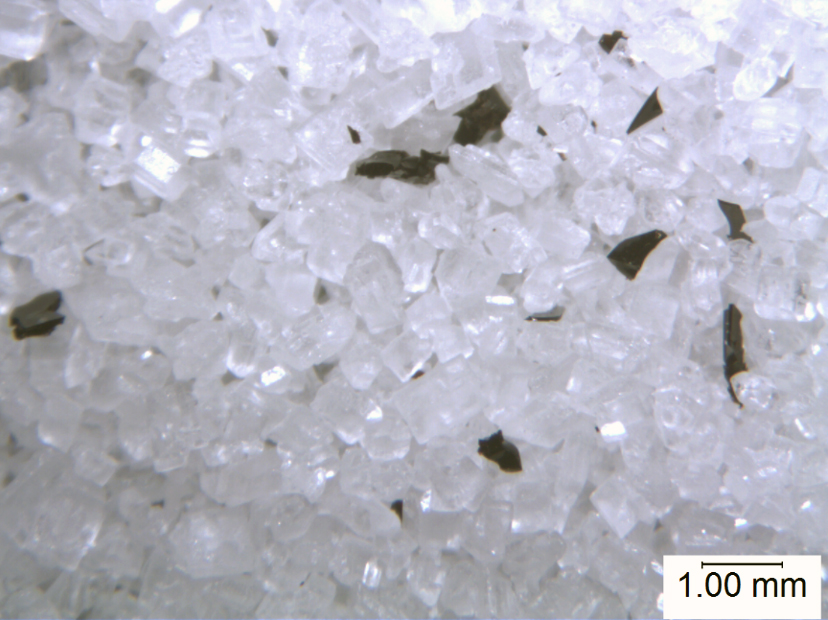
Figure 1. Granulated sugar with dark foreign particles, 13X (Click to enlarge)

The first step in the identification process involves examination of the sample under a stereomicroscope. Figure 1 is a photomicrograph of dark brown particles, less than 1 mm in size, in the sugar sample. Particles of this size must be isolated from the bulk product prior to analysis in order to correctly identify them.

Since all of the dark particles are visually similar, only a few representative particles need to be isolated. The contaminants can be isolated by removing a small glob of tacky adhesive (50 µm or smaller) from a piece of tape with the pointed tip of a fine tungsten needle. The adhesive-coated needle tip is gently touched to the surface of one of the dark particles, causing the particle to adhere to the needle, and the particle is transferred to a glass slide or other substrate for further examination.

Isolated dark foreign particles
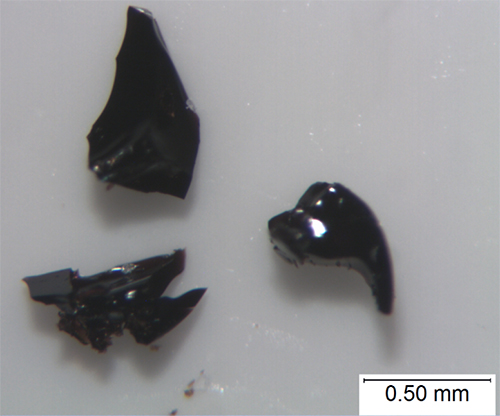
Figure 2. Isolated dark foreign particles, 63X. (Click to enlarge)

Figure 2 is a photomicrograph of three dark particles, isolated from the sugar granulation. The dark brown particles have a smooth, shiny appearance with conchoidal (shell-shaped) fracture surfaces, and are visually consistent with glass. However, when probed with the tungsten needle, the particles are found to be brittle and fragile, and this texture is not consistent with glass. Therefore, chemical analysis is needed to identify the brown particles.

Micro-FTIR Analysis to Identify Organic Components

Most organic compounds (and some inorganic materials) can be identified by Fourier transform infrared (FTIR) spectroscopy. For the analysis of small particles, a microscope is coupled with a standard FTIR system; this method of analysis is known as micro-FTIR analysis. The micro-FTIR system passes a beam of infrared radiation through the sample and records the different frequencies at which the sample absorbs the light, producing a unique infrared spectrum, which is a chemical fingerprint of the material. By comparing the spectrum of the sample with spectra of known compounds from a reference library through an automated computer search, the sample can often be identified.

In order for the FTIR analysis to work, the sample must be transparent, or thin enough to transmit light. In the case of the particles from this case study, this is achieved by applying pressure to a ~50 µm portion of the sample until it forms a thin transparent film. This film is placed on a salt crystal for micro-FTIR analysis.

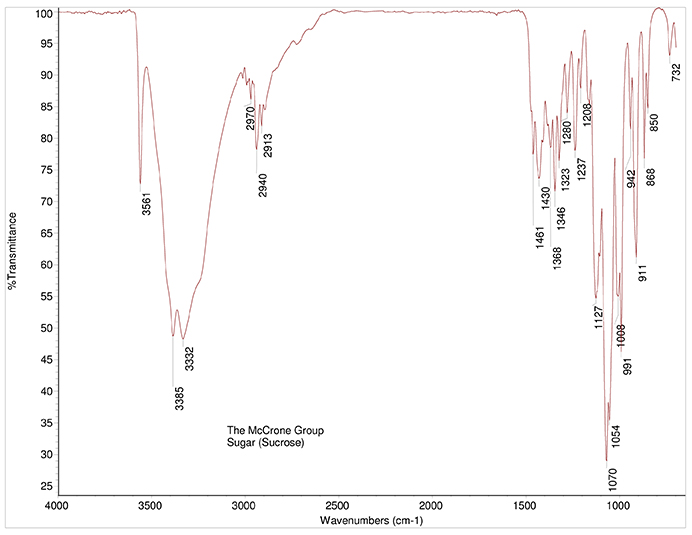
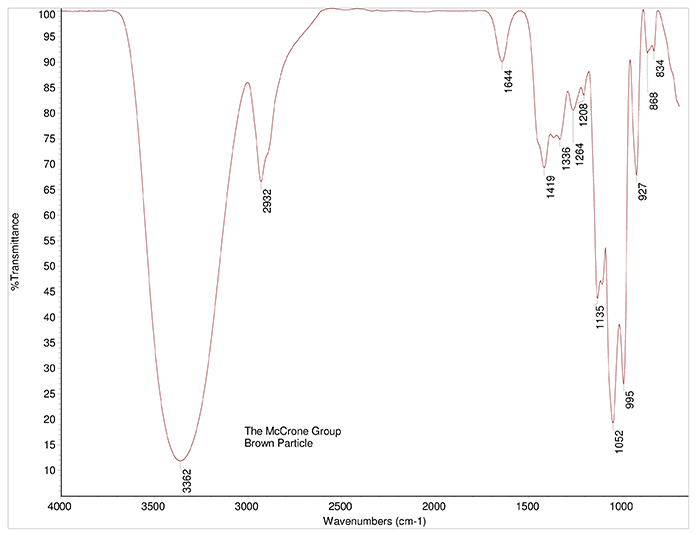
An FTIR spectrum of crystalline sugar is shown in Figure 3, and a spectrum of a brown particle is shown in Figure 4. The spectrum of the brown particle has some similarities to sugar, but there are fewer peaks, and the remaining peaks are rounded, consistent with a loss of crystallinity. The loss of crystallinity, coupled with the brown color of the particles, suggests charred sugar.

FTIR spectrum of granulated sugar
Figure 3. FTIR spectrum of granulated sugar. (Click to enlarge)

Figure 4. FTIR spectrum of a dark foreign particle, microanalysis
Figure 4. FTIR spectrum of a dark foreign particle. (Click to enlarge)

SEM/EDS to Identify Inorganic Compounds

The FTIR method does not provide complete information about the presence or absence of inorganic materials in the contaminant. To complete the analysis of the brown particles, scanning electron microscopy (SEM) combined with an energy dispersive X-ray spectrometer (EDS) detector is needed. Using the SEM/EDS method, two types of information are obtained: SEM provides images of the sample, and the EDS identifies the elements that are present.

SEM/EDS analysis of a dark foreign particle
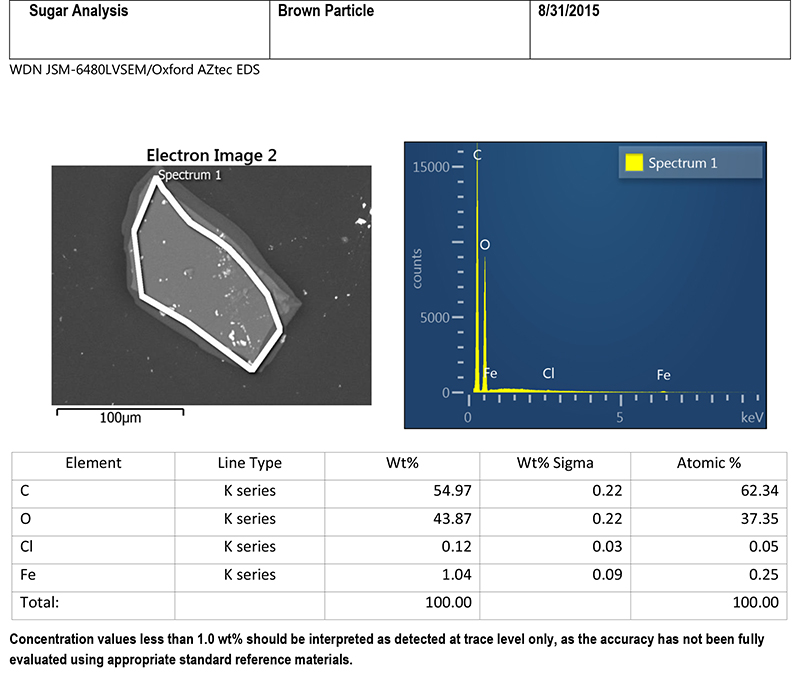
Figure 5. SEM/EDS analysis of a dark foreign particle

A brown particle was mounted on a beryllium stub with a small amount of adhesive, and submitted for SEM/EDS analysis. Figure 5 includes an SEM image of the particle, and a table of EDS data. The SEM image provides some information about the composition of the particle. This image was acquired using backscattered electron mode, in which heavier elements appear lighter in color. The image displays light colored specks scattered across the surface of the particle, indicating that more than one type of material is present. The light-colored circle on the SEM image shows the area that was included in the EDS analysis (the entire particle was analyzed). Looking at the column in the table for weight percent (Wt%), the particle consists primarily of carbon and oxygen, with small amounts of chlorine and iron. Carbon and oxygen are chemical constituents of sugar, but chlorine and iron are not.

SEM/EDS analysis of specks on a dark foreign particle
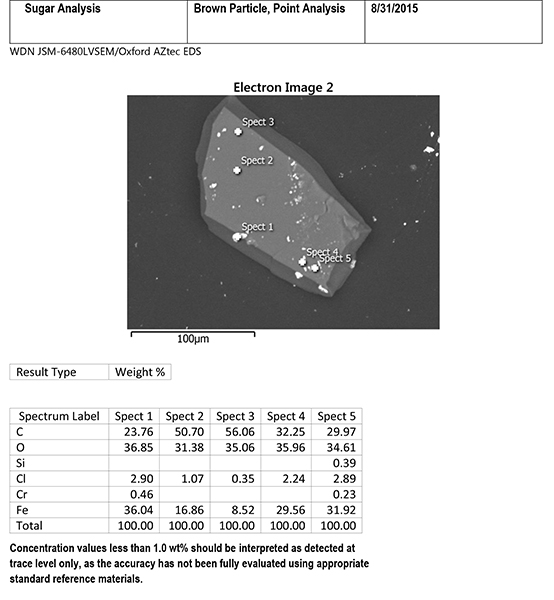
Figure 6. SEM/EDS analysis of specks on a dark foreign particle

The EDS system can also be used to focus on individual small areas on the particle. Figure 6 includes EDS data from five specific light-colored specks on the surface of the brown particle. The specks contain major amounts of iron with small amounts of chlorine, and sometimes chromium and silicon, plus contributions from carbon and oxygen from the surrounding sugar matrix. The composition of the specks indicates steel corrosion, likely from low alloy steel. The presence of chlorine suggests that a chlorinated substance was the initiator for the corrosion process.

In some cases, steel corrosion can be the sole cause of brown or dark discoloration of small particles. In the case of this brown particle, the SEM image shows that the iron-rich particles are not evenly distributed throughout the particle, but are only scattered on the surface. Charring is the most likely cause of the overall brown color of the particle.

Conclusion

When examined under the microscope, the dark particles in the sugar sample had the visual appearance of glass. However, chemical microanalysis of the particles revealed that they were not glass at all, highlighting the importance of microanalytical methods in determining the identity of the foreign matter. The brown particles were ultimately identified as charred sugar particles with scattered specks of steel corrosion (likely from low alloy steel) on the surface. This information can be used to narrow down the search for possible sources of the brown particles in the bulk sugar sample. As part of a root cause investigation, samples of dark particles from various locations in the manufacturing and packaging processes can be studied by the same techniques to look for a match.

More information about FTIR analysis is available in the webinar, Preparation of Polymer Samples for Microspectroscopy

Food processing and sanitation

Seize the Competition by Improving Sanitation

By Tim Tancred
No Comments
Food processing and sanitation

For consumers and manufacturers, product quality and cleanliness are a preeminent priority. Product recalls resulting from manufacturing errors in sanitation often warrant national headlines and cause widespread mistrust and panic among consumers.

After a tumultuous spring and summer, Blue Bell Creameries, a Texas-based ice cream manufacturer, will be restocking its products in select grocery store freezers in five phases. The popular brand was forced to recall its products due to Listeria contamination, which has been blamed for the deaths of three people.

Learning from these instances can greatly reduce the number of sanitation-related issues in the future. Investing in sanitation not only increases safety but does wonders for performance and efficiency.

How can sanitation be a competitive advantage and not a troublesome necessity? It’s all about OEE.

Sanitation efficiency
Investing in sanitation efficiency now will pay off later. Image courtesy of Myrtle Consulting Group

While not investing in sanitation may save you a little money in the short-run, neglecting it can cause exponentially larger costs down the road, including elevated food scrap, equipment reliability failures, excessive non-value adding to production time, expensive recalls, remediation costs, potential legal liability, and destroyed consumer trust.

A focus on Overall Equipment Effectiveness (OEE) will increase capacity without investment or additional resources, and it does not need to be overly difficult or expensive. However, OEE management does require detailed process analysis, process rethinking, reconstructing of resource assignments, and installation of management control and reporting systems. When equipment is scheduled to run, it’s running at the correct rate, using the right number of resources and at the right level of quality. This will not only boost the efficiency of your operation, but the safety and quality of it as well.

An Important Piece of the Puzzle

Adopting lean techniques into your sanitation plan is an effective and efficient way to improve process time. With this approach, you can determine:

  • How to best execute work
  • How much time it should take
  • Who should do it
  • What specific equipment or tools are needed
  • Which materials and PPE (Personal Protective Equipment) are necessary
  • What testing is required

Using LEAN will allow you focus in on three essential areas: the elimination of waste, reduction in variability and reduction of inflexibility. When these factors come together, work can be completed in a standardized, efficient and sanitary manner.

Study. Streamline. Standardize.

Food processing and sanitation
Product recalls due to manufacturing errors in sanitation cause mistrust among consumers. Image courtesy of Myrtle Consulting Group

Study. To incorporate, improve or ensure sanitation, the first step is to evaluate what you’re working with. Take the time to examine existing protocols and contracts. Conducting a detailed study of the current processes can help you define the areas that need work, which may include equipment effectiveness, supervisory staff and materials used.

Streamline. Once you obtain the initial result of the study, goals and plans can be determined to streamline the process and make everything run more efficiently. It is not unusual to discover at least 30% of non-valued time within the existing process, mainly due to poor planning, poor coordination or the use of overly cumbersome methods.

Standardize. After creating a plan to improve effectiveness and sanitation, swift and certain implementation of these ideas are critical to maintain commitment and realize results. With a detailed plan, sanitation of machines and other supplies can be executed in an exact, timely fashion.

Placing Sanitation Operation First

One of the biggest mistakes that can be made in manufacturing is viewing sanitation operations as secondary in importance. This attitude can lead to all kinds of oversight and carelessness, which can cause costly mistakes. Clear expectations, clear roles and responsibilities, and measured performance are the hallmarks of well-executed operations and an effective way to make sanitation a priority.

Dramatic Improvements, Significant Savings

Making these changes to increase efficiency and sanitation have yielded dramatic improvements for manufacturers. A large U.S. food manufacturer installed this system in five of their plants and quickly cut costs while boosting productivity. One of the plants was able to repatriate production outsourced to a co-manufacturer at a savings of approximately $500,000. Another replaced its entire 50+ person sanitation crew with a subcontract cleaning crew, reducing its labor cost from $22 to $11.47 an hour, while at the same time increasing the work effectiveness of the crew and performing 15% more sanitation work within the same time frame.

Manufacturing isn’t only about quantity; it involves ensuring a level of quality that builds consumer loyalty and efficiency. When your product potentially poses risk for the consumer, it also poses a danger to your business and its success. Remember, you don’t have to risk using unsanitary methods for the sake of saving money or increasing efficiency. In fact, sanitation and efficiency are easily attainable when they are brought together in a strategic plan. Putting in the time and dedication to create an effective sanitation plan will help you avoid negative consequences and bring you to the top of your game. Stay clean.

Camila Gadotti, 3M
In the Food Lab

Examining the Role of Food Safety During R&D

By Camila Gadotti, M.S.
1 Comment
Camila Gadotti, 3M

Research and development (R&D) is an essential starting point toward the creation or modification of new and exciting food products, processes and packaging. To ensure that a product is safe for consumption, food safety should be considered during the initial stages of a product’s lifecycle. Incorporating food safety into R&D can be tricky, as safety considerations may change the initial idea or concept of a new food product. For example, the idea of a freshly squeezed orange juice in every supermarket shelf is appealing; however, without pasteurization, that juice will not be safe for consumption, nor will it have the desired shelf life. Adding raw chopped garlic to a hummus product makes it taste great, but will it be safe for consumption after being on the shelf for a month?

To better understand how safety of new products is assured from concept to launch, I spoke with two R&D scientists about food safety considerations during new product development. The interviewees, Maria and Laura, work for the same large food manufacturer, which is located in the Midwest, in the snack foods and breakfast cereals categories, respectively. They both confirm that the R&D team follows a specific procedure during the product concept phase—one that places food safety at the forefront. The team starts by determining how the new product compares to food safety regimens already in place with other products that the company manufactures. If the product is a line extension with only a few changes to an existing formulation, the food safety concerns are likely to be low, and the food safety program already in place is adapted to meet the safety needs of the new product. However, if the product being developed is highly differentiated from other products manufactured by the company, food safety moves into a more central role throughout the development cycle.

According to Maria and Laura, the first step in ensuring food safety for a new product is for the development scientists to have in-depth discussions about the product’s formulation, ingredients and supply sources. These three aspects, along with the planned manufacturing process, are then evaluated through a hazard assessment. The hazard assessment is comprised of microbiological, quality, regulatory, stability and physical hazard assessments. Ingredients that pose food safety concerns without prior controls and process conditions are identified. The quality team determines controls for these ingredients and subsequently involves process engineers to verify that process conditions are attainable and will provide proper control for the hazards identified. A complete HAACP plan is put in place for the new product production, taking into consideration equipment cleanability and location, traffic control for ingredients and operators, and air handling systems. The hazard assessment is documented in detail and must be approved by the quality manager before production runs can begin and development can resume. Although the entire process is led by R&D, multiple other functions are involved and consulted throughout the process.

Manufacturing processes, formulation and market availability of ingredients drive the food safety of a new product, with manufacturing processes and formulation usually being the key drivers. “However, in cases like the recent shortage of eggs due to the avian flu crisis, finding substitutions for ingredients in shortage becomes an important driver for food safety,” says Maria. Laura says that at times, product formulations can change due the integrity of the ingredient or its source. In such cases, a similar ingredient from a credible source is chosen and the safety of the product is re-assessed. There are critical quality and food safety elements that must be considered in the product design phase to prevent issues later in development. When R&D professionals keep these elements top-of-mind when considering formulation and ingredient sourcing, everyone benefits—from the company to consumers.

Although consumer confidence in the safety of the U.S. food supply is slipping (11% said they were “very confident” in the safety of the food supply, down from 15% in 2013; 50% said they were “somewhat confident”, down from 55% in 2013, according to the International Food Information Council’s 2015 Food and Health Survey), the interview with Maria and Laura shows that manufacturers are putting significant effort into developing safe food products. It is equally as important for suppliers and vendors to have robust food safety programs to build strong relationships with manufacturers. Food companies have a lot to lose if a product they develop is, or becomes, unsafe for consumption. Not only can the average cost of a recall add up to $10 million in direct costs to a food company, lost sales and the impact to the company’s market value, brand reputation, and business relationships is major. Some companies never recover from the punch. Through taking the time to audit suppliers, screen new ingredients, and make robust prototypes, food companies can be more confident in the safety of their innovative new products as they go through the development process.