Tag Archives: Focus Article

FDA

FDA Expects to Release Blueprint for New Era of Smarter Food Safety Soon

By Food Safety Tech Staff
No Comments
FDA

On October 1, Frank Yiannas will be the keynote speaker for the 2020 Food Safety Consortium Virtual Series || The series takes place during the weeks of September 3 through December 17Expect the much-anticipated blueprint for FDA’s New Era of Food Safetyto be released soon. The agency has not provided an exact date but in an update prior to the July 4th holiday, FDA stated it would be rolled it out “in the coming weeks”.

“The challenges we’ve faced during the pandemic have made it clear that the goals we set forth in the New Era blueprint are more important now than ever. Some of them, like enhanced traceability, are particularly meaningful in light of recent events,” Frank Yiannas, FDA’s Deputy Commissioner for Food Policy and Response, stated in an agency consumer update. “What we have learned from the pandemic is that we’re on the right track with the New Era of Smarter Food Safety. The steps that we’ll take will prepare us to protect the safety of our food supply, no matter what challenges we face.”

In addition to the focus on emerging digital technologies, traceability in the supply chain, ensuring safety in the home delivery of food (e-commerce), and food safety culture, FDA will be including the lessons learned from the COVID-19 pandemic as part of the blueprint structure.

Susanne Kuehne, Decernis
Food Fraud Quick Bites

A Case Of Fake Wine Classification

By Susanne Kuehne
No Comments
Susanne Kuehne, Decernis
Bordeaux, fraud
Find records of fraud such as those discussed in this column and more in the Food Fraud Database.
Image credit: Susanne Kuehne

Based on a classification system that was established more than 150 years ago, wines from the world-renowned region of Bordeaux can fetch high prices and enjoy a high degree of recognition and popularity. The Conseil Interprofessionnel du Vin de Bordeaux (CIVB) and Chinese authorities set a precedent by sentencing a wine supplier for offering fake “Bordeaux” wines. Nearly 10,000 bottles of mislabeled “Bordeaux” wines were seized, and the guilty judgment included fines and a suspended prison sentence.

Resource

  1. Taylor, P. (June 30, 2020). “Bordeaux wine body wins key counterfeit lawsuit in China”. Securing Industry.
Salim Al Babili, Ph.D., KAUST
Food Genomics

To Boost Crop Resilience, We Need to Read Our Plants’ Genetic Codes

By Salim Al Babili, Ph.D.
No Comments
Salim Al Babili, Ph.D., KAUST

In just 30 years, worldwide food production will need to nearly double to feed the projected population of 9 billion people. Challenges to achieving food security for the future include increasing pressures of global warming and shifting climatic belts, a lack of viable agricultural land, and the substantial burdens on freshwater resources. With the United Nations reporting nearly one billion people facing food insecurity today, our work must begin now.

A key research area to meet this crisis is in developing crops resilient enough to grow in a depleting environment. That’s why we need to search for ways to improve crop resilience, boost plant stress resistance and combat emerging diseases. Researchers around the world, including many of my colleagues at Saudi Arabia-based King Abdullah University of Science and Technology (KAUST), are exploring latest genome editing technologies to develop enough nutritious, high-quality food to feed the world’s growing population.1

Where We’ve Been, and Where We Need to Go

Farmers have been genetically selecting crop plants for thousands of years, choosing superior-looking plants (based on their appearance or phenotype) for breeding. From the early 20th century, following breakthroughs in understanding of genetic inheritance, plant breeders have deliberately cross-bred crop cultivars to make improvements. In fact, it was only a few decades ago that Dr. Norman Borlaug’s development of dwarf wheat saved a billion lives from starvation.

However, this phenotypic selection is time-consuming and often expensive—obstacles that today’s global environment and economy don’t have the luxury of withstanding.

Because phenotypic selection relies on traits that are already present within the crop’s genome, it misses the opportunity to introduce resilient features that may not be native to the plant. Features like salt tolerance for saltwater irrigation or disease resistance to protect against infections could yield far larger harvests to feed more people. This is why we need to explore genome editing methods like CRISPR, made popular in fighting human diseases, to understand its uses for agriculture.

What Our Research Shows

We can break down these issues into the specific challenges crops face. For instance, salt stress can have a huge impact on plant performance, ultimately affecting overall crop yields. An excess of salt can impede water uptake, reduce nutrient absorption and result in cellular imbalances in plant tissues. Plants have a systemic response to salt stress ranging from sensing and signaling to metabolic regulation. However, these responses differ widely within and between species, and so pinpointing associated genes and alleles is incredibly complex.2

Researchers must also disentangle other factors influencing genetic traits, such as local climate and different cultivation practices.

Genome-wide association studies, commonly used to scan genomes for genetic variants associated with specific traits, will help to determine the genes and mutations responsible for individual plant responses.3 Additionally, technology like drone-mounted cameras could capture and scan large areas of plants to measure their characteristics, reducing the time that manual phenotyping requires. All of these steps can help us systematically increase crops’ resilience to salt.

Real-world Examples

“Quinoa was the staple ‘Mother Grain’ that fueled the ancient Andean civilizations, but the crop was marginalized when the Spanish arrived in South America and has only recently been revived as a new crop of global interest,” says Mark Tester, a professor of plant science at KAUST and a colleague of mine at the Center for Desert Agriculture (CDA). “This means quinoa has never been fully domesticated or bred to its full potential even though it provides a more balanced source of nutrients for humans than cereals.”

In order to further understand how quinoa grows, matures and produces seeds, the KAUST team combined several methods, including cutting-edge sequencing technologies and genetic mapping, to piece together full chromosomes of C. quinoa. The resulting genome is the highest-quality quinoa sequence to date, and it is producing information about the plant’s traits and growth mechanisms.4,5

The accumulation of certain compounds in quinoa produces naturally bitter-tasting seeds. By pinpointing and inhibiting the genes that control the production of these compounds, we could produce a sweeter and more desirable crop to feed the world.

And so, complexity of science in food security increases when we consider that different threats affect different parts of the world. Another example is Striga, a parasitic purple witchweed, which threatens food security across sub-Saharan Africa due to its invasive spread. Scientists, including my team, are focused on expanding methods to protect the production of pearl millet, an essential food crop in Africa and India, through hormone-based strategies for cleansing soils infested with Striga.6

Other scientists with noteworthy work in the area of crop resilience include that of KAUST researchers Simon Krattinger, Rod Wing, Ikram Blilou and Heribert Hirt; with work spanning from leaf rust resistance in barley to global date fruit production.

Looking Ahead

Magdy Mahfouz, an associate professor of bioengineering at KAUST and another CDA colleague, is looking to accelerate and expand the scope of next-generation plant genome engineering, with a specific focus on crops and plant responses to abiotic stresses. His team recently developed a CRISPR platform that allows them to efficiently engineer traits of agricultural value across diverse crop species. Their primary goal is to breed crops that perform well under climate-related stresses.

“We also want to unlock the potential of wild plants, and we are working on CRISPR-guided domestication of wild plants that are tolerant of hostile environments, including arid regions and saline soils,” says Mahfouz.

As climate change and population growth drastically alters our approach to farming, no singular tool may meet the urgent need of feeding the world on its own. By employing a variety of scientific and agricultural approaches, we can make our crops more resilient, their cultivation more efficient, and their yield more plentiful for stomachs in need worldwide. Just as technology guided Dr. Bourlag to feed an entire population, technology will be the key to a food secure 21st century.

References

  1. Zaidi, SS. et al. (2019). New plant breeding technologies for food security. Science. 363:1390-91.
  2. Morton, M. et al. (2018). Salt stress under the scalpel – dissecting the genetics of salt tolerance. Plant J. 2018;97:148-63.
  3. Al-Tamimi, N. et al. (2016). Salinity tolerance loci revealed in rice using high-throughput non-invasive phenotyping. Nature Communicat. 7:13342.
  4. Jarvis, D.E., et.al. (2017). The genome of Chenopodium quinoa. Nature. 542:307-12.
  5. Saade. S., et. al. (2016). Yield-related salinity tolerance traits identified in a nested association mapping (NAM) population of wild barley. Sci Reports. 6:32586.
  6. Kountche, B.A., et.al. (2019). Suicidal germination as a control strategy for Striga hermonthica (Benth.) in smallholder farms of sub‐Saharan Africa. Plants, People, Planet. 1: 107– 118. https://doi.org/10.1002/ppp3.32

Susanne Kuehne, Decernis
Food Fraud Quick Bites

Don’t Primp My Shrimp

By Susanne Kuehne
No Comments
Susanne Kuehne, Decernis
Shrimp, Food fraud
Find records of fraud such as those discussed in this column and more in the Food Fraud Database.
Image credit: Susanne Kuehne

Authorities in Cambodia found a jelly-like substance injected into 11 tons of shrimp and other seafood imported possibly from Vietnam. Not only were the shrimp unfit for human consumption, import paperwork and permits were missing as well. The seafood was confiscated and destroyed at a landfill.

Resource

  1. Sotheary, P. (June 1, 2020). “11 tonnes of tainted seafood destroyed”. Khmer Times.
    Find records of fraud such as those discussed in this column and more in the Food Fraud Database.
Megan Nichols
FST Soapbox

COVID-19 Led Many Dairy Farmers to Dump Milk

By Megan Ray Nichols
No Comments
Megan Nichols

Much of the news coverage surrounding the COVID-19 pandemic mentions infection numbers and fatalities. Those are undoubtedly important for showing parts of the overall impact. However, it’s easy to overlook the ramifications felt by some professionals. One recent example concerns the instances of dairy farmers dumping milk.

Numerous Factors Contributing to the Problem

The pandemic drastically and dramatically disrupted life. Many of the associated changes affected milk producers, but perhaps not in the ways people expect. As schools closed and restaurants operated on delivery or a takeaway-only basis, the demand for milk typically consumed in the food and educational sector went down.

Consider, too, that the pandemic forced the closure of enterprises that did not necessarily serve large quantities of milk every day but still likely placed ongoing orders with suppliers. For example, a daycare center might give toddlers boxes of dairy beverages each day during snack time. Coffee shops often add milk to their lattes or set out bottles for people who want to put some in their coffee.

When coronavirus cases emerged in the United States, many people panicked and flocked to grocery stores for essentials. Milk is often one of the staples people buy before winter storms hit, and they wanted it to prepare for the pandemic, too. One Target store in New Jersey sold out of its entire stock of milk in only five minutes. Stores responded by imposing per-person limits on the product.

If the demand exists, what caused the milk surplus? Part of it boils down to a lack of space at milk processing plants. A related issue is that processors typically serve particular markets. One might cater to retail buyers while another primarily addresses needs in the food service sector. They lack the infrastructure to pivot and begin accepting milk orders from a new type of customer, particularly if the milk-based product is substantially different, like sour cream versus ice cream.

A First-Time Phenomenon

Farmers discarding milk is not unheard of, but it’s not something many producers do regularly. Andrew Griffith, a professor at the University of Tennessee, said that some farmers had to do it recently for the first time in careers spanning decades. He explained, “It’s not that [dumping] hasn’t occurred from farm to farm.” Adverse weather conditions can delay pickups, and unexpected supply spoilages might lead to too much milk.

“But we’re talking about a level of dumping that is not common at all. There [are] a lot of farmers that are experiencing dumping milk for the first time in their 30- or 40-year careers,” Griffith said in an article published on The Counter.

The highly perishable nature of milk poses another problem contributing to the milk surplus. That aspect hit dairy harder than some other types of agricultural goods. People could put grain into silos, but storage is more complicated for dairy products.

Any exposure to higher-than-recommended temperatures causes spoilage. The subsequent risk to consumers means farmers must throw it away. Cold storage facilities are essential for the dairy industry. Statistics from 2018 indicated an average of 10.67 cents per kilowatt-hour for energy consumption at commercial facilities. However, cold storage facilities operate 24/7, so their energy needs are often higher than those of other commercial buildings.

Cows, dairy, farms
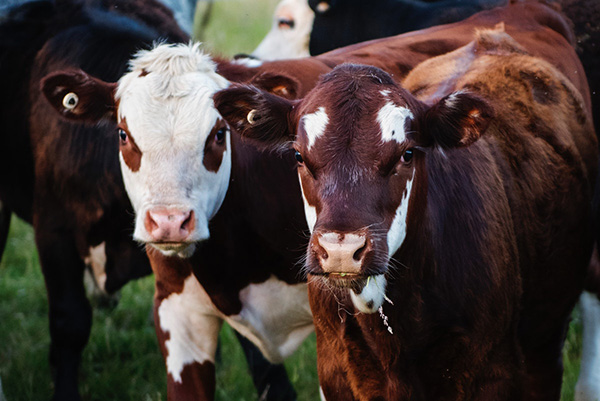
The coronavirus is only one of the challenges likely to impact the dairy industry in the coming months and years. Dairy consumption has been trending down for years. (Pexels image)

The delicate nature of the product is another unfortunate aspect that may lead to dumping milk. If a processor has no room to accept the raw goods, there’s nowhere for them to go. In April The Wall Street Journal reported that in one week, producers threw out as much as 7% of the milk in the United States from that period. The same story highlighted how a specialty cheese factory saw sales of its chèvre and ricotta drop by 95% in one day.

Coping With Dairy Industry Fluctuations

The coronavirus is only one of the challenges likely to impact the dairy industry in the coming months and years. A Statista chart profiles the progressive decline of milk consumption in the United States. The average amount of milk per person in 1975 totaled 247 pounds. It plunged to 149 pounds by 2017.

There’s also the issue of people showing a growing preference for plant-based milk alternatives. One industry analysis tracked sales of traditional and oat milk during mid-March. Purchases for the first category rose by 32%, while oat milk sales soared by 476%. A potential reason for that huge increase in the latter category is that supermarkets sell shelf-stable milk alternatives. Those often stay in date for months when unopened.

People can get them in the refrigerated section, too, but they may have preferred not to as they cut down their shopping trips due to COVID-19. Consumers also noticed the increasing number of milk-like beverages made from hemp, hazelnuts and other options. If a person tries one and doesn’t like it, they may try a different option.

Despite those challenges, some dairy farmers anticipated favorable trends—at least before the coronavirus hit. Producers get paid per 100 pounds of milk. Katie Dotterer-Pyle, owner of Cow Comfort Inn Dairy, said 2013 was a particularly good year for the rates. Back then, farmers received about $30 for every 100 pounds, although the price has stayed at approximately $17 per 100 over the past two years.

When Might the Milk Surplus Ease?

This coverage emphasizes the lack of a quick fix for the dairy industry strain. As restaurants reopen, that change should help address the problem, but it won’t solve it entirely. Some enterprises refocused their efforts to better meet current demands. One Dallas-based plant that handles dairy products more than halved its output of cardboard milk cartons and increased production of whole and 2% milk for the retail sector. It is now back to normal manufacturing runs.

As mentioned earlier, though, many processors can’t make such changes. Dumping milk becomes a heart-wrenching practice for hard-working producers. Many tried to compensate by selling their least-profitable cows for slaughter or making feeding changes to reduce the animals’ production. Some private entities committed to purchasing milk from farms and getting it to food banks. Other analysts say the government should step in to help.

People in the farming community support each other with tips and reassurance, but most know they could be in for a long struggle. As supply chains recovered from the initial shock of COVID-19, most people stopped panic buying, and stores no longer set product limits. Things are moving in the right direction, but the impacts remain present.

A Complicated Issue

Many state leaders have let businesses reopen, and others are following. Any step toward a new kind of normal is a positive one that should gradually help the dairy sector. However, much of what the future holds remains unknown, mainly since this is a new type of coronavirus, and scientists still have plenty to learn about mitigating it.

USDA Logo

Pilgrim’s Pride Recalls Nearly 60,000 Pounds of Chicken Nuggets

By Food Safety Tech Staff
No Comments
USDA Logo

Yesterday Pilgrim’s Pride Corp. recalled about 59,800 pounds of fully cooked chicken breast nuggets over concern that they could be contaminated with flexible rubber. The Class II recall affects frozen ready-to-eat chicken nuggets that were produced on May 6, 2020 and bear the establishment number P-20728. The products were shipped to retail stores in Arizona, Idaho, Oregon and Texas.

The issue was uncovered after a consumer complained about rubber pieces in the chicken nuggets. Thus far there are no reported adverse reactions related to consumption of the nuggets.

Susanne Kuehne, Decernis
Food Fraud Quick Bites

Botanicals Yes, Glycerol No

By Susanne Kuehne
No Comments
Susanne Kuehne, Decernis
Food fraud, gin, ingredients, botanicals
Find records of fraud such as those discussed in this column and more in the Food Fraud Database. Image credit: Susanne Kuehne.

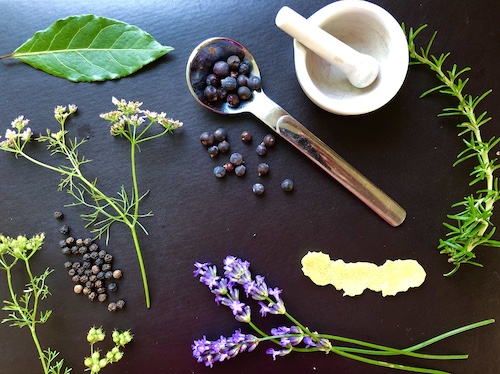
Gin usually consists of re-distillation or addition of a myriad of botanical ingredients to alcohol, but should certainly not contain glycerol and hydrogen peroxide like in this mislabeling case in Australia. This product poses a health risk for consumers, and is under recall for a full refund.

Resource

  1. Apollo Bay Distillery P/L recall (June 8, 2020) “Apollo Bay Distillery SS Casino Dry Gin”. Food Standards Australia New Zealand.
Coronavirus, COVID-19

China Stops Poultry Imports From Tyson Foods Due to COVID-19 Concerns, Clamping Down on Inspections

By Food Safety Tech Staff
No Comments
Coronavirus, COVID-19

On Sunday China’s General Administration of Customs announced that it would be suspending imported shipments of poultry from a Tyson Foods plant based in Springdale, Arkansas. The suspension is reportedly due to an outbreak of coronavirus cases at the facility.

On Friday Tyson Foods announced the results of COVID-19 testing conducted at its facilities in northwestern Arkansas (Benton and Washington counties): 3,748 employees were tested; 481 tested positive, and 95% were asymptomatic.

“The results across our Northwest Arkansas facilities, and the country more broadly, reflect how much is still unknown about this virus, which is why Tyson is committed to providing information to our local health officials and enhanced education to our team members,” said Tom Brower, senior vice president of health and safety for Tyson Foods stated in a company press release. “Through our inclusive approach to large-scale testing, we are finding that a very high level of team members who test positive do not show symptoms. Identifying asymptomatic cases helps the community, since other testing is often limited to people who feel unwell.”

Meanwhile, it has also been reported that officials in China want the inspection process of overseas shipments ramped up, as they suspect that COVID-19 could be present on imported frozen food products.

Over the weekend PepsiCo’s Beijing operations were suspended following confirmed coronavirus cases at its chips production facility.

Last week new cases of the coronavirus were reported in Beijing, leading to concerns of a resurgence of the virus. Some new cases have been linked to the Xinfadi Market, a wholesale food market.

Hyvee Garden Salad

FDA, CDC Investigating Multistate Cyclospora Outbreak Involving Bagged Salads

By Food Safety Tech Staff
No Comments
Hyvee Garden Salad

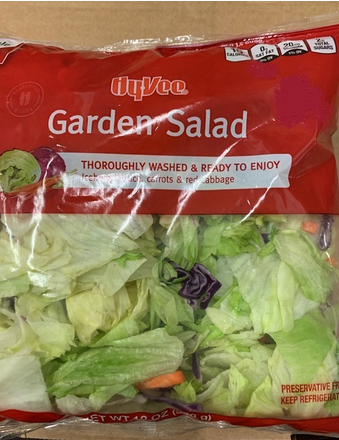
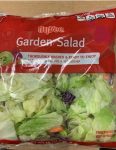
An outbreak of Cyclospora infections is being linked to bagged, garden salads sold at ALDI, Hy-Vee and Jewel-Osco grocery stores in six states across the Midwest (Iowa, Illinois, Kansas, Minnesota, Missouri and Nebraska). The FDA, CDC and other state and local agencies are investigating the multistate outbreak, which has sickened 76 people and resulted in 16 hospitalizations. No deaths have been reported.

The FDA and CDC are recommending that consumers should not eat the products, and restaurants and retailers should not serve or sell the products, which fall under the following brand names: ALDI Little Salad Bar Brand Garden Salad from ALDI grocery stores, Hy-Vee Brand Garden Salad from Hy-Vee grocery stores, and Signature Farms Brand Garden Salad from Jewel-Osco. The illness onset date range is currently May 11–June 14, 2020.

Mice, pests

Pests Don’t Rest During a Pandemic

By Food Safety Tech Staff
No Comments
Mice, pests

The COVID-19 pandemic has forced the closure of hundreds of restaurants, food processors and other businesses nationwide. As weeks went on, increased rodent activity plagued many businesses, some of which has been attributed to a change in food sources and availability—so much so that the CDC released a warning about rodent control in restaurants and other commercial businesses that have either been closed or have had limited service during the pandemic. “Environmental health and rodent control programs may see an increase in service requests related to rodents and reports of unusual or aggressive rodent behavior,” the CDC stated last month.

As the American economy reopens, many food establishments and facilities must consider three key points that will affect pest management during this time:

  • Pest pressure continues. Rodents are on a never-ending search for food, water and harborage.
  • Change in business patterns. Different inbound and outbound shipments; changes in employee shifts and production schedules; new supply chain partners.
  • Service provider access. Access to facilities and secure areas; changes in facility structure, equipment and storage

Factoring the many changes that COVID-19 has prompted, the role of pest management is more important than ever. We invite you to join us for Food Safety Tech’s upcoming complimentary virtual conference, “Integrated Pest Management: Protect Food Safety and Prevent the Spread of Pathogens”, on June 30. Our Technical Service Lead, Joe Barile, will discuss pest management and risk mitigation in the COVID-19 world; he will be followed by Orkin’s VP of Quality Assurance and Technical Services, Judy Black, on the key components to successful IPM and pest management programs, and Angela Anandappa, Ph.D. of the Alliance for Advanced Sanitation on how an effective sanitation program can protect against pest and food contamination. Register now.