

Dr. Eblen will outline FSIS’ vision for advancing food safety through science-based policymaking, enhanced surveillance, and streamlined regulatory frameworks.
Gardenia (genipin) blue is derived from the fruit of the gardenia, a flowering evergreen. The FDA has approved the color additive for use in sports drinks, flavored or enhanced non-carbonated water, fruit drinks and ades, ready-to-drink teas, hard candy, and soft candy.

In a letter to food manufacturers, signed by Martin A. Makary, M.D., M.P.H., Commissioner of Food and Drugs and Kyle A. Diamantas, J.D., Deputy Commissioner for Human Foods, HHS and FDA requested food companies to remove FD&C Red No. 3 sooner than the 2027 deadline required by the final order.
It is quite easy for Listeria to get into a food plant on someone’s shoes, or equipment being brought in from outside, or ingredients coming from a supplier. This is the third article in a series on Listeria in Food Plants
To enforce food safety regulations, FDA and USDA have a “zero tolerance” policy for Listeria monocytogenes (Lm) in certain foods. This is the second article in a series on Listeria in Food Plants.
This plan elevates American agriculture as a key element of our nation’s national security, addressing urgent threats from foreign adversaries and strengthening the resilience of the nation’s food and agricultural systems.
Listeria was named in honor of a famous British surgeon, Sir Joseph Lister (from whom the trade name Listerine also comes from), who advocated for the use of antiseptics during surgery. This article is the first in a series of six brief articles on Listeria.
An introduction to a series of articles on the detection, mitigation and control of Listeria in Food Plants
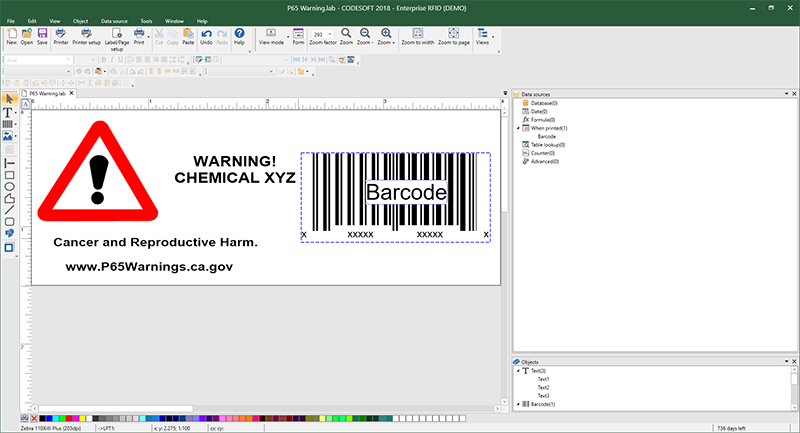
The list includes the color additives that the FDA has targeted, but many other additives not recommended for human consumption by the appropriate authority in Australia, Canada, the European Union, or the United Kingdom.
VQIP is a fee-based program that offers importers an opportunity to expedite the review and importation process of human and animal foods into the United States by demonstrating and maintaining control over the safety and security of their supply chains.