
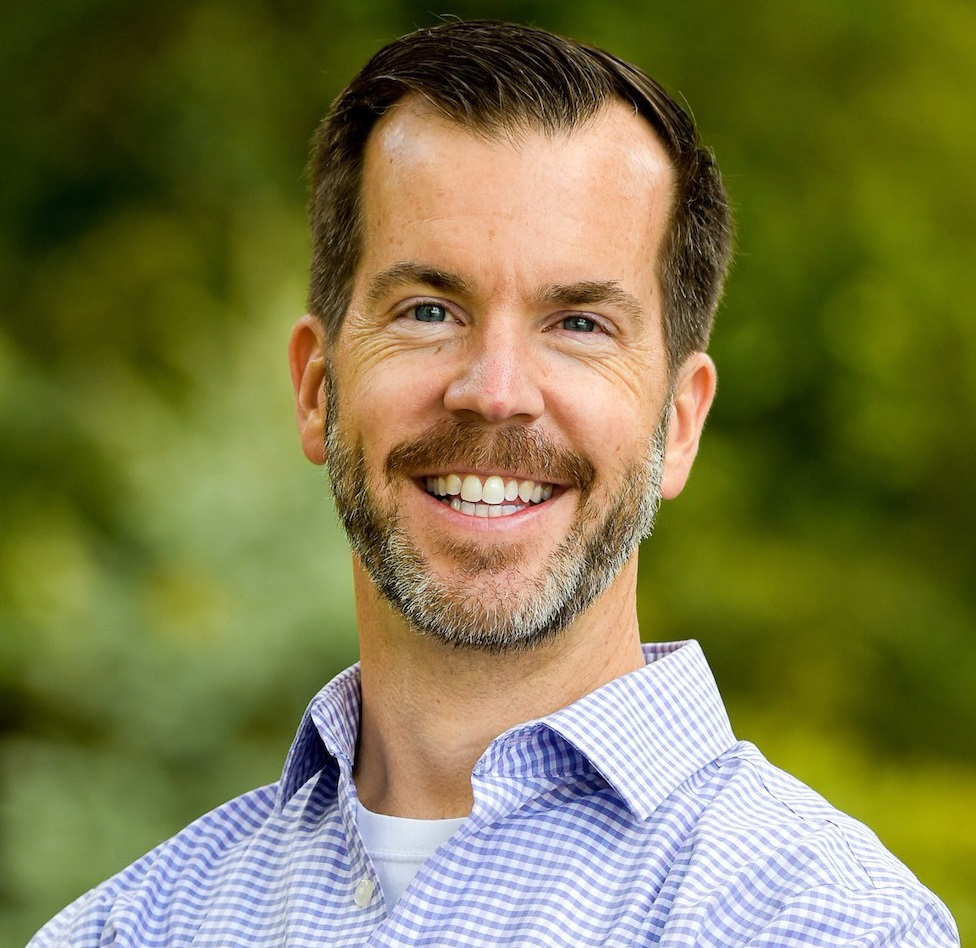
The EU’s proposed ban on PFAS, released last month, could have far-reaching implications for food companies. Craig Butt, Ph.D., Senior Staff Scientist for Food/Environmental Science at SCIEX, discusses the proposed regulations, new detection methods and how industry can prepare for more stringent regulation of fluorine compounds.
The Food Safety Consortium will take place October 16-18, 2023, in Parsippany, New Jersey. This year’s conference will include a new Food Safety Hazards Track and co-location with the Cannabis Quality Conference.

The BRCGS Certification Body of the Year award recognizes innovation and excellence in standards development, training and third-party certification for companies in the food and consumer products sectors.
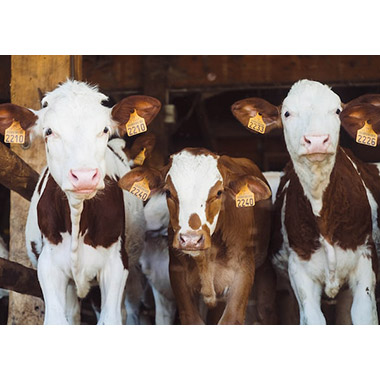
The report looked at trends in Salmonella serotypes and antimicrobial resistance (AMR) in certain food animal species and products sampled from 2014 through 2019 as part of FSIS NARMS sampling.

Developing and implementing an integrated management system that encompasses food safety and quality standards requires good communication, appropriate team members, regular audits and assessments, and buy in from leadership. Here’s how to get started.
Join Food Safety Tech and the Center for Foodborne Illness Research and Prevention in person at Ohio State University on April 3-5, for three days of food safety education and networking.

Environmental Monitoring Programs have become an increasingly vital part of a Food Safety Plan. Unfortunately, they are often poorly designed and incorrectly scoped. Understanding the true purpose of these programs is key to success.
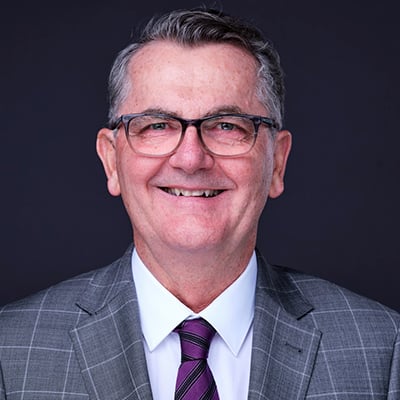
The Trailblazer program is part of a $150 million effort to boost growth and innovation in Australia’s food and beverage industry.
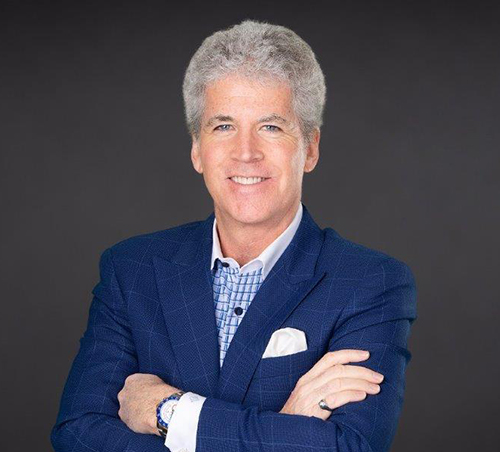
Incorporating new communication tools and strategies can boost job satisfaction, worker safety and the efficacy of your training programs.
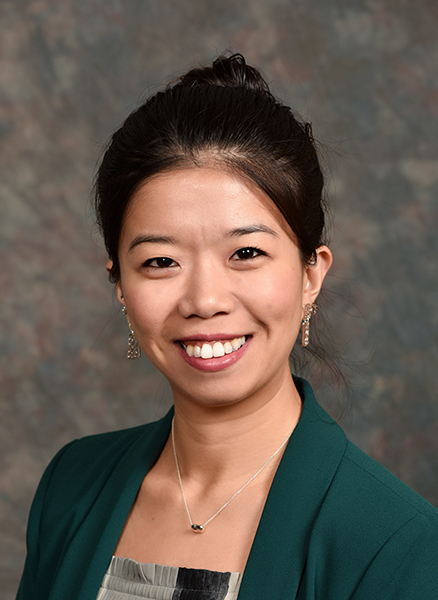
Melody Ge, Director of Food Safety & Quality at StarKist and Founder of Women in Food Safety discusses her career, advice for young food safety professionals, and how curiosity and compassion fuel her work and life.