
Recognized for its innovative approach to supplier compliance, Affiliated Foods demonstrates how practical technology, individual initiative, and a commitment to food safety can deliver measurable results.
The Food Safety Hazards Conference, organized by Food Safety Tech and hosted by Millipore-Sigma in St. Louis, MO, focuses on the detection, mitigation, control and regulations of food safety hazards through technology, best practices and data analytics. The Hazards addressed in the program include Listeria, e-Coli, Salmonella, Allergens, Chemicals and Foreign Matter. The conference scope includes both human and pet foods.
New analysis of the 2026 Food Safety Digital Maturity Benchmark shows that most food manufacturers believe their technology is paying off. Far fewer can show it in the language the CFO speaks.

This series examines food safety as business infrastructure: the business decisions, governance structures, and operational conditions that determine whether technical food safety systems can hold under production pressure. The first three articles followed the operation inward, from the corrective action log through the cost of repetition to what growth asks a system to carry. The fourth followed it outward, to the public. This final article turns to the people who carry it all on their shoulders.
Study ties digital maturity to measurable ROI and food safety performance; 290 food manufacturer respondents, full findings debut at the Food Safety Consortium, October 21-23 in Washington, D.C.

Here we propose a dual scoreboard, comprised of leading and lagging statistics taken from actual operations and the system’s output — as expressed through recall and outbreak incidents. The work is the first application of the concepts on top of a tier approach to supplier risk employed throughout a multi-supplier grocery distribution system and presented as a launch pad for further industry and regulatory comment.

This series examines food safety as business infrastructure: the business decisions, governance structures, and operational conditions that determine whether technical food safety systems can hold under production pressure. The first three articles followed the record inward—from the corrective-action log, through the cost of repetition, to what growth asks a system to carry. This article follows that same operational reality outward.
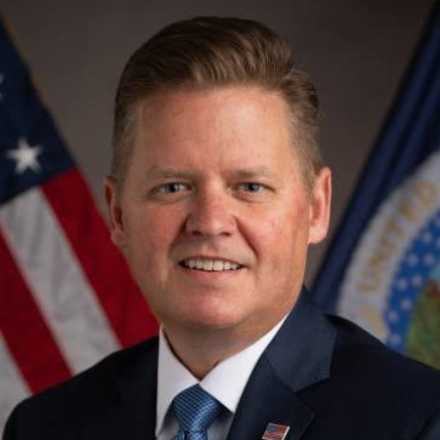
Dr. Justin Ransom, administrator of the U.S. Department of Agriculture’s (USDA) Food Safety and Inspection Service (FSIS) will present at this year’s Food Safety Consortium Conference October 21-23 in Washington DC along side, Dr. Donald A. Prater, Acting Deputy Commissioner for Food, FDA.
New award will recognize food and beverage organizations applying innovative technology to strengthen food safety performance
FSTR is being launched in conjunction with its anchor research study: The Food Safety Digital Maturity Benchmark, giving food manufacturers an independent way to measure the impacts of digital transformation, technology adoption, and operational performance. The study findings will debut at the 15th Anniversary Food Safety Consortium Conference & Expo, October 21-23, in Washington DC.