

Raw food safety data is most valuable when paired with actionable insights. By replacing manual workflows with automated software, food manufacturers can unlock real-time trend analysis and identify contamination hot spots before they spread.

FDA sent a letter to the infant formula industry and their supply chain partners highlighting multiple recent public health events where risks were introduced through the supply chain and to call for increased vigilance by industry to ensure the safety of ingredients and finished infant formula products.
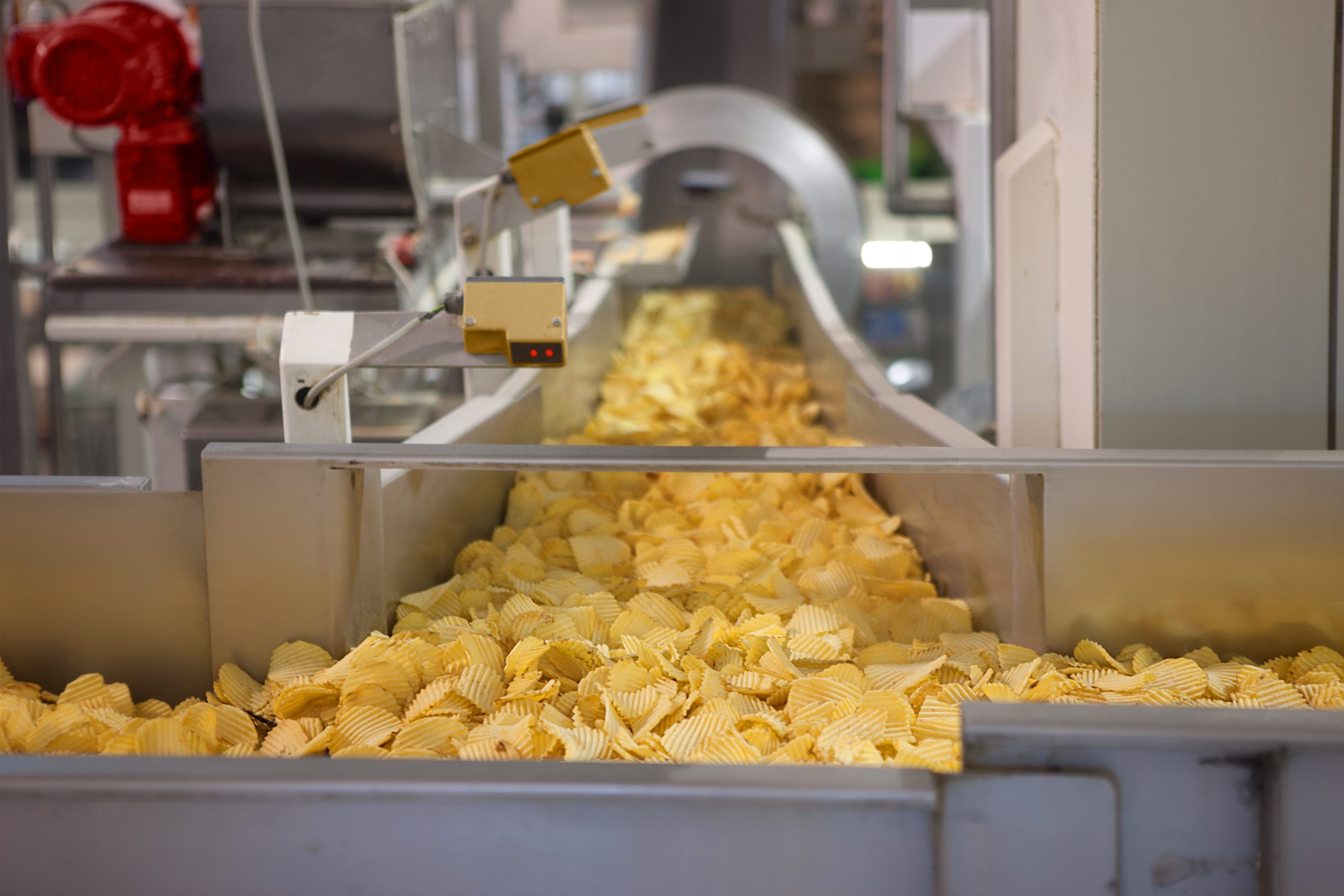
Fifteen years of preventive controls investment has produced a record detailed enough to answer a question most operations confront only under pressure: not whether a system performs, but whether it can carry what growth asks of it. Rising volume, added complexity, new customers, and shifting requirements all impact the same structure, and they reveal whether the structure was built to absorb them, or whether people have been absorbing the difference on its behalf. This five-part series examines food safety through the business realities leaders already navigate: profitability, risk, growth, brand trust, and organizational function.

On the same day the SCOTUS sided with the Trump administration and the maker of the weedkiller Roundup, Trump issued an executive order aimed at reducing pesticides in the food supply and studying the health risks they pose but with no new federal funding, and it does not call for new regulations or legislation.

New investigation is the first to trace microplastics and plastic chemicals from plastic packaging into baby food. The testing commissioned by Greenpeace International in 2025 found plastic particles in the baby food products of two global consumer goods companies – Danone and Nestlé. The study suggests a link between the type of plastic the pouches are lined with – polyethylene – and some of the microplastics found.

As the Acting Deputy Commissioner for Food, Dr. Prater leads the agency’s Human Foods Program, overseeing all FDA nutrition and food safety activities
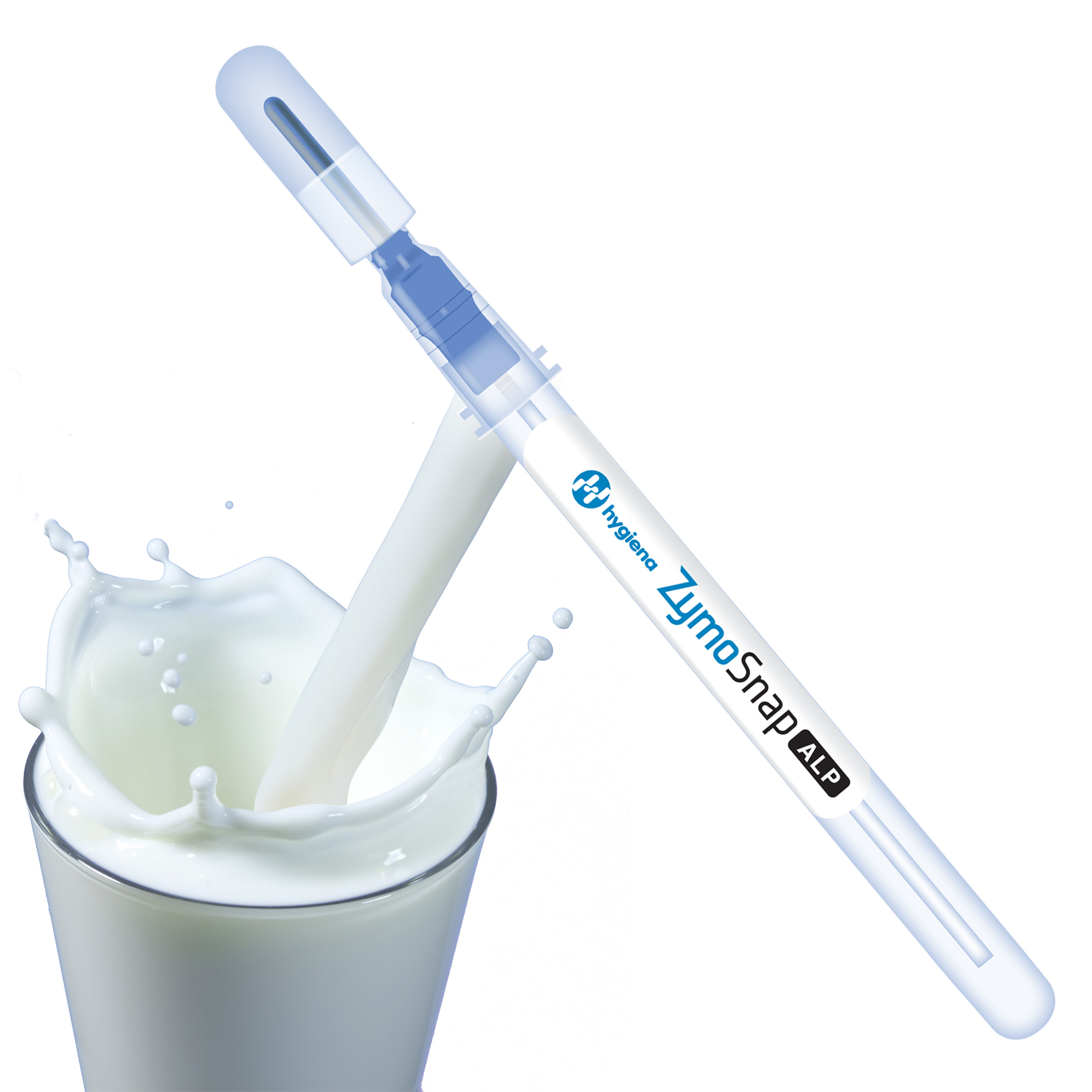
At the core of One Health Diagnostics® is a shift from testing alone to connected diagnostics ecosystems, delivering actionable insights that drive smarter, faster and more sustainable decision-making.

Fly control is a critical food safety requirement for food processing facilities. As temperatures rise, fly breeding cycles accelerate, increasing the risk of pathogen transfer (including Salmonella and E. coli), audit findings and FSMA or GFSI nonconformities
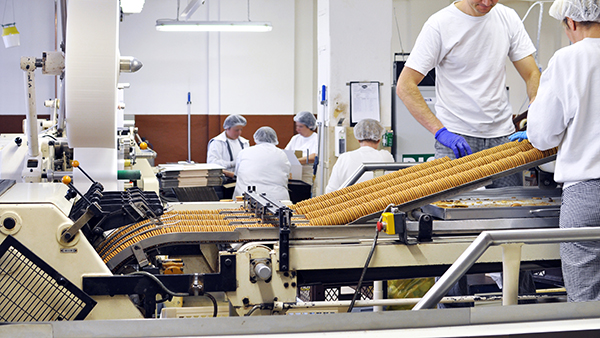
Fifteen years of preventive controls investment has produced something many organizations are positioned to use more fully: a record of operational performance detailed enough to begin reading these costs as a pattern with a common origin rather than as isolated inefficiencies belonging to separate departments. That reorientation is available, and the infrastructure for it already exists. This five-part series examines food safety through the business realities that leaders already navigate: profitability, risk, growth, brand trust, and organizational function. Not to reframe food safety as a business problem, but to make visible what the industry has earned the right to see clearly.

How a chance meeting lead to the sharing of an emotional and powerful food safety story. Was this random hotel elevator connection fate or divine intervention? I don’t know. What I do know is because Dana was willing to talk to a stranger, she was able to share her daughter, Kayla’s food safety story to an audience of food safety professionals and now to you.