

Under the draft policy, the FDA does not intend to enforce any of the requirements of the Food Traceability Rule for RFEs and restaurants whose average monetary value of food sold or provided during the previous three-year period is greater than $250,000 but not more than $1million, adjusted for inflation using 2020 as the baseline year for calculating the adjustment.

The 2026 FDA Food Code differs from the 2022 edition by tightening allergen enforcement, expanding record keeping rules, and adding modern safety science for chemical additives and managerial oversight.
While it feels like we had more food recalls than usual this summer, the number of recalls is actually on par with recent years. However, the recalls are getting bigger and more complex. Fewer, larger suppliers are serving more points of sale, which is why a single contamination event can have such a massive impact.
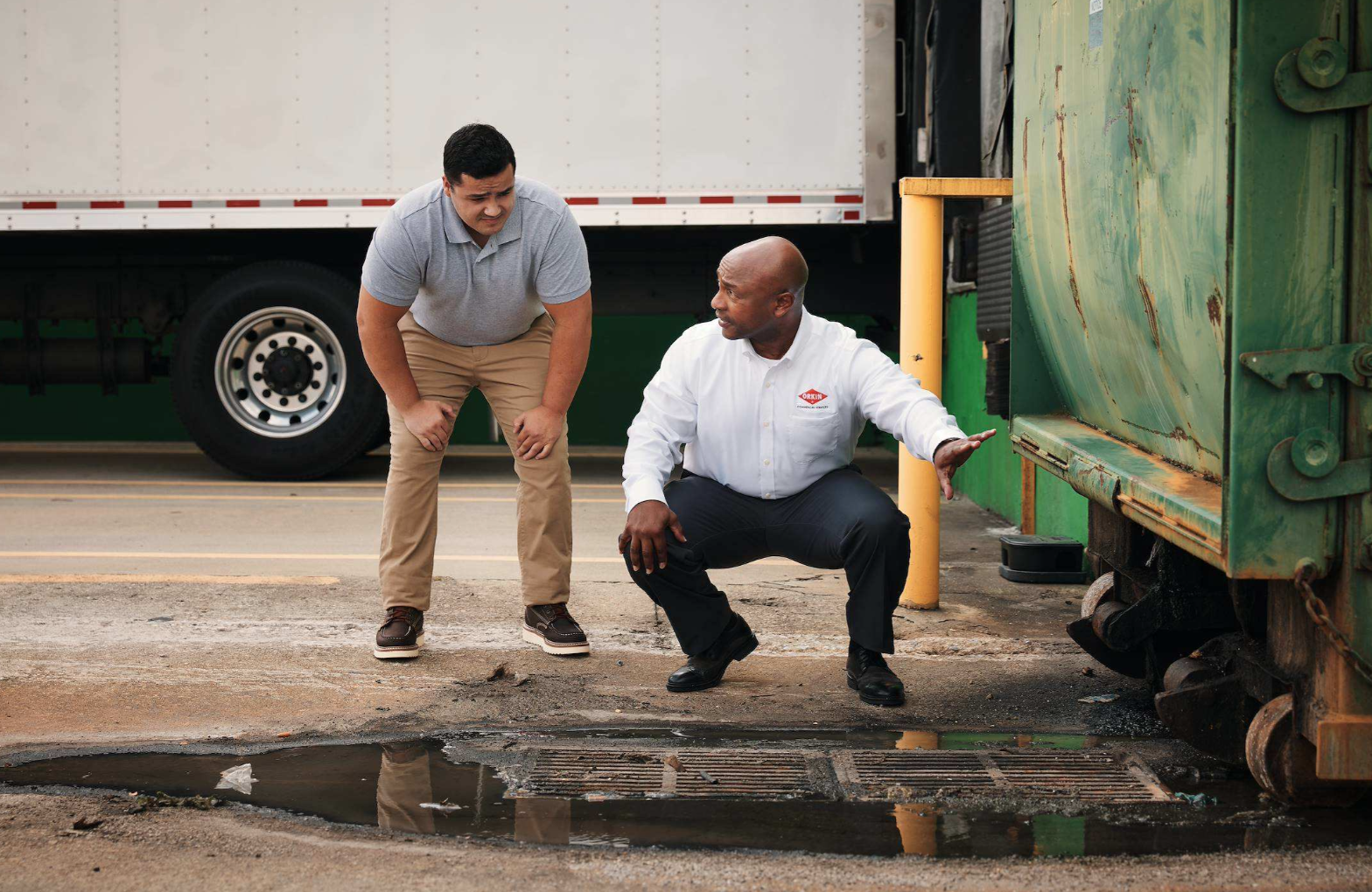
Severe weather can increase stored product pest risks in food and beverage processing facilities by damaging building protections, disrupting routine sanitation, inspection and monitoring practices as well as causing an increase in stored product pest activity. While severe weather does not create stored product pest risks by itself, storm-related damage and operational disruptions can make existing pest activity harder to detect and manage and create conditions that are conducive to pest activity and survival
Here we propose a dual scoreboard, comprised of leading and lagging statistics taken from actual operations and the system’s output — as expressed through recall and outbreak incidents. The work is the first application of the concepts on top of a tier approach to supplier risk employed throughout a multi-supplier grocery distribution system and presented as a launch pad for further industry and regulatory comment.
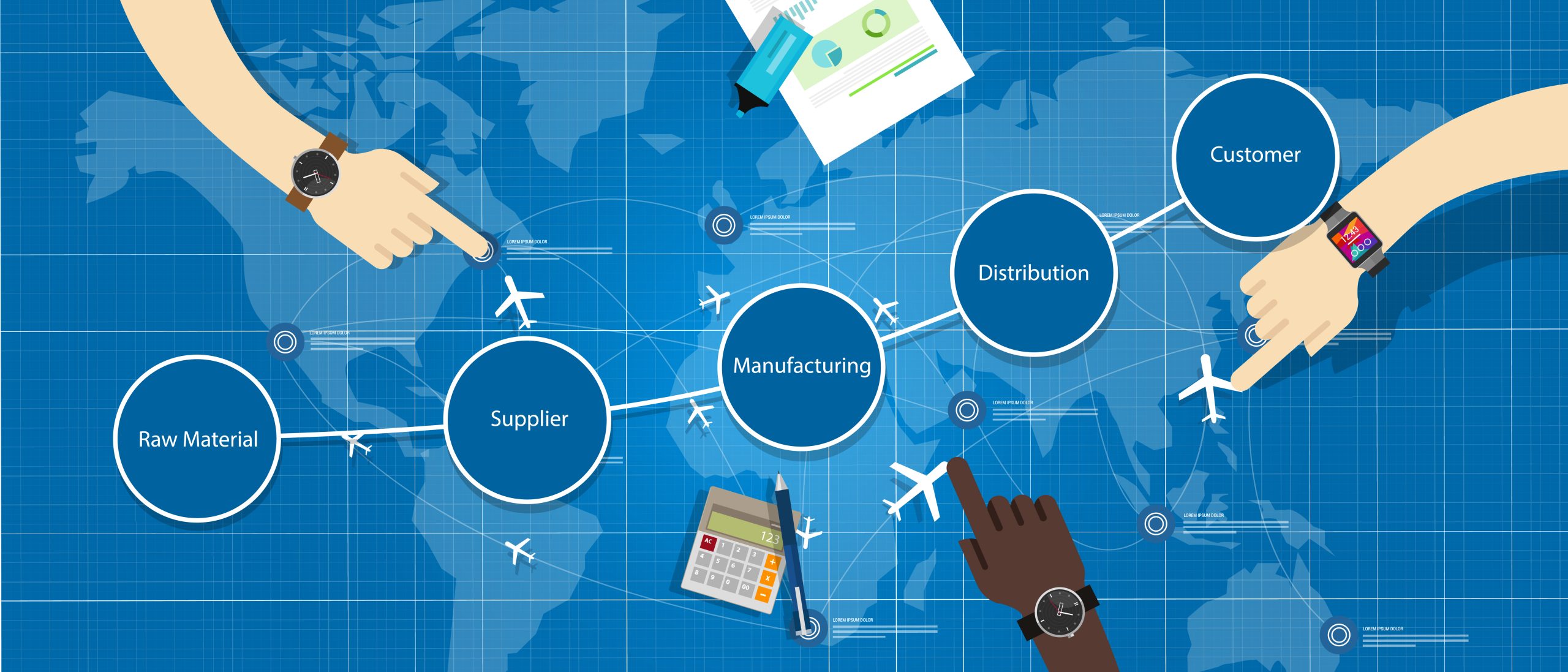
With so much confusion over the FDA’s FSMA food traceability requirements, companies need to begin considering standardization. This is especially true for companies with long supplier lines.

This series examines food safety as business infrastructure: the business decisions, governance structures, and operational conditions that determine whether technical food safety systems can hold under production pressure. The first three articles followed the record inward—from the corrective-action log, through the cost of repetition, to what growth asks a system to carry. This article follows that same operational reality outward.

The future of traceability in foodservice won’t be defined by replacing existing systems. It will be defined by connecting them, allowing information to move securely between suppliers, operators, delivery partners, and customers while each continues using the technology that best supports its business.
Food safety audit failures repeat year after year because they’re behavior problems, not protocol problems. The compliance gaps auditors document result from daily habits that erode under production pressure and unsupervised moments. Facilities that break the cycle invest in training that builds compliant behaviors through regular on-the-job practice, not periodic knowledge events.
New award will recognize food and beverage organizations applying innovative technology to strengthen food safety performance