
The updated compliance program will focus exclusively on monitoring pesticide residues in foods. To reflect this, the program has been renamed “Pesticides in Human Foods – Domestic and Import.”
The discussion paper includes information and questions to help inform FDA’s engagements with stakeholders, including the upcoming virtual FDA-led public meeting on June 15th.

This work will inform the agency’s upcoming post-market safety assessment of the food contact uses of phthalates, which is part of the agency’s commitment to ensuring that chemicals in the U.S. food supply remain safe as new scientific information becomes available.

Fly control is a critical food safety requirement for food processing facilities. As temperatures rise, fly breeding cycles accelerate, increasing the risk of pathogen transfer (including Salmonella and E. coli), audit findings and FSMA or GFSI nonconformities
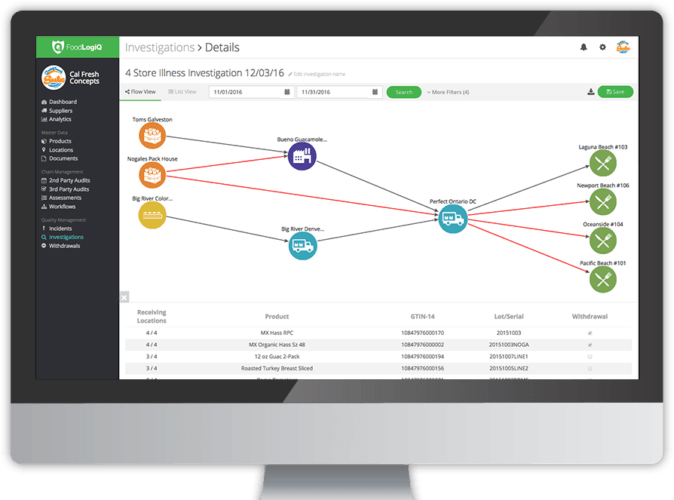
Starfish Network recently conducted an analysis of the benefits of traceability solutions. This study surveyed professionals across various food-related sub-industries, including produce, meat, seafood, dairy, eggs, packaged & manufactured goods. The surveyed companies spanned across production, logistics, retail, and services functions across the industry value chain.
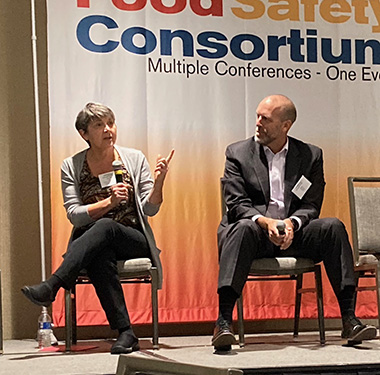
The conference’s mission is to elevate industry standards, and the exploration of key scientific and regulatory developments impacting public health and safety and its implications for food production.

Food safety programs are often evaluated through the strength of their technical controls, yet many organizations still experience instability as systems scale. This article examines the underlying governance conditions that determine whether food safety programs function consistently in real operational environments. Understanding this structural layer can help organizations stabilize food safety systems and support long-term operational resilience.

Since the last FDA announcement on March 15, 2026, two (2) additional illnesses have been reported. A total of nine (9) people infected with the outbreak strain of E. coli have been reported from three (3) states. Illnesses started on dates ranging from September 1, 2025, to February 20, 2026. Three (3) people have been hospitalized and one (1) person developed hemolytic uremic syndrome (HUS), a serious condition that can cause kidney failure. No deaths have been reported. Over half of the illnesses are in children under five (5) years old.

The white paper, argues that the United States’ fragmented federal food safety system—split across more than 15 agencies (primarily FDA and USDA FSIS), 30+ laws, and numerous interagency agreements—creates inefficiencies, duplication, regulatory gaps, and preventable public health harms. Advocating for a unified federal food protection entity integrating safety, defense, authenticity, and infrastructure protection, the authors propose five core reform directives and four prime outcomes: better public health protection, reduced burdens, enhanced resilience against threats, and a modern, science/risk-based 21st-century system.
This study sought to identify environmental factors that significantly contribute to the introduction, persistence, and spread of foodborne pathogens that could contaminate produce prior to harvest. Increasing FDA’s understanding of the ecology of this growing region as it pertains to foodborne pathogens is to the benefit of consumers, producers, academia, and food safety officials as it allows for continued improvement in best growing practices to enhance food safety.