
The U.S. is catching on, using Yelp to check health inspection scores for eateries in San Francisco, Louisville, Kentucky, and several other communities.
The company has broadened species identification product line created in partnership with University of Guelph and plans to release additional test kits during the year.
Chicago-based El Cubano Wholesale Meats is recalling 169,620 pounds of beef products that may be contaminated with E. coli O157:H7 according to the Illinois Department of Agriculture.
When it comes to getting your product off the shelf and into consumers’ homes, color has a lot to do with first impressions. So when deciding on packaging or even food coloring, what colors should food manufacturers choose?
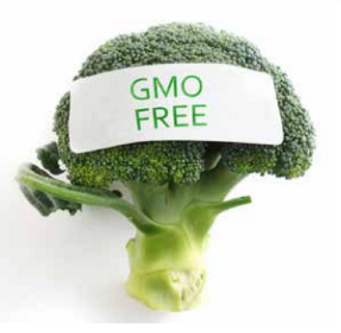
The GMO issue is becoming the most expensive, contentious and important debate in the history of the natural products industry, as more and more food companies are exploring ways respond to the growing consumer demand for information about GM status on a “right-to-know” basis.
According to the CDC and the Kansas Department of Health and Environment, five patients who were treated in a single hospital in Kansas were infected with one of four rare strains of Listeria monocytogenes.

I love the term honey laundering, and in this continually growing food fraud scandal wouldn’t it be wonderful, almost romantic, if it were actually the bees that were perpetrating the crime and making all the money? I took some time to look into the background of honey adulteration, literature and analytical methods, specifically an isotope ratio mass spectrometry; (IRMS) method which I know is used routinely for product authentication in the food safety testing market.
While As You Sow, a non-profit, described titanium dioxide as a “whitening agent that is commonly a source of nanomaterials,” Dunkin’ argued that it is not a “nanoparticle” as defined by FDA.
In the fourth quarter of 2014, undeclared allergens accounted for 50 percent of all FDA food-related recalled units and 83 percent of USDA recalled units.
Millennials are definitely changing the landscape of the food industry. What do they care about when it comes to food, and what does this mean for food manufacturers?