

The holiday season is a busy time for pests. As they begin their search for warmth, it’s important to be aware of their activity and help prevent your food processing facility from becoming the next holiday home for the pests this year.
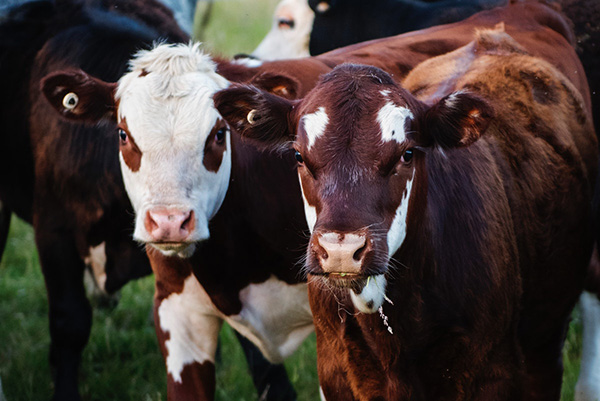
Repeated oral exposure to H5N1 influenza virus in pasteurized milk does not cause adverse responses to subsequent influenza infection

The petition references research estimating that endocrine-disrupting chemical exposure costs the U.S. over $340 billion annually in healthcare impacts. Vinyl gloves, while appearing cheaper, increase contamination risk, recall liability and waste.
“Government departments and agencies serve all citizens – republicans and democrats. This type of partisan rhetoric undermines trust in government and may violate the law.” Sandy Eskin, former Deputy Under Secretary for Food Safety at USDA
Due to the absence of either a fiscal year 2026 appropriation or a Continuing Resolution, only certain government activities will continue. While FDA will continue to conduct foodborne outbreak surveillance and response activities, the CORE Investigation Table will not be updated weekly during this time.
From food safety and quality to food defense, integrity, and physical and digital security, the system continues to operate in silos. More than ever, there is the need for a unified, risk-based U.S. food protection system.

Recent scientific developments in food allergen thresholds have prompted the FDA to explore how these thresholds can improve food safety, enhance labeling practices and help consumers make more informed choices. The purpose of the public meeting and listening sessions is to discuss strategies for approaching food allergen thresholds to benefit public health.

Expanded Services Aim to Improve Certification Audit Readiness and Compliance with Global Food Safety Standards
No company is going to say publicly they would not make a choice to chase. It’s unethical, and bad business practice. However, it’s their actions which are telling. How they chase is what matters.
FoodNet has reduced surveillance to just two pathogens: salmonella and Shiga toxin-producing E. coli (STEC). The CDC said “Funding has not kept pace with the resources required to maintain the continuation of FoodNet surveillance for all eight pathogens.” The change wasn’t previously been made public.