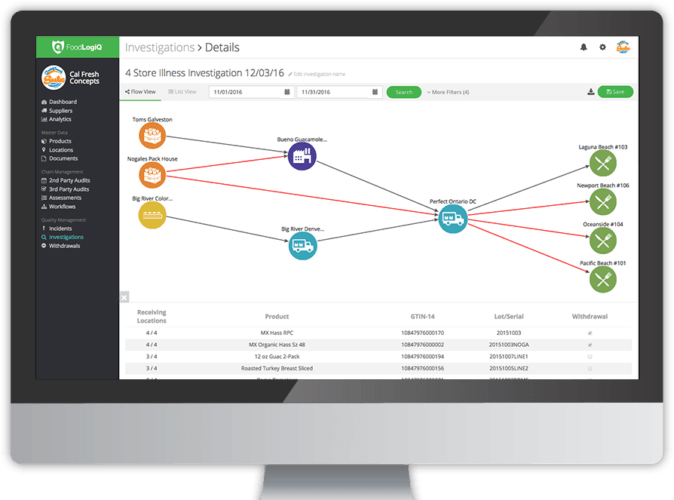
Most food and beverage organizations consider traceability requirements an expensive, time-consuming regulatory obligation. However, early adopters will win customer commitments and solidify a competitive advantage as the sector becomes more transparent.

Proprietary supplier audits can be beneficial in helping organizations benchmark competency against standard requirements. These audits, while not considered certifications, can be used to better understand the supplier base and build confidence across the supply chain.
Preparing for FSMA 204 requires a multifaceted approach that combines technology, data standardization, and employee engagement. By investing in solutions that streamline reporting, enhance data consistency, and bring employees along through training and education, F&B companies can position themselves for success. These actions will help ensure compliance with FSMA 204 and lead to more efficient, transparent, and resilient supply chains, ultimately improving food safety for consumers.
The guidance document describes FDA’s policy regarding participation in FDA’s Voluntary Qualified Importer Program (VQIP) by importers of food for humans or animals.
Partnership for Food Traceability seeking members to play key roles in decision-making.
Most suppliers are stuck in the past with legacy processes and are unprepared for change despite a willingness and understanding on the benefits for modernizing
The FDA’s Food Safety Modernization Act (FSMA) is designed to enhance food safety by establishing and regulating traceability requirements. The act mandates that all parties in the supply chain share critical information to address potential food safety issues. This article discusses FSMA requirements for comprehensive recordkeeping, including defining Critical Tracking Events (CTEs) and Key Data Elements (KDEs). It highlights the crucial role of Electronic Data Interchange (EDI) in meeting compliance and optimizing food traceability. EDI automates data exchange, improves visibility, simplifies compliance, and enables rapid outbreak response. By investing in EDI technology, organizations can establish a strong foundation for complying with FSMA regulations and ensuring food safety.

A happy hour conversation with Food Safety Tech’s Rick Biros and David Acheson, President and CEO of TAG called “It’s 5 o’clock somewhere!” Podinar Broadcast: Thursday, August 22 at 5 o’clock EST.
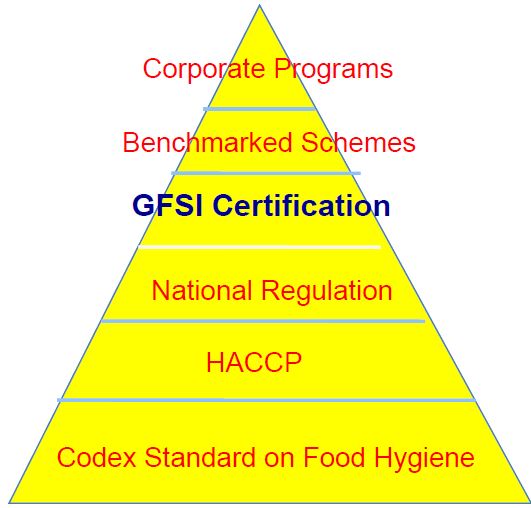
This paper compares U.S. food laws with GFSI standards, highlighting their respective strengths and weaknesses. U.S. food laws provide a legally enforceable, standardized framework that ensures consumer protection and public accountability. Conversely, GFSI standards offer flexibility, global recognition, and industry-driven innovation, albeit at higher costs and with less enforcement power. The U.S. food safety system, despite its complexity, delivers robust protection through comprehensive federal regulations. A balanced approach that integrates the strengths of both systems could optimize food safety, leveraging legal enforcement and global industry standards.
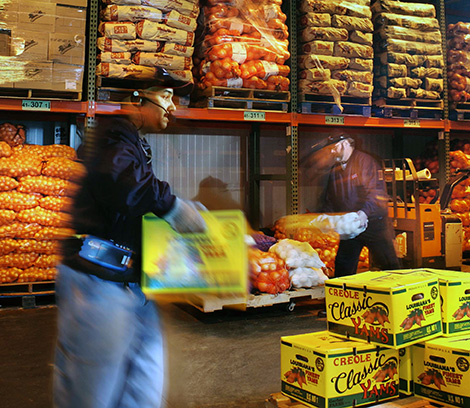
A gap assessment can help determine what requirements existing traceability programs already meet and identify where improvements are needed to comply with the final Food Traceability Rule by the January 2026 deadline.