
FSQA executives are prioritizing digitization, data integration, and predictive technologies, not as “nice to have” tools, but as foundational capabilities for protecting public health and brand trust. Over the longer term, organizations that adopt preventive, data-driven food safety systems early are expected to experience fewer large-scale recalls and more targeted product withdrawals, reducing both public health impact and business disruption.
FDA encourages eligible food importers to take advantage of this extended application window to apply for FY2027 VQIP benefits.
Inspections began to decline in early 2025, after 65% of the staff in the FDA divisions responsible for coordinating travel and budgets left or were fired in the name of government efficiency. Because of staff reductions, investigators suddenly had to book their own flights and hotels, obtain diplomatic passports and visas, and coordinate with foreign authorities. While the rate of foreign inspections had significantly decreased, domestic inspections have continued almost uninterrupted.
From food safety and quality to food defense, integrity, and physical and digital security, the system continues to operate in silos. More than ever, there is the need for a unified, risk-based U.S. food protection system.
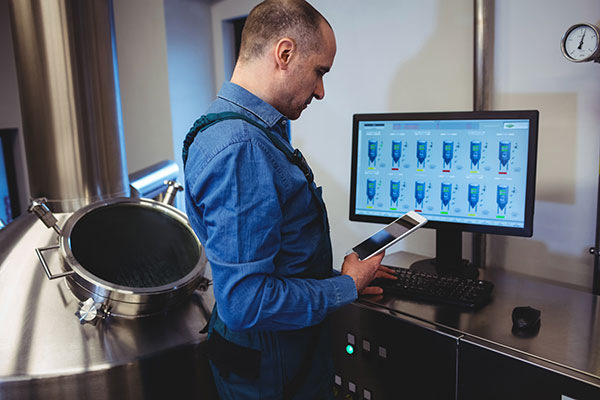
The challenge before us is simple but daunting: can the food industry shift from a reactive mindset — responding after the fact — to a predictive and preventive one, powered by data? What’s Holding Us Back? The barrier isn’t the lack of technology. The tools exist. The real problem is data fragmentation and trust.

Every step in the food supply chain matters — and packaging is crucial to keeping it safe and efficient. Discover how traceable packaging technologies help manufacturers meet global safety standards and win consumer trust in seconds. This article unwraps the strategies that make packaging a powerful asset for compliance and competitive advantage.
The U.S. Food and Drug Administration (FDA) is announcing the fiscal year (FY) 2026 user fee rates for importers approved to participate in the Voluntary Qualified Importer Program (VQIP) and accreditation and certification bodies interested in participating in the Accredited Third-Party Certification Program (TPP).

Sorting Through the Confusion of the FDA’s New Traceability Rule for Added Food Safety
VQIP is a fee-based program that offers importers an opportunity to expedite the review and importation process of human and animal foods into the United States by demonstrating and maintaining control over the safety and security of their supply chains.
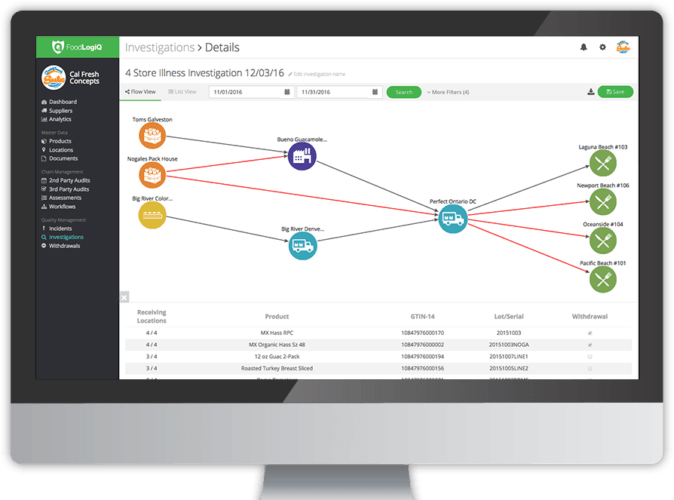
Most food and beverage organizations consider traceability requirements an expensive, time-consuming regulatory obligation. However, early adopters will win customer commitments and solidify a competitive advantage as the sector becomes more transparent.