

There are two big mistakes manufacturers are making with FSMA 204. The first is assuming that because you’re FSMA-compliant, you’ll be compliant with Section 204. The second is thinking about the rule as an internal issue that can be solved with better recordkeeping. When the FDA shows up with that traceability request, you’ll be expected to provide an electronic sortable spreadsheet with key details within 24 hours. In order for you to obtain that information quickly – and in the correct format – your suppliers and vendors will also need to be in compliance with the rules.

With so much confusion over the FDA’s FSMA food traceability requirements, companies need to begin considering standardization. This is especially true for companies with long supplier lines.

The future of traceability in foodservice won’t be defined by replacing existing systems. It will be defined by connecting them, allowing information to move securely between suppliers, operators, delivery partners, and customers while each continues using the technology that best supports its business.
Food safety audit failures repeat year after year because they’re behavior problems, not protocol problems. The compliance gaps auditors document result from daily habits that erode under production pressure and unsupervised moments. Facilities that break the cycle invest in training that builds compliant behaviors through regular on-the-job practice, not periodic knowledge events.
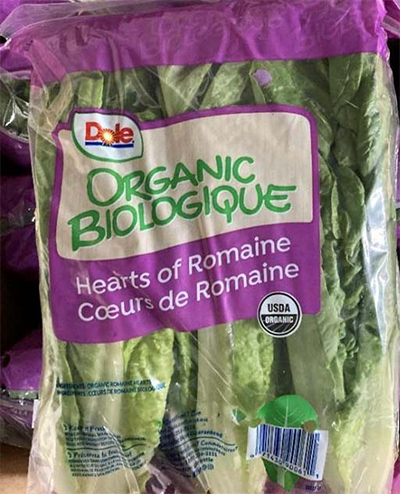
The final guidance reflects public comments received on the October 2018 draft guidance and replaces the 2008 FDA fresh-cut produce guidance. This guidance represents the agency’s current thinking on the issues related to preventing contamination in fresh cut produce. FDA’s guidance documents, including this guidance, do not establish legally enforceable responsibilities. Instead, guidance documents describe the agency’s current thinking on a topic and should be viewed only as recommendations, unless specific regulatory or statutory requirements are cited. The use of the word should in FDA guidance means that something is suggested or recommended but not specifically required.

Most food safety culture assessments still lean on annual surveys and self-reported audit responses — snapshots of what people say, taken once or twice a year. Supplier compliance behavior tells a more current story: how fast a vendor answers a document request, how often the same corrective action keeps coming back, and how long a supplier sits in an at-risk tier before anything changes. This article lays out a practical way to read that behavior as a culture signal, based on firsthand work redesigning a risk-tiered supplier verification system across a network of more than 1,000 suppliers.

On June 15, 2026 The FDA held a public meeting to give the public an opportunity to share information on continued implementation of the Food Traceability Rule and areas of remaining concern, specifically as they relate to lot-level tracking and flexibilities for compliance
The discussion paper includes information and questions to help inform FDA’s engagements with stakeholders, including the upcoming virtual FDA-led public meeting on June 15th.

How a chance meeting lead to the sharing of an emotional and powerful food safety story. Was this random hotel elevator connection fate or divine intervention? I don’t know. What I do know is because Dana was willing to talk to a stranger, she was able to share her daughter, Kayla’s food safety story to an audience of food safety professionals and now to you.

Fifteen years after FSMA reoriented food safety around prevention, the technical infrastructure is largely in place. What is becoming visible at this maturity point is the layer beneath it — the business decisions, governance structures, and organizational design that determine whether that infrastructure actually holds under real operational conditions. This five-part series examines food safety through the business realities that leaders already navigate: profitability, risk, growth, brand trust, and organizational function.