Infant food safety, including new arsenic and cadmium action levels, supplements and menu labeling, are among the priority draft and final guidances the FDA plans to address before the end of 2023.
The updated action plan includes refined strategies, a report on accomplishments and three new actions that have been identified by the task force: advancing root cause analyses procedures, building a repository of Cyclospora oocysts that can be used for research and advancing the methods to conduct such research.

The study found that Listeria serotypes were inherent in the facilities and moving from zone 1 to 3, and all isolates obtained from the environment after cleaning were sensitive to biocides.

The agency will continue to monitor arsenic in apple juice samples and if testing identifies inorganic arsenic in apple juice above 10 ppb, the FDA will consider this action level, in addition to other factors, to determine whether to take enforcement action.

Ben Pascal, head of xPRO at bioMérieux, discusses challenges and recent advances in the development of molecular assays, and how predictive diagnostics are helping companies improve quality and make more informed decisions about their products.

Both the U.S. Congress and the FDA are working to expand regulation of foods for infants and young children, with a specific focus on heavy metals in foods intended for those under 36 months.
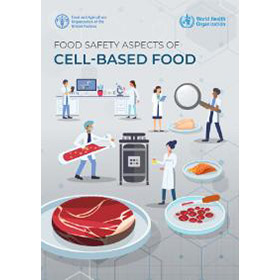
The Food and Agriculture Organization of the United Nations (FAO) and the World Health Organization (WHO) have published a report on the safety of cell-based food. The report highlights potential hazards—the majority of which exist in conventional food products—as well as potential mitigation and control efforts.

The food industry is facing unprecedented challenges when it comes to ensuring the safety and security of the global food supply chain. A risk-based approach focused on prevention, continuous improvement, and stakeholder collaboration is needed to be proactive in identifying and managing potential risks throughout the food supply chain. By adopting new practices, the food industry can ensure a safe and secure food supply chain.

“Bringing together Blonk and Mérieux NutriSciences is an exciting step in strengthening and accelerating our contribution to the sustainability of food systems.”

Food inflation can make it more difficult to maintain food product quality, safety, and transparency and lead to an increased risk of food fraud. Manufacturers and suppliers must remain extra vigilant and take proactive steps to mitigate the risks posed by stubbornly high food inflation and increasingly complex supply chains. The following four steps are key to protecting your products and your business.