
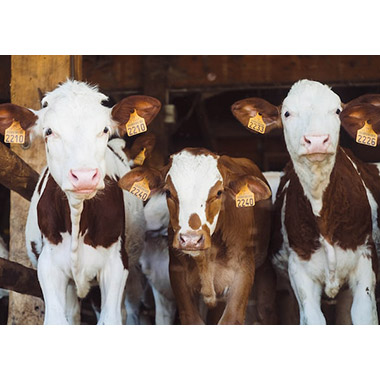
The report looked at trends in Salmonella serotypes and antimicrobial resistance (AMR) in certain food animal species and products sampled from 2014 through 2019 as part of FSIS NARMS sampling.

Environmental Monitoring Programs have become an increasingly vital part of a Food Safety Plan. Unfortunately, they are often poorly designed and incorrectly scoped. Understanding the true purpose of these programs is key to success.
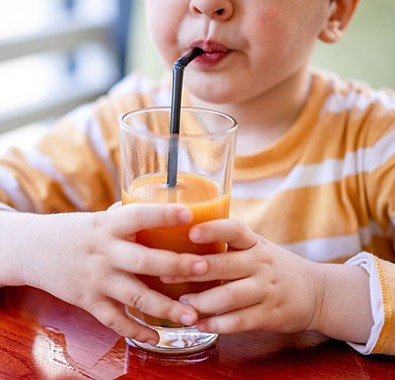
Members of the FDA will discuss the recent draft guidance on lead action levels for foods intended for children less than two years of age, and address questions and comments submitted by industry.

Walter Brandl, Regional Director of Chemistry, North America, at Mérieux Nutrisciences, shares the experiences that prepared him for a career in food contamination detection and determination, and looks at the evolving role of third-party testing in food safety.

Mycotoxin contamination of crops and food threatens human, animal, and economic health. To protect human and animal health, testing is required. However, mycotoxin testing is challenging and getting more complex owing to increasingly stringent regulations, emerging mycotoxins, and the drive for greater testing productivity. Here we discuss how advanced detection tools and workflows can help testing labs overcome these challenges to better protect global food safety.

The FDA has completed its first pre-market consultation for a human food made from cultured animal cells, announcing that it is satisfied with the safety of UPSIDE Food’s lab grown poultry product.

“Certified is well-positioned as a leading provider of differentiated lab testing services, and I see immense opportunity in serving our growing end markets through continued M&A and service expansion, all supported by an excellent team.”

Learning from the past year will play a pivotal role in survival for brands, companies and establishments.
The agency’s CORE Network will use the tool to communicate foodborne illness outbreak information with the public as soon as FDA begins an investigation.
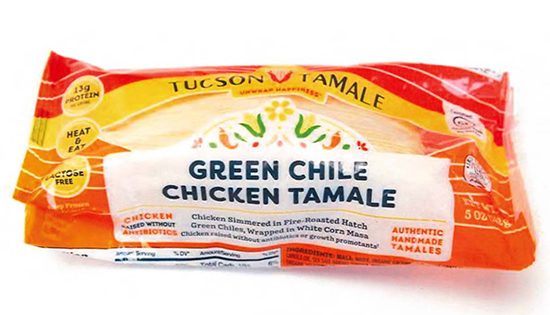
The ready-to-eat chicken and pork tamales contain diced tomatoes in puree that were recalled by the producer for possibly containing hard plastic.