





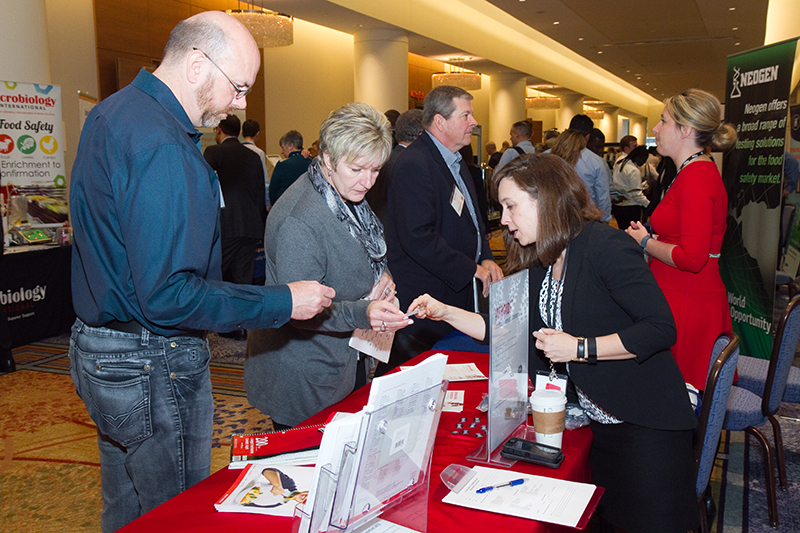





Image credits: Food Safety Tech and amyBcreative


Image credits: Food Safety Tech and amyBcreative
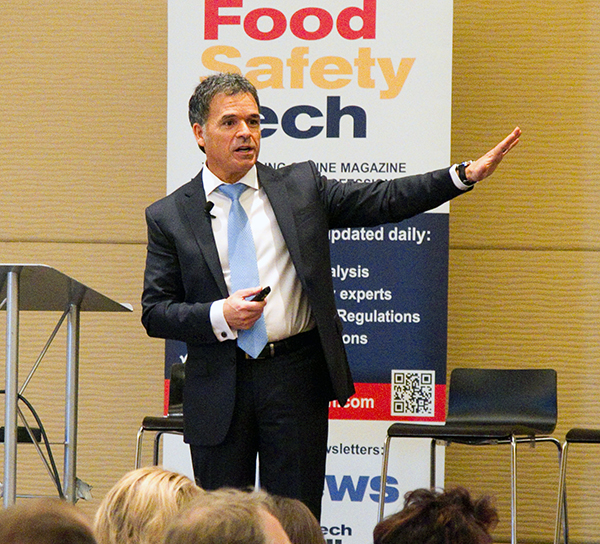
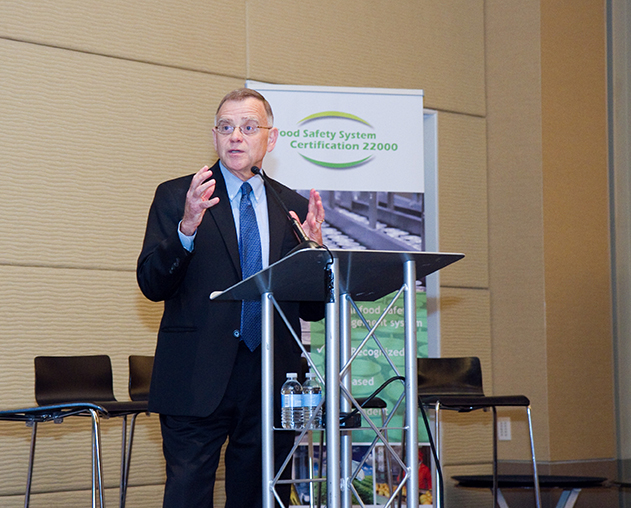
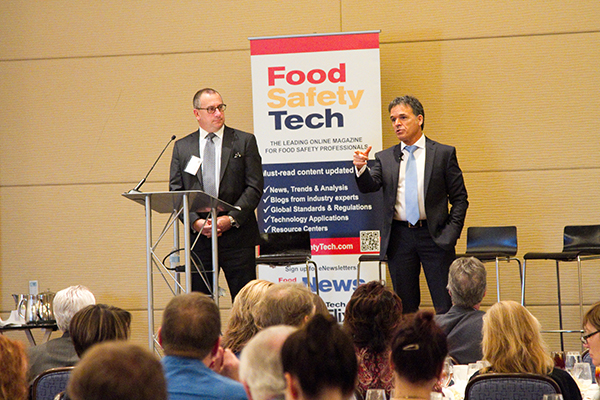
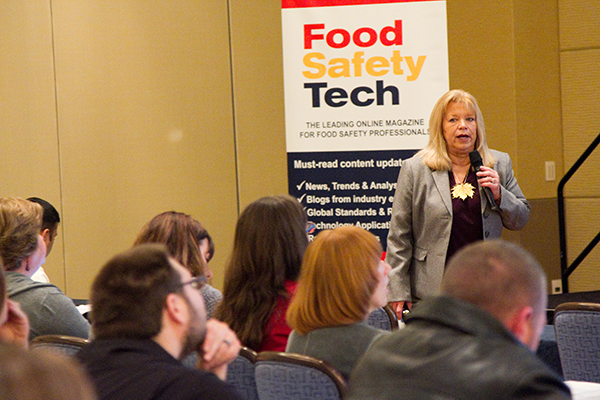
Are we winning the battle against foodborne diseases? How are we going to get better at this? How do you change employee behavior within food organizations to ultimately make food safer? Frank Yiannas, vice president of food safety at Walmart, posed these questions to a captive audience last week at the Food Safety Consortium. “Human behavior can be contagious,” said Yiannas. “Food safety can be caught not only taught.”
While industry has increased its efforts in training, inspections, and microbiological testing, little progress has been made in lowering the rates of foodborne diseases over the past decade. As the global food system continues to change and grow at a rapid rate, a shift in the mindset of food safety managers—from process-focused to behavior-focused—needs to occur to facilitate a food safety culture that will in turn create a safer food supply, said Yiannas. He reviewed four tools that companies can use to implement a behavior-based food safety management system.
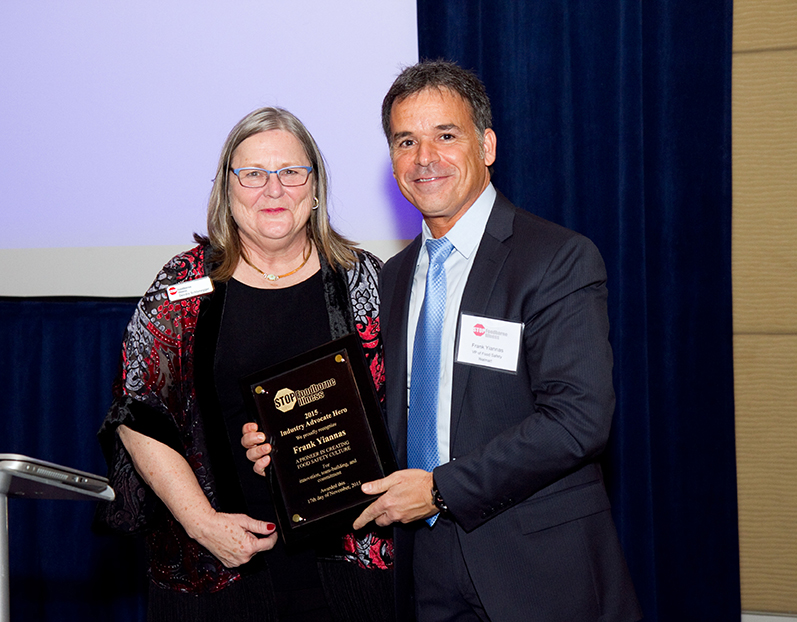
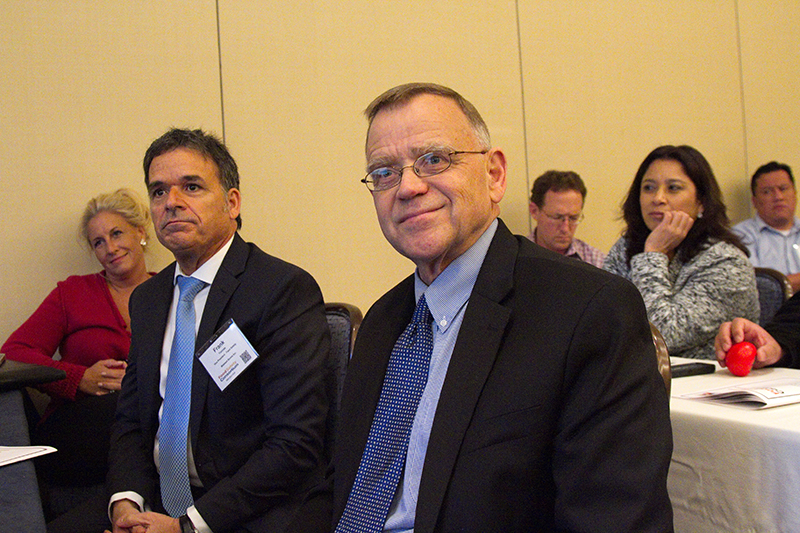
Frank Yiannas also received the 2015 Industry Advocate Hero award from STOP Foodborne Illness during the consortiumThe question of metrics in food safety culture often arises, as there is no defined way to measure employee behavior. Yiannas encouraged the audience to conduct a food safety culture survey within their organizations and ask the scary questions. “You need to have the courage to hear the truth,” he said.
All images by amyBcreative photography
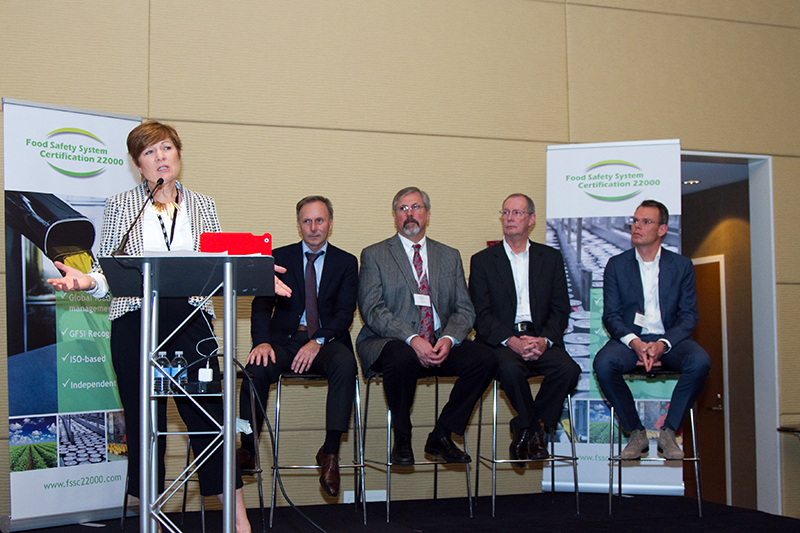
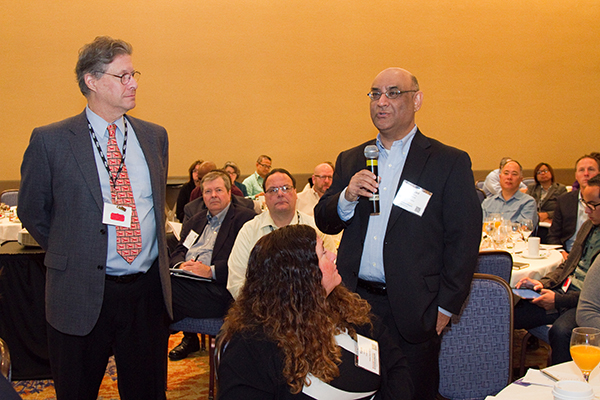
Ideally, FDA wants to have the ability to use metrics for monitoring and measuring reductions in foodborne illnesses. However, this is extremely difficult right now, according to Michael Taylor, FDA deputy commissioner for foods and veterinary medicine. At the 2015 Food Safety Consortium, Taylor responds to an audience question of whether metrics for FSMA compliance have been established.

Listen to a 3-minute interview with industry expert Professor Amadeo R Fernandez-Alba from the EURL Reference Laboratory as he discusses trends in pesticide analysis. View here.
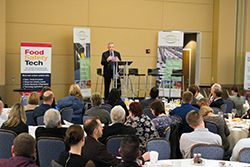

Four years in the making and the FSMA implementation journey has begun. Michael Taylor, deputy commissioner for Watch Part II of Taylor’s speechfoods and veterinary medicine at FDA, describes, from a high-level perspective, what lies ahead in his first public speech since five of the seven rules were finalized. The following video is Part I of Taylor’s speech at the 2015 Food Safety Consortium conference.


Laboratories play a key role in FSMA, including providing data and analytical support, and assistance in surveillance and outbreak activities.
According to Palmer Orlandi, Ph.D., acting chief science officer and research director at FDA, success in the laboratory to support all the activity involving FSMA hinges on the following:
Establishing uniform standards of performance surrounding data quality and sharing, and ensuring that data has been verified and can be trusted lay the groundwork for data acceptance. Orlandi discussed the process of establishing data acceptance criteria at the 2015 Food Safety Consortium conference.

Several different approaches can be used to verify authenticity of food, from a heteroduplex assay to microsatellite analysis. In part II of a presentation by fruit juice and authenticity expert David Hammond, Ph.D. of Eurofins Scientific at the 2015 Food Labs Conference, learn about the DNA methodologies as well as the proactive steps that companies should be taking to prevent food fraud or economically motivated adulteration of product.
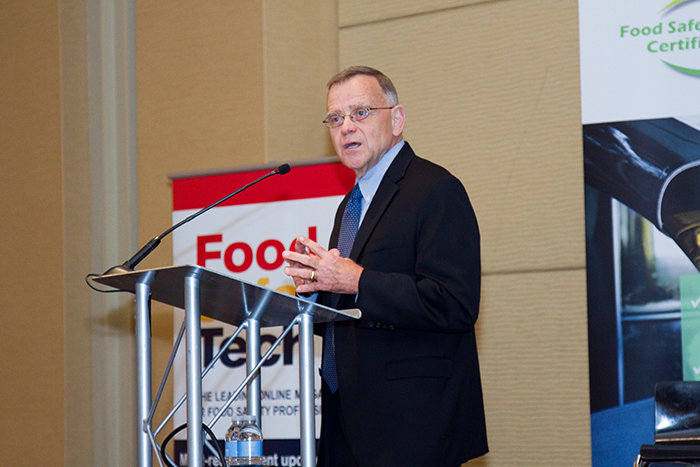

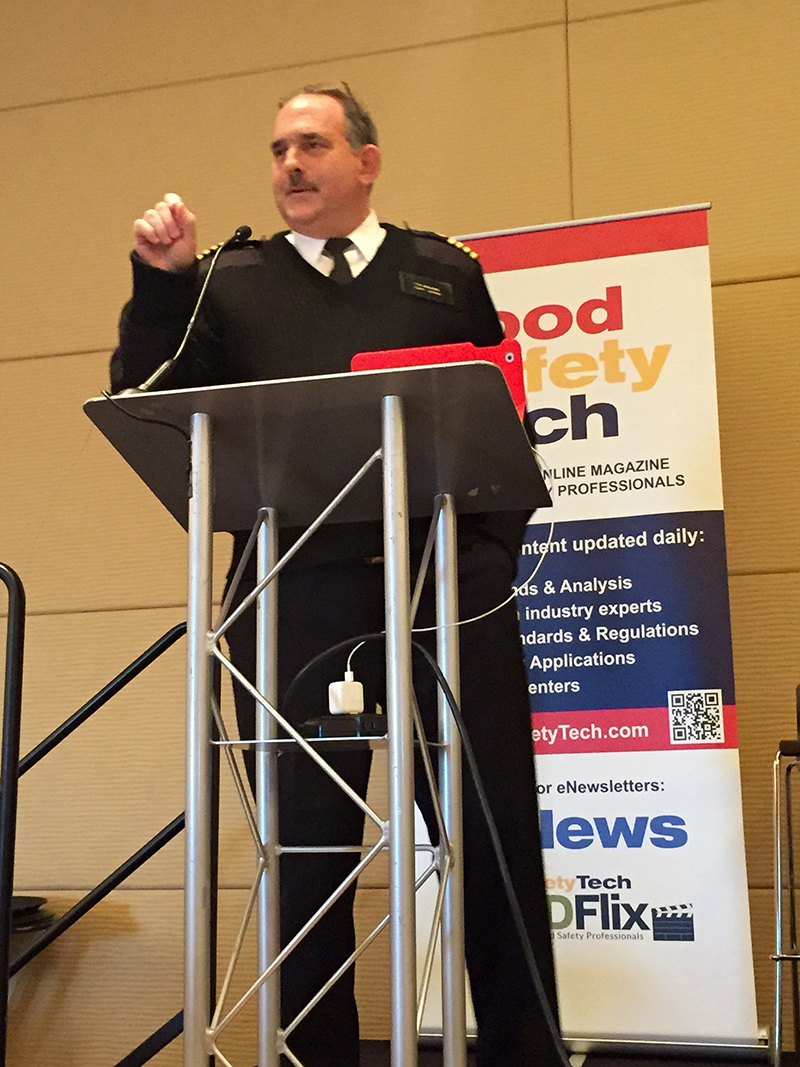
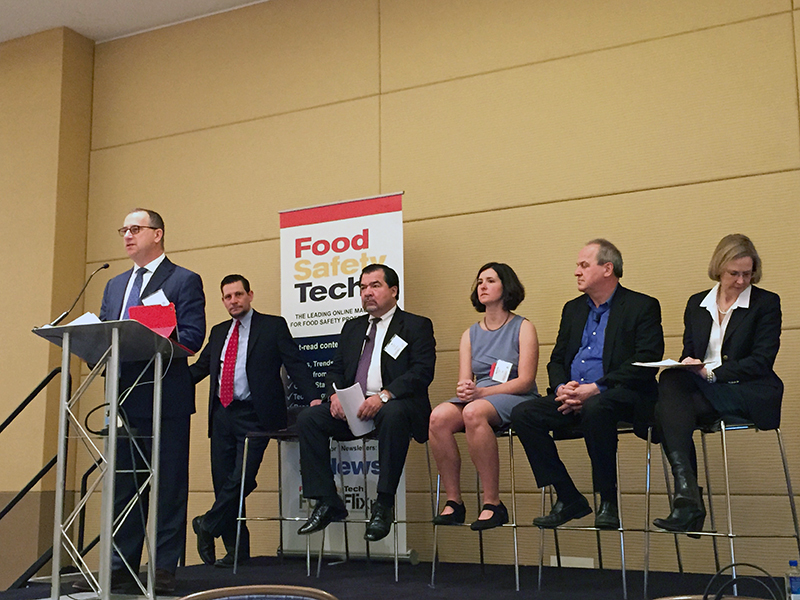
FSMA isn’t about zero risk but rather minimizing the hazards, said Michael Taylor, FDA’s deputy commissioner for foods and veterinary medicine at the opening of the Food Safety Consortium conference yesterday. “We have hundreds of thousands of businesses that are subjected to something that they weren’t before,” said Taylor. “The reality is, we’re still going to have outbreaks this year and the next year.”
In his first public speech since three final FSMA rules (on produce safety, foreign supplier verification, and accredited third-party certification) were filed on the Federal Register last week, Taylor shared some of the highs of the formation of the regulation as well as the challenges that are to come with implementation. “Many of us who were involved in the process 20 years ago didn’t imagine we’d get here today,” he said.
Right now FDA is looking at the big picture challenge of preparing the agency and industry, and actually getting the work done. Taylor called the implementation challenge “enormous”, thanks to the significant scale of the food system, and said the import piece of the regulation will take the most hands on deck. The ultimate goal of FSMA is real-time prevention versus reaction, and the regulation will require a lot of change within FDA. According to Taylor, the agency is revamping its internal management processes, along with its training and orientation programs, which also includes food safety culture training. Other activities include restructuring the inspection and compliance approach by realigning its field force to have fully specialized teams of inspectors.
One of the challenges that industry sees is the mindset shift in investigators from a resolutions approach to a systematic approach in assessing systems. When asked how FDA will get investigators to this level, Taylor admitted he was a lot more worried about the issue than he is now. The district folks in the front line are enthusiastic about the new approach and feel empowered by FDA’s new mission, he said. And while he didn’t want to be a Pollyanna about the extent of the effort, FDA knows that the agency workforce will not be 100% aligned on day one of implementation and is managing the process with this awareness.
Voluntary compliance is key, and while the weight of ultimate accountability stands on the shoulders of food and beverage companies, success cannot happen without collaboration with FDA. “We are convinced we’ll get 90% of the job done by working with those who are committed to doing the right thing,” said Taylor. “When that fails, there are other ways to deal with that issue.”
All images by amyBcreative photography.
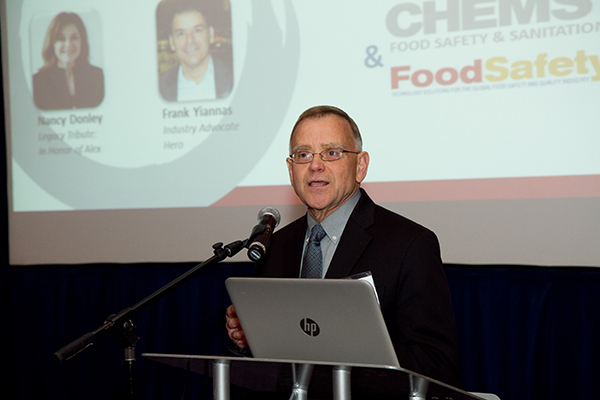

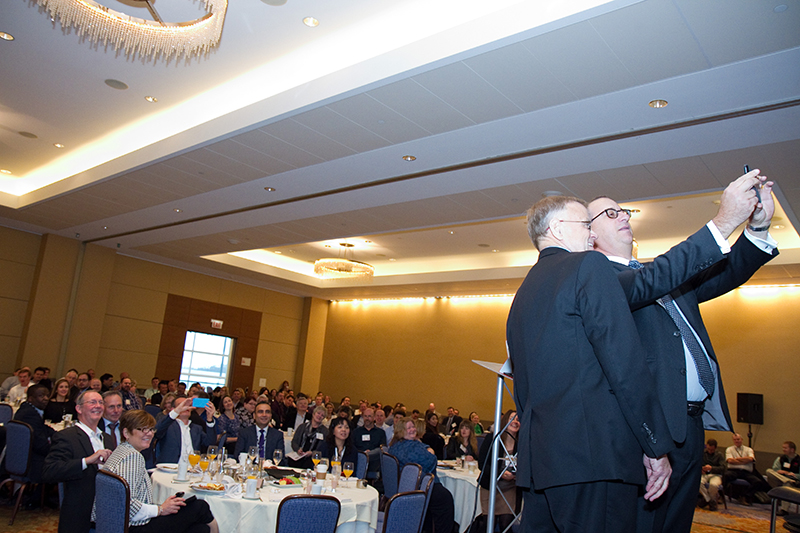
Last night at the Food Safety Consortium, STOP Foodborne Illness held a fundraiser to honor those who have dedicated their careers to raising awareness of foodborne illness and promoting a food safety culture. Here are some moments from the event.
All images by amyBcreative photography


Some polar ionic pesticides and their associated metabolites are not “amenable” to common multi residue methods, such as QuEChERS. These compounds need alternative extraction conditions for improved recovery and/or alternative separation conditions for improved retention and/or peak shape. Currently the polar pesticides tend to be treated as a series of selective single residue methods adding significant cost to the analysis and therefore, are often excluded from pesticide monitoring programs. At Fera we have coupled the QuPPe generic extraction conditions with determination by suppressed ion chromatography tandem quadrupole mass spectrometry. This presentation will describe our experiences and challenge faced in implementing this method, presenting validation data in a cereals matrix. View the presentation here.