

Tag Archives: Food Safety Consortium

Elise Forward, Forward Food Solutions
FST Soapbox

How to Build, Change and Mold Food Safety Culture

By Elise Forward
No Comments
Elise Forward, Forward Food Solutions

Food safety and quality professionals are change agents and problem solvers. It is what we do. The manner in which people within an organization respond to change, problems and opportunities for improvement is a reflection of the food safety culture of the organization. Does your organization celebrate when someone correctly decides to shut production down or put a product on hold? Obviously, it is always best to prevent any issues before they arise, but stopping a line to prevent bad product from being produced or catching out-of-specification product before it leaves the facility is better than continuing to produce and ship bad product. These events are often viewed as negative occurrences, and, therefore, many do not see the value of the Food Safety/Quality Assurance department.

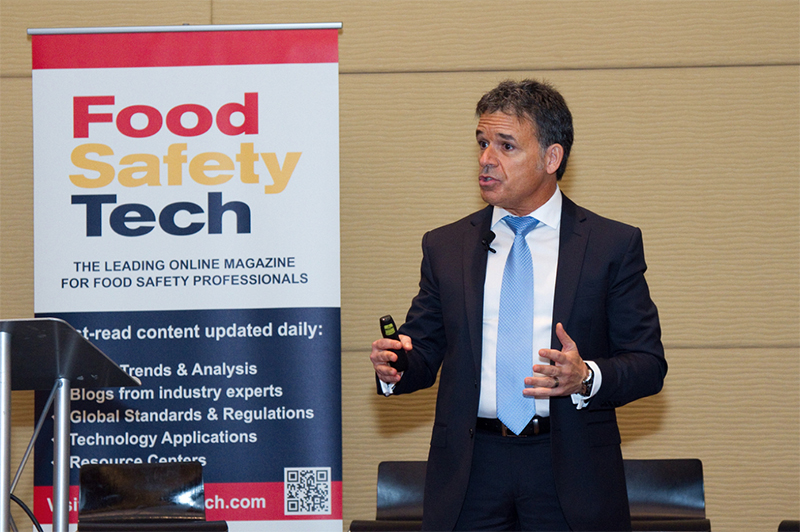
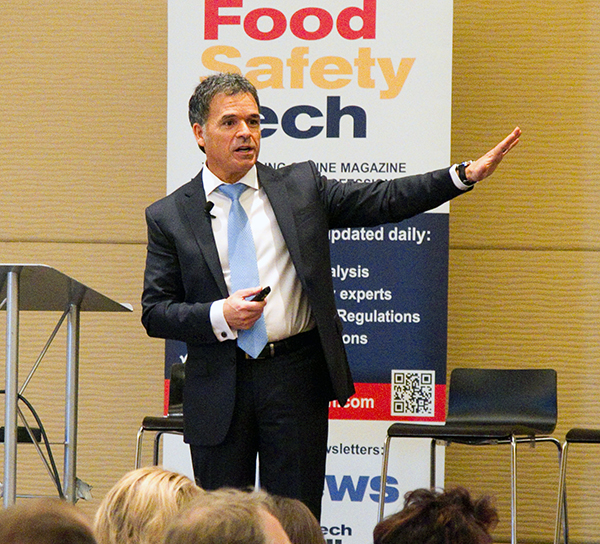
Elise Forward will be speaking at the 2016 Food Safety Consortium, December 6–7 in Schuamburg, IL | LEARN MOREHow can we change this viewpoint and positively affect the food safety and quality culture of the organization? A few key factors have a great impact on the culture of an organization. People, systems, access to resources and opportunities for growth are all integral pieces of a stellar food safety culture. In this column, the first of a two-part series, we will explore how people build, change and mold the culture.

First and foremost, people are the number one asset and provide the greatest impact to change. Not only are personnel the eyes and ears of an organization, but they also provide the logic required to make good decisions. Computer technology is amazing, but it cannot fully replace the human ability to process the information. People need to be used to their fullest potential in order to obtain the greatest impact. The following are some ways people can be used to boost the food safety culture of an organization.

Everyone is involved in food safety. A team is always stronger than individuals. Everyone, from the C-suite to the third-shift person in charge of the employee refrigerator and taking out the trash, to the office staff that answers the phones and opens the mail, needs to have responsibility for food safety. In addition, contractors and subcontractors are not immune to providing a significant role in protecting the food safety of your product. All relevant staff must have the appropriate training to understand that what they do affects the food safety of the product as well as the entire facility. Having everyone trained means that many then share the food safety mentality and, therefore, there are stopgaps in the system. As with many issues, it is not one breakdown of the system that leads to a failure but a culmination of many breakdowns. People are still the strongest asset to food safety, so having multiple stopgaps (i.e., people), involved in protecting the process will help ensure that the product remains safe.

Executive responsibility. The responsibility of the overall food safety of products leaving the facility now lies with the executives, as seen by the recent cases involving Peanut Corporation of America, DeCosters and Jensen brothers. Executives and decision makers are accountable for the presence of or lack of appropriate food safety measures. Therefore, when making changes, executives need to understand that these are personal decisions that could affect themselves and their family, in addition to customer confidence as well as profits and losses. Questions such as, “What happens if their name is plastered on the evening news?” and “How will your customers, investors, consumers react if the company has a problem?” should be asked.

Evaluate any decision for food safety consequences. Food safety and quality is directly related to profits and losses. Any issue or change that arises must be evaluated to determine if there are any impacts to food safety. For example, the purchasing department must understand that the items purchased and used on the production floor impact food safety. Therefore, food safety should be on every agenda and part of every decision. This can be as simple as adding to the bottom of every agenda the question, “Is there any way that food safety will be impacted?” The C-suite members should be included in management meetings where additional food safety discussions occur.

Employee trust. Employees must be trusted to keep the product safe in order to safeguard the business and the products. It is human nature to take pride in the work that we are assigned and to strive for excellence. People feel rewarded when they are trusted and will continue to add value to the organization by striving for continuous improvement. This translates to greater attention to food safety and quality.

If an employee cannot be trusted, this person should not be on the payroll. The Food Defense rules specifically require a company to address intentional adulteration from an internal entity. To ensure quality, background checks should be completed on every employee, contractor or sub-contractor who has access to critical areas of the facility.

Food safety should be in every job description. Food safety is everyone’s job, so update job descriptions to include pertinent responsibilities to food safety. At a minimum, everyone should have the “See something, say something” responsibility in his or her job description, in addition to anything specifically related to his or her job. Likewise, it can be valuable to have an independent set of eyes to evaluate a system. Therefore, train and use all personnel that do not have a background in food safety and quality. Departments such as accounting, warehouse, maintenance and personnel should be trained to perform GMP and sanitation audits. Spread these tasks around and your systems will benefit. The people performing the tasks will take pride at being trusted with these important responsibilities and tasks.

While a company or organization may start in an undesirable situation, it is possible to change the environment. Remember, the people you work with are your greatest asset. Value these people; uplift, teach and coach them in the ways of food safety and quality. Your efforts will produce astounding results! In the second half of the discussion on food safety culture, we will discuss other facets that influence food safety culture.
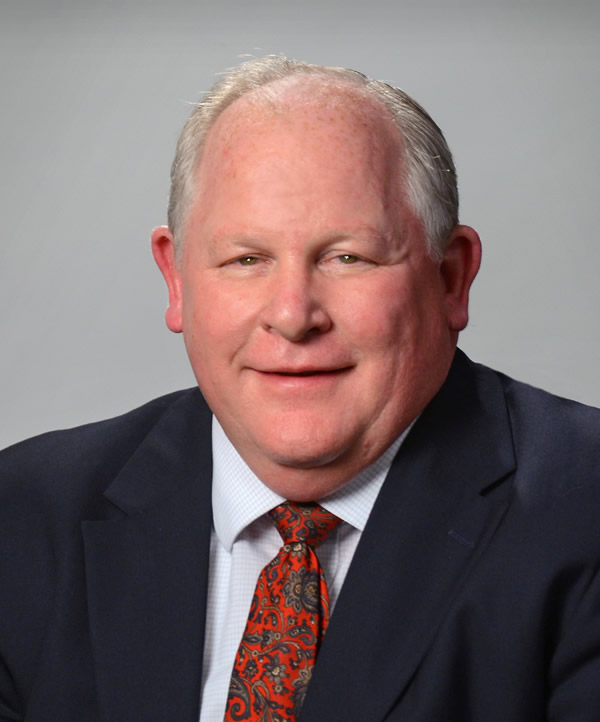

Bill Bremer is Principal, Food Safety Compliance at Kestrel Management LLC
FST Soapbox

Managing GFSI Certification a New FSMA Requirement

By Bill Bremer
1 Comment
Bill Bremer is Principal, Food Safety Compliance at Kestrel Management LLC

Compliance to FSMA requires companies to meet existing program requirements and new ones being published or face regulatory consequences. A part of FSMA also requires that companies follow established food safety plans, which includes GFSI certification.

With these changes, GFSI-level programs must integrate into an aligned Food Safety Management System (FSMS) and strategy. Key considerations include sustainability, multi-year planning, effective organizational structures and expectations, well-defined roles and expectations, compliance, and business objectives.

The value of GFSI certification depends on how the company uses its organizational resources to maximize return on investment, while meeting the changing FDA requirements. Effective management of a GFSI-certified FSMS can have a significant impact on FDA/FSMA compliance. The risk of not meeting established programs while implementing new FSMA programs must be measured, and attention must be given to addressing FSMA compliance, while maintaining established programs.

Complying with FSMA Food Safety Programs
The implementation of FSMA-compliant programs requires having an established GFSI FSMS and demonstrating conformance with one’s own policies. Programs must be maintained and improved as the FSMA requirements are developed and implemented. Each of the GFSI schemes has been vetted to meet a significant level of FDA/FSMA requirements—a key benefit to these industry programs.

Developing a compliant FSMS with proper alignment of your existing programs to FSMA must be assessed. For example, companies with more than 500 employees must include requirements in their programs for the FSMA Preventive Controls rule, which is set for compliance September 19, 2016. In this regard, registered food facilities must evaluate and implement preventive control provisions and meet the requirements by the approaching deadline. This requires effectively updating current programs, establishing key imperatives including cGMPs (Section 117), identifying a Preventive Control Qualified Individual (PCQI), and implementing a Food Safety Plan.

The following areas are all included under the FSMA requirements:

  • cGMP, Controls and Preventive Controls. Must be identified, modified, and implemented to further minimize or prevent the occurrence of hazards based on Section 117 requirements.
  • Food Safety Plan, Hazard Analysis, and HACCP. Companies must identify and evaluate changes in their existing programs to include FSMA Preventive Controls.
  • Qualified Individual. Must be trained with authority to oversee Preventive Control program aspects, developments and impacts.
  • Written Programs and Documentation. Up-to-date GFSI-level FSMS provides documented programs, procedures, and records for meeting requirements under FDA/FSMA.
  • Management & Monitoring. All controls, including under FSMA and existing GFSI-level, must be monitored, validated, and verified for effectiveness.
  • Management of Corrective Actions. Procedures including traceability response for addressing failures of procedures, GMPs and controls must be under management review and confirmed for prevention of adulterated food from entering commerce.
  • Recordkeeping. Records must be complete and accurate for all food production and safety activities and kept for two years, including the testing level verification of all programs under FSMA and GFSI-level programs.

Self-Diagnostic Assessment Tool

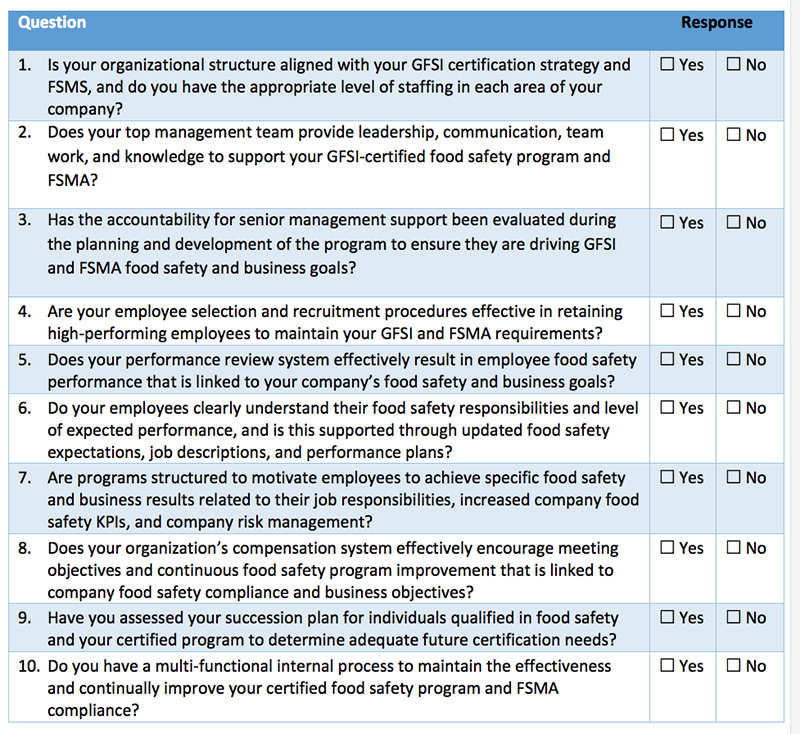
The following self-diagnostic assessment tool can help organizations better determine their current state of planning when it comes to GFSI-level programs meeting FSMA. To complete your own planning assessment, review your progress compared to the questions in Table I.

FSMA, GFSI
Table I. Kestrel Management’s self-diagnostic tool can help a company assess its level of FSMS and GFSI preparedness for FSMA compliance.

Get Compliance-Ready

Companies must have their existing food compliance and GFSI programs in good standing to comply with FSMA or face possible violations, fines and penalties under FDA enforcement. The questions in Table I will help companies identify the areas in which they need to focus attention. Kestrel can also help answer questions, provide input on solutions, discuss how to better manage GFSI certification—and change “No” responses into “Yes” responses that promote best practices for FSMA compliance.

Gina Kramer
Food Safety Think Tank

Rapid, On-site Pathogen Testing a Game Changer

By Gina R. Nicholson-Kramer
No Comments
Gina Kramer

Learn innovative ways to mitigate the threat of Listeria at the Listeria Detection & Control Workshop | May 31–June 1, 2016 | St. Paul, MN | LEARN MOREWaiting days for test sample results can be the difference between keeping consumers safe and allowing contaminated food to enter the supply chain. I recently spoke with Mark Byrne, president and CEO of start-up ProteoSense, about his company’s portable pathogen detection system, which can find foodborne pathogens in food and environmental samples in 15 minutes or less, with no incubation required. Licensed from Ohio State University, the technology, called RapidScan, has unique sensor technology that provides a sensitive and specific assay with very low noise to enable a direct measurement of the presence of a pathogen.

When I asked Mark what effect he thought this technology would have on the food industry, he said: “I think the effect is going to be very profound. First of all, anytime you can give management information quickly, it changes their ability to respond, to take action.”

The technology has the potential to help companies deliver food to consumers safer and faster, and with less waste. Samples can be tested at various parts of the food supply chain, from in the field to final packaging.

RapidScan has been demonstrated for Salmonella, and ProteoSense is working on a Listeria assay. If all goes as planned, we can expect to see the product on the market in 2017. Watch my discussion with Mark to learn more about this innovative technology and how it could help you mitigate risks in your supply chain.


Frank Yiannas, Walmart, Food Safety Consortium

Make Food Safety Culture the Social Norm

By Food Safety Tech Staff
No Comments
Frank Yiannas, Walmart, Food Safety Consortium

WATCH VIDEO I: Apply Behaviorial Science Techniques to Food Safety
Most people are influenced by the behavior that surrounds them, especially in a professional environment. In part III of a video series of his presentation at the 2015 Food Safety Consortium, Frank Yiannas, vice president of food safety at Walmart, discusses the key role that behavioral science plays in food safety culture and how companies can build a stronger culture by considering the principle of social norms.

Yiannas also touches on how learning through the mistakes of others can be an effective teaching tool.

“I think we have to teach food safety the wrong way sometimes to teach it the right way,” said Yiannas. “I think a lot of food safety professionals create curriculum and modules that are teaching it the right way…when the research is clear—teaching the wrong way can be pretty good.”


Gina Kramer
Food Safety Think Tank

Mobile Technology Could Help Your Business in an Outbreak

By Gina R. Nicholson-Kramer
No Comments
Gina Kramer

Join Gina Kramer at the Listeria Detection & Control Workshop, May 31–June 1 in St. Paul, MN | LEARN MOREI recently spoke with Wes Billingslea, one of the co-founder’s of Till Mobile Corp., a company founded because its team realized large brands needed to connect all the way down to the smallholder and grower level. There are more than 6 billion mobile devices on earth and only a small percentage of them are smartphones. Till uses voice, text, and SMS-mobile to enable two-way communication with smallholders, and to deliver visibility and traceability. The company is able to collect massive amounts of data from growers because there is no resistance to using mobile phones. It works with your existing systems to identify and fill data gaps that create risk. The big brands access detailed analytics and can communicate directly throughout their supply chain to accelerate supplier onboarding, support local and alternate sourcing, and check inventory, pricing, and food safety standards.

I asked Wes, as a food company, how could this technology save me money? To start, it allows you to check inventory and pricing, and helps you adhere to your food safety standards beyond the packinghouse or distributor. It can also help you get more out of your existing systems to protect your IT infrastructure.

In the following video, we discuss the Salmonella outbreak in cucumbers that occurred last summer. In such a scenario, this new technology could help save food retailers money during an outbreak or recall by giving them greater visibility and real-time data, and help them source alternatives directly.

Frank Yiannas, VP of Food Safety, Walmart

Use Homophily to Deliver Food Safety Message

By Food Safety Tech Staff
No Comments
Frank Yiannas, VP of Food Safety, Walmart

Watch part I of the video with Frank Yiannas: Apply Behavioral Science Techniques to Food SafetyWho is your company charging with delivering the food safety message? Are they believable? Frank Yiannas, vice president of food safety at Walmart, provides insights about how companies should be spreading their message when implementing a behavior-based food safety program. By applying the principle of homophily, companies (especially global organizations) can communicate more effectively with employees—and in a more believable way.


Mike Hardegree, Proton Towels

Advancing Technology in Disinfection and Sanitation

By Food Safety Tech Staff
No Comments
Mike Hardegree, Proton Towels

“There is a lot of new technology that has taken place in sanitizers, [and] in practices, procedures and protocols to reduce the risk of foodborne illness,” said Mike Hardegree of Tietex International, Ltd at the Food Safety Consortium. “The cotton towel and the disinfecting and cleaning towels most often used are the same ones that have been used for many, many years.”

In the following video, Hardegree and Margaret Hearon, market development manager at Teitex share how the single-use towel technology is reducing the risk of cross contamination.


Gina Kramer
Food Safety Think Tank

Listeria, the Pesky Bug is Everywhere!

By Gina R. Nicholson-Kramer
2 Comments
Gina Kramer

“When a flower doesn’t bloom you fix the environment in which it grows, not the flower.”  A quote, by Alexander Den Heijer, trainer, speaker, purposologist, that rings true in food safety. When there is a contamination issue in food processing, one must fix the environment in which food is being processed. Safe food is a product of a clean environment.

We have better environmental sampling programs in our food manufacturing plants and processing facilities, and we have sanitation standard operating procedures, so why are we seeing a prevalence of Listeria, and in rising numbers?  I recently sat down with Jeff Mitchell, vice president of food safety at Chemstar, about the recent increase in Listeria outbreaks and how you can rid your facility of the dangerous pathogen.

We’re seeing Listeria—in product recalls and outbreaks—over the last couple of years, and in multiple numbers. Why do you think this is happening?

Jeff Mitchell, Gina Kramer, Listeria
My interview with Jeff Mitchell about the increase in Listeria recalls.  Watch the video

Jeff Mitchell: The distribution of Listeria in the environment has not changed, and the processes that we use for processing food really haven’t changed. What’s changed is the way that we collect data. We have PulseNet now, which gathers information. If someone goes to a medical treatment facility with a foodborne illness, they’re going to investigate that and they’re going to get the whole genome sequencing on the pathogen.

There’s a difference between understanding what transient Listeria is and resident Listeria. I think there are a lot of sanitation efforts being put forth to eliminate the resident populations—those are the populations we’re most concerned about, and they’re the ones that are being related back to a lot of these recalls.

If I have resident Listeria in my facility, why can’t I find it?

Food Safety Tech is organizing a Listeria Detection & Control Workshop, May 31 – June 1, 2016 in St. Paul, MN. LEARN MOREMitchell: Resident populations of Listeria are found in a biofilm—most bacteria aggregate within a biofilm. A biofilm is a survival mode for the bacteria; it protects it from sanitizer penetration. That layer actually masks it from sampling. You could swab a surface or an area and not pick it up, because the biofilm is masking it.

Jeff goes on to discuss the type of sanitation program that companies should have in place to get rid of resident Listeria. You can learn about the steps you need to take in my video interview.

Jeff Mitchell, Gina Kramer, Listeria

The Increase in Listeria Recalls and What You Can Do About It

By Food Safety Tech Staff
1 Comment
Jeff Mitchell, Gina Kramer, Listeria

Why has the food industry been seeing more Listeria outbreaks in recent years? What is the reason behind it? According to Jeff Mitchell, vice president of food safety at Chemstar, the prevalence in Listeria-related recalls may have more to do with the fact that industry is collecting more meaningful data. During a Q&A with Gina Kramer, founder and executive director of Savour Food Safety International, Inc., Mitchell discusses the methods through which industry is collecting data and how food companies should be using a sanitation program to rid facilities of resident Listeria at the 2015 Food Safety Consortium.

FDA Town Hall, 2015 Food Safety Consortium

Working Smarter with Foreign Regulatory Bodies on Imports

By Food Safety Tech Staff
No Comments
FDA Town Hall, 2015 Food Safety Consortium

With FDA’s limited resources, it’s important for the agency to work smarter, not necessarily harder, when it comes to implementing FSMA. During an FDA Town Hall at the Food Safety Consortium last fall, Michael Taylor, deputy commissioner for foods and veterinary medicine at FDA, briefly touched on the agency’s strategy for working with foreign parties to ensure compliance related to importing foods into the United States, including the Food Safety Systems Recognition Agreement with New Zealand.