USDA Logo

USDA FSIS To Host Webinar on Expanded Data Access for PHIS

By Food Safety Tech Staff
No Comments
USDA Logo

The USDA Food Safety and Inspection Service (FSIS) is inviting industry to take part in a webinar on October 4, 2022, from 1pm to 2 pm ET to learn more about the expanded functions in the Public Health Information System (PHIS) for industry users, which was announced in the September 9, 2022, Constituent Update.

The expansion, launching in October, will allow industry users to review and suggest modifications to FSIS data associated with their establishment profile, such as product volumes and product groups. FSIS inspection program personnel will then be able to verify and approve or deny the modifications within PHIS.

Pre-registration for the webinar is not required. Attendees can access the webinar on the FSIS website event page. A recording of the webinar, along with presentation slides, will be posted on the FSIS website for those unable to attend.

Hand washing

Norovirus: Handwashing and Exclusion of Ill Employees Most Effective Mitigation Measures

By Food Safety Tech Staff
No Comments
Hand washing

FDA has completed a research study entitled, Evaluation of the Impact of Compliance with Mitigation Strategies and Frequency of Restaurants Surface Cleaning and Sanitizing on Control of Norovirus Transmission from Ill Food Employees Using and Existing Quantitative Risk Assessment Model,” which focused on identifying strategies to reduce the risk of norovirus (NoV) from consumption of foods prepared in food establishments.

The study, which was published in the Journal of Food Protection, evaluated more than 60 scenarios examining the impact of implementation of and compliance with recommendations contained in the FDA Food Code.

The objectives of the risk assessment were to:

  • Evaluate the dynamics of norovirus transmission from ill or infected food employees to ready-to-eat food and consumers.
  • Evaluate the impact of prevention strategies and their level of compliance on the prevalence of contaminated food servings and the number resulting infected consumers.
  • Provide a basis for evaluation of potential changes regarding Employee Health for the 2017 FDA Food Code.

The study found that:

  • Compliance with Food Code exclusion of ill food employees and hand hygiene rules had the most impact on consumer illnesses.
  • Washing hands before donning and changing gloves efficiently reduces NoV transfer.
  • Restriction of food employees needs additional provisions to be effective.
  • Eliminating hand-contact from restroom surfaces and prioritizing cleaning and sanitizing of restroom surfaces in restaurants helps to control the transmission of norovirus to food and consumers.
  • Surface cleaning and sanitizing has the least impact on consumer illnesses.


Milk and eggs

Undeclared Allergens Drive New Recall

By Food Safety Tech Staff
No Comments
Milk and eggs

Undeclared allergens continue to drive recalls from the USDA Food Safety and Inspection Service (FSIS). Last week, more than 22,000 pounds of frozen beef products were recalled because the products were found to contain milk, which was not declared on the label.

The USDA FSIS announced on September 17 that Valley International Cold Storage Acquisition, LLC, a Harlingen, Texas-based business, is recalling approximately 22,061 pounds of frozen beef products. The frozen products are labeled as Korean-Style Beef, but contain a chicken sausage and pepper product, which contains milk.

These items were produced on July 22, 2022. The following products are subject to recall [view labels]:

  • 9.25-oz. cartons labeled as “Healthy Choice POWER BOWLS Korean-Style Beef” with lot code “5246220320” and a “best if used by” date of 04-18-2023.

The products subject to recall, which were shipped to retail locations nationwide, have establishment number “34622” on the end flap of the carton.

On September 16, the USDA FSIS issued a public health alert for certain raw, ready-to-cook chicken entrée products that may contain egg, which is not declared on the finished product label. The agency noted that a recall was not requested because the products are no longer available for purchase.

The bacon-cheddar chicken entree products were produced on Sept. 9, 2022 and are labeled as [view labels]:

  • 12 oz. plastic wrapped metal containers containing “aprons READY TO COOK MEAL FOR ONE BACON-CHEDDAR SMOTHERED CHICKEN” with a use by date of 9/21/2022.

The products bear establishment number “P-48176” inside the USDA mark of inspection. These items were shipped to Publix locations in Alabama, Florida, Georgia, North Carolina, South Carolina, Tennessee and Virginia.

Consumers with an egg allergy who have purchased these products are urged not to consume them. These products should be thrown away or returned to the place of purchase.

John Silliker

Mérieux NutriSciences Honors Founder with Silliker Food Science Center

By Food Safety Tech Staff
No Comments
John Silliker

Mérieux NutriSciences, which offers analytical and product development solutions to prevent health risks related to the food, beverage and nutraceutical industries, has renamed its food research center the Silliker Food Science Center in honor of the company’s founder, Dr. John H. Silliker.

When Dr. Silliker founded his first laboratory in 1967, he became a leading figure in the fight against Salmonella and for food safety. He used science to develop practical and innovative solutions to answer food industry challenges. His work—as well as his philosophy of inspire, discover and innovate—continues to guide Mérieux NutriSciences’s approach as the company celebrates its 55th anniversary.

The company shared that the Silliker Food Science Center will continue Dr. Silliker’s mission by embracing his core philosophy to:

Inspire: Dr. Silliker has inspired generations of scientists. It’s with this inspiration that the center’s team stands ready to continue the tradition of developing science and lead contract research projects for the food industry.

Discover: Dr. Silliker’s fundamental principle was to provide a place to go when you need to know. This drive the center’s scientists to work alongside food companies to solve their unique challenges with shelf life extension, product integrity and method applicability.

Innovate: Dr. Silliker continually pushed the boundaries of innovation which is continued today by the scientists at the Silliker Food Science Center, which helps to:

  • Conduct critical investigations and root cause analysis through advanced technologies
  • Understand product defect
  • Validate food manufacturing process
  • Support product development and improve product shelf life
  • Ensure matrix is fit for analytical method


White House

Pres. Biden Issues Executive Order on Advancing Biotechnology and Biomanufacturing

By Food Safety Tech Staff
No Comments
White House

On September 12, President Joe Biden issued an executive order, “Advancing Biotechnology and Biomanufacturing Innovation for a Sustainable, Safe, and Secure American Bioeconomy.”

The order outlines a “whole-of-government approach” to advance biotechnology and biomanufacturing towards innovative solutions in health, climate change, energy, food security, agriculture, supply chain resilience and national and economic security.

The executive order is part of the administration’s efforts to strengthen U.S.-based manufacturing and keep the country at the forefront of innovation in bioengineering.

In a press briefing, senior administration officials announced that on Wednesday (9/14), the White House will host a summit on the bioeconomy and biomanufacturing, during which the administration will announce new investments and resources across a wide range of agencies to support biotechnology and biomanufacturing.

In addition to federal investments, the initiative will include actions “to create more robust markets for bio-based products at home and globally to expand access to biotechnology and to translate research and development into vital products and services faster,” said the official.

The key areas of focus for the administration include:

  • Strengthening supply chains and lowering prices through bio-based production of active pharmaceutical ingredients, biomanufacturing facilities that do not rely on foreign suppliers and biomining of rare earth elements. The goal of these efforts is to provide consumers access to products made in America at lower prices, even in times of global supply chain disruptions.
  • Expanding domestic biomanufacturing capacity so more of what is invented in America is made in America.
  • Facilitating more data sharing and data access to advance the development of biotechnology and the bioeconomy writ large.
  • Creating jobs and growing the strength and diversity of the bioeconomy, including by supporting a diverse workforce and ensuring the benefits of these initiatives are distributed across the country.
  • Expanding training and education opportunities in community colleges, Historically Black Colleges and Universities, and other minority-serving institutions.
  • Improving food security and driving agricultural innovation through new technologies that protect crops from disease, and enhance seeds and fertilizers and foods made with cultured animal cells.
  • Creating personalized medicines, less invasive tools for disease detection, efficient vaccine and therapeutic manufacturing, and more effective and safer therapies.
  • Reducing the impact of climate change on America’s families and workers, including through replacing foreign petrochemicals with locally produced bio-based chemicals, using biofuels to cut greenhouse gas emissions, and developing soil microbes and crops that remove more carbon dioxide from the atmosphere.


Lettuce

FDA Announces New Efforts to Enhance the Safety of Leafy Greens

By Food Safety Tech Staff
No Comments
Lettuce

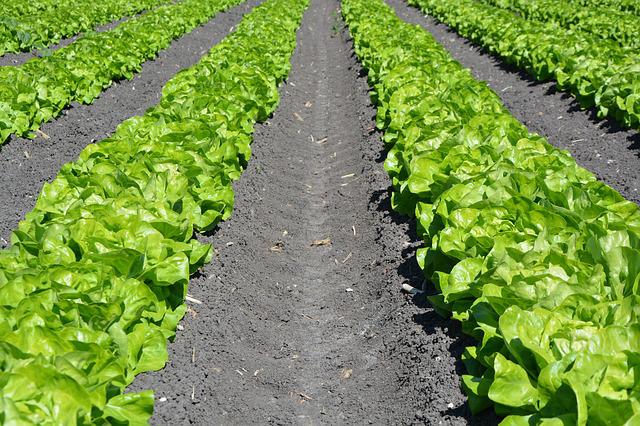
In light of the recent E. coli outbreak that has been linked to romaine lettuce, the FDA announced that it will begin targeted sampling of leafy greens grown on farms and ranches during the fall 2022 harvest season in the Salinas Valley region of California. In addition, the agency is releasing results from a 2021 sampling assignment and providing an update on other work happening under the Leafy Greens STEC Action Plan (LGAP).

The LGAP sampling efforts seek to detect and prevent contaminated product from reaching consumers and help leafy greens growers and processors identify practices or conditions that may present microbial risks so they can strengthen the microbiological safety of their operations.

During the fall 2022 harvest season the FDA plans to collect about 240 lettuce samples at farms/ranches in the Salinas Valley that were identified by traceback investigations in recent years as being potentially associated with a foodborne illness outbreak in which lettuce or leafy greens were the likely or suspect food vehicle.

The FDA notes that it also may collect environmental samples such as water, soil and scat, as appropriate, based on observations made at the time of sampling and a farm/ranch’s past inspection history. All samples will be tested for Salmonella spp. and E. coli O157:H7. The sampling will begin in mid-September 2022 and run through October 2022.

In 2021, the FDA conducted a leafy greens sampling assignment and has released a summary report of the results. As part of this assignment, the agency collected lettuce from commercial coolers in the Salinas Valley growing area and tested samples for E. coli O157:H7 and Salmonella spp. between May and November 2021. The agency detected Salmonella enterica in one green leaf sample and STEC in two other samples. The potentially contaminated products were destroyed and follow-up inspections were conducted.

As a result of continued outbreaks and ongoing concerns about leafy green contamination, multi-disciplinary food safety experts from across the FDA also will be visiting with leafy greens producers in California over the next two months to learn more about leafy greens operations. The FDA shared that recent outbreaks have raised concerns about the sanitary design of harvest equipment and how field production and processing practices may be contributing to contamination events, which spurred the creation of this working group.

Chris Downs

Downs Named President of the Institute of Food Technologists

By Food Safety Tech Staff
No Comments
Chris Downs

Christopher “Chris” Downs, Ph.D., is the new president of the Institute of Food Technologists (IFT). IFT is a nonprofit scientific institute committed to advancing the science of food and its application across the global food system. Downs is the organization’s 83rd president and follows 2021-2022 President Vickie Kloeris, MS, CFS.

Downs, who is based in Australia, currently serves as general manager for Crop & Food Science with the Department of Agriculture and Fisheries in Queensland. Previously, he led the Food Program at Australia’s national science agency, Commonwealth Scientific and Industrial Research Organisation (CSIRO). Throughout his 30-year career, Downs has worked with governments, universities and industry partners around the world to bring the latest food system innovations to the market and consumers.

“Since the moment Chris became an IFT member in 2015, he has enthusiastically brought a global perspective and extensive knowledge as a science of food professional to IFT,” said IFT CEO Christie Tarantino-Dean. “With the curiosity, compassion and commitment to supporting the global science of food community Chris exudes, we’re confident he will make a significant impact in his role as president of IFT this year.”

As an IFT member, Downs has served in various roles including the IFT Board of Directors, the IFT Strategy Working Group, the IFT Audit and Risk Committee and IFT’s Cannabis Content Review Panel. He has been a strong supporter of IFT’s diversity, equity and inclusion strategy and notes that he is passionate about IFT engaging with food professionals from around the world.

“IFT has played a significant role in my career and life’s work, so it’s an honor to serve as president this coming year,” said Downs. “We are a passionate and knowledgeable group of professionals, spanning academia, government and industry, committed to embedding the voice of science into our global food system. I look forward to working with our talented board of directors, dedicated volunteers and members to promote and advance our work on a global scale.”


Tamales

Public Health Alert for Poultry and Meat Products Containing FDA-Regulated Corn Starch

By Food Safety Tech Staff
No Comments
Tamales

The USDA Food Safety and Inspection Service (FSIS) has issued a public health alert for select La Guadalupana Foods, Inc. poultry and meat products, which contain an FDA-regulated corn starch that has been recalled due to an undeclared allergen, specifically milk.

FSIS issued the public health alert to ensure that consumers are aware that these products should not be consumed. The FSIS announcement notes that additional products may be added, as it is likely that additional meat and poultry products will be affected by the corn starch.

The list of products subject to the public health alert are available here. The tamales were shipped to warehouse, distributor and retail locations in Illinois, Indiana and Wisconsin. However, if other products are added, additional states might be affected.

FSIS and FDA are working together to determine the extent of the distribution of the corn starch to other establishments. There have been no confirmed reports of adverse reactions due to consumption of these products. FSIS urges consumers who have purchased these products not to consume them and either throw them away or return them to the place of purchase.

Amanda Bosse

Bosse Takes Helm as CEO of Certified Group

By Food Safety Tech Staff
No Comments
Amanda Bosse

Amanda Bosse has been named CEO of Certified Group, a U.S.-based provider of testing and regulatory consulting services for the food & beverage, dietary supplements & NHP, cosmetics, OTC, personal care, tobacco, cannabis, nicotine, hemp and other regulated end markets.

Bosse brings more than 20 years of global experience in pharmaceutical and science-led service businesses. She previously served as president of drug product services at Thermo Fisher Scientific. Prior to Thermo Fisher Scientific, she held multiple senior roles of increasing responsibility for Patheon Pharmaceuticals.

Bosse succeeds John Bellinger, who will remain with the company as its chairman. “Amanda has a strong background in delivering successful transformations across numerous verticals. It has been a privilege to serve as CEO of Certified, and I am incredibly proud of what our team has accomplished to-date,” said Bellinger. “I look forward to focusing on Certified’s key customers, and supporting the company strategy as chairman.”

“Certified is well-positioned as a leading provider of differentiated lab testing services, and I see immense opportunity in serving our growing end markets through continued M&A and service expansion, all supported by an excellent team. It is an honor to lead this exceptional company and advance its role as a premier laboratory testing platform in North America,” said Bosse. “I look forward to working closely with John and this talented team as we further strengthen and expand our product offering, capabilities and reach.”

Water fountain

EPA Proposes Designating Certain PFAS as Hazardous Substances

By Food Safety Tech Staff
No Comments
Water fountain

The EPA is proposing to designate two of the most widely used per- and polyfluoroalkyl substances (PFAS) as hazardous substances under the Comprehensive Environmental Response, Compensation, and Liability Act (CERCLA), also known as “Superfund.” In its August 26 announcement, the agency noted that this would increase transparency around releases of these harmful chemicals and help to hold polluters accountable for cleaning up their contamination.

The proposal applies to perfluorooctanoic acid (PFOA) and perfluorooctanesulfonic acid (PFOS), including their salts and structural isomers, and is based on significant evidence that PFOA and PFOS may present a substantial danger to human health or welfare or the environment. PFOA and PFOS can accumulate and persist in the human body for long periods of time. Evidence from laboratory animal and human epidemiology studies indicates that exposure to PFOA and/or PFOS may lead to cancer, reproductive, developmental, cardiovascular, liver and immunological effects.

“Communities have suffered far too long from exposure to these forever chemicals. The action announced today will improve transparency and advance EPA’s aggressive efforts to confront this pollution, as outlined in the Agency’s PFAS Strategic Roadmap,” said EPA Administrator Michael S. Regan.Under this proposed rule, EPA will both help protect communities from PFAS pollution and seek to hold polluters accountable for their actions.”

If finalized, the rulemaking would trigger reporting of PFOA and PFOS releases, providing the EPA with better data and the option to require cleanups and recover cleanup costs to encourage better waste management.  It would also improve EPA, state, Tribal nation and local community understanding of the extent and locations of PFOA and PFOS contamination throughout the country and help communities avoid or reduce contact with these potentially dangerous chemicals.

The EPA said that it is focused on holding responsible those who have manufactured and released significant amounts of PFOA and PFOS into the environment. It will use enforcement discretion and other approaches to ensure fairness for minor parties who may have been inadvertently impacted by the contamination.

If this designation is finalized, releases of PFOA and PFOS that meet or exceed the reportable quantity would have to be reported to the National Response Center, state or Tribal emergency response commissions, and the local or Tribal emergency planning committees.

Additionally, the proposed rule would, in certain circumstances, facilitate making the polluter pay by allowing EPA to seek to recover cleanup costs from a potentially responsible party or to require such a party to conduct the cleanup. In addition, federal entities that transfer or sell their property will be required to provide a notice about the storage, release or disposal of PFOA or PFOS on the property and a covenant warranting that it has cleaned up any resulting contamination or will do so in the future, if necessary.

EPA will be publishing the Notice of Proposed Rulemaking in the Federal Register in the next several weeks. Upon publication, EPA there will be a 60-day comment period.