Robert Ferguson, Strategic Consulting

Contract Food Labs Gain Traction

By Maria Fontanazza
No Comments
Robert Ferguson, Strategic Consulting

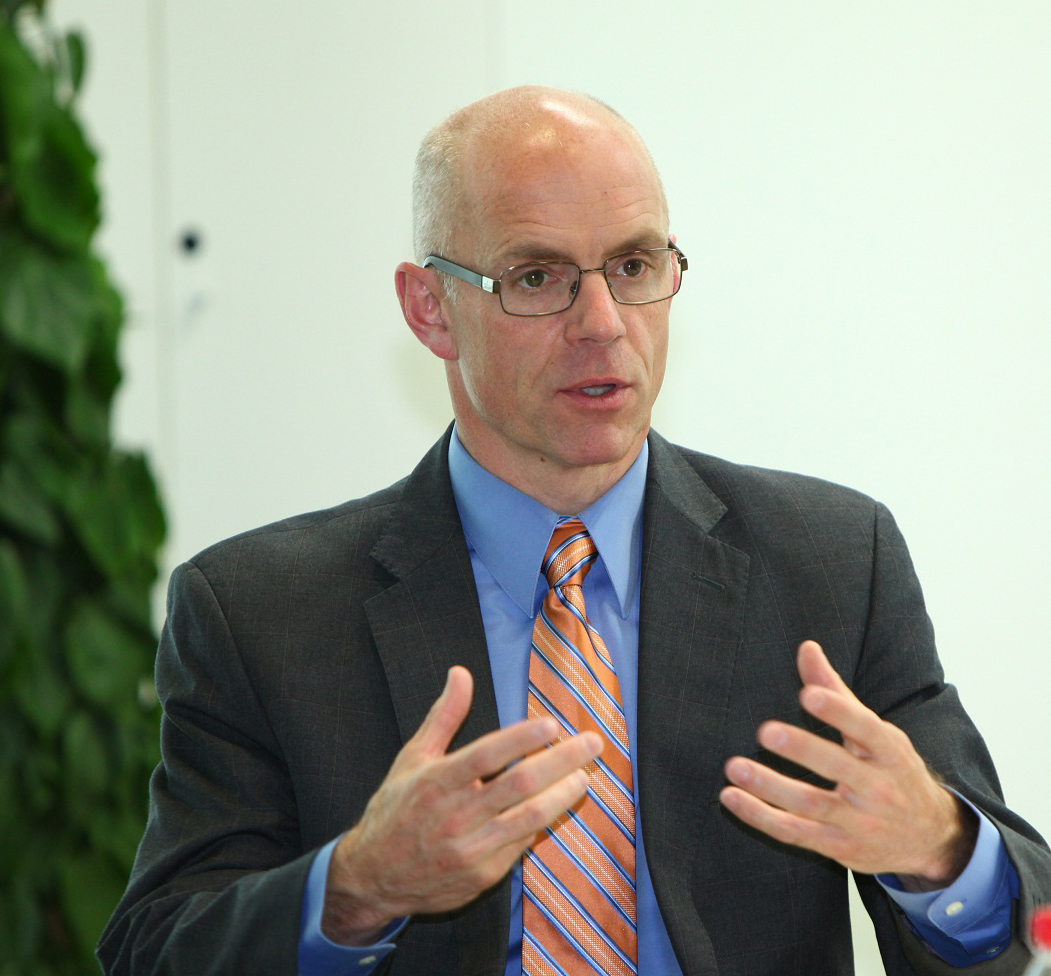
Last month Food Safety Tech and Bob Ferguson, managing director at Strategic Consulting, discussed changes that are affecting the contract lab industry, from processor concerns in keeping pathogens out of their facility to operational challenges. In part II of our interview, Ferguson reviews how these factors are increasing competition among food contract laboratories.

Food Safety Tech:  Since we published your article “Changing Landscape for Selecting a Food Contract Laboratory” you’ve mentioned that you have been getting quite a few questions about the piece, your study and your findings. What is the most common question you have received?

Robert Ferguson: It’s been interesting! I have received questions directly via email and many over various social media. People have been very interested in the overall impact that these changes will have on the market. As more and more companies outsource their food diagnostic testing, and as food contact labs companies capture a greater share of the testing market and also grow through consolidation of the market, testing labs will have greater market power. It is a common purchasing practice, of course, for buyers to commoditize services such as laboratory analysis to the extent that they can and then force the labs to sell on price. This has clearly been the case in the food lab market. But as more companies outsource, and the larger labs grow and consume greater share, the balance of bargaining power between the larger labs and processors will change.

FST:  Is it just the relative size of the labs that is having the major impact?

Robert Ferguson, Strategic Consulting
Robert Ferguson, managing director, Strategic Consulting, Inc., will discuss the results of the survey at the 2016 Food Safety Consortium in December | LEARN MORE

Ferguson:  Larger lab companies will certainly have economies of scale, operating efficiencies and bargaining power with their suppliers that the smaller labs will not that they will use to their advantage. But there is more to it than that. Close to 70% of the processors in our survey say that they outsource their pathogen samples to labs within 100 miles of their plant. Many of these processors are multi-site operations and will look to outsource their work with the fewest number of laboratory contracts. With growth and consolidation in the market, fewer and fewer lab companies will have laboratories in the right places to meet this 100-mile requirement. Fewer labs will qualify for the bidding process, and this will reduce competition.

FST:  Will this change pricing?

Ferguson: Probably, especially over time. The other thing we heard from processors is that economics is not the main criteria in their decision to outsource. Traditionally, processors would “do the math” and those with fewer samples would outsource, as it would not be economical to maintain their own lab operation, while those with high sample volumes would run their own plant lab or a consolidated corporate lab. But what we hear from processors is a greater focus on food safety and a desire to get any work with pathogens out of their plant. We also hear more reluctance from processors to be “in the lab business.” Their core competence is food production, not maintaining lab accreditations, keeping up to date on more sophisticated analytical techniques, and everything else it takes to maintain an efficient lab operation. Neither of these goals is economic, and we are seeing more companies outsource their samples at a higher cost per sample than what it was costing at their in-plant lab. Less competition and more focus on qualitative goals and not just pricing will create longer-term increases in contract lab prices.

Read part I of the Q&A with Ferguson, “Increased Testing for Pathogens and More Complex Tests Means More Outsourcing”FST:  That sounds positive for food contract laboratories. What is the risk?

Ferguson: These changes will be a significant opportunity for some food contract lab companies and a significant risk for others. Those who can create the best lab network will qualify for the most outsourcing contracts and will likely be far more competitive. Single location labs, however, will find it harder to be competitive, and many will likely be acquired while others will fail. We will certainly see a continued high level of M&A activity in this market.
Some of the other questions people have asked are about the impact on lab companies’ strategies, outside of M&A. We have heard from processors that while the larger labs with the better networks are better outsourcing partners, they are also finding that these larger lab companies are more “industrialized” and have far less emphasis on customer service. This seems to introduce an opportunity for a laboratory company with a strong network that can also maintain a high level of customer service to gain a competitive advantage.  We see some indication that this is already happening as more lab companies offer services such as auditing, onsite inspections and testing, and program development. In fact, our data shows that services, while still a small proportion of most food contact lab’s revenue, is nonetheless the fastest growing component, overall growing at nearly 15%. This seems to be a clear opportunity for food contract labs to differentiate themselves and stay competitive.

Question mark

Test Your FSMA IQ Smarts

By Food Safety Tech Staff
5 Comments
Question mark

FSMA Preventive Controls: Are You Prepared? Use this self-diagnostic assessment tool to help determine your current state of planning for FSMA.With so many factors and new requirements to consider, have you and your team thought about how well you really know FSMA and all that the new regulations entail? Here at Food Safety Tech, we’ve heard from sources in the industry that many elements of FSMA are not fully understood.

Working with Bill Bremer, principal of food safety compliance at Kestrel Management, LLC, Food Safety Tech is introducing a six-part FSMA IQ test. Results will be posted each week in our Food Safety Consortium newsletter leading up to the 2016 event.

Take part I of the FSMA IQ Test.

Find out how you did on Part I, and then take Part II here.

Part III

Part IV

If you don’t receive our newsletters, sign up here!

Inspection and Recovery Services

FlexXray will be exhibiting at the 2016 Food Safety Consortium in Schaumburg, IL. At the booth representing FlexXray will be CEO Kevin Fritzmeyer and Project Manager John Hower. They will be discussing their food inspection process and capabilities of foreign material detection.

FlexXray is the leader in Inspection & Recovery Services dedicated to serving food companies. The company X-rays food products for various types of foreign material and contaminants, which it can see down to 0.8 mm or even smaller.  Metal, plastic, gasket material, glass, stones and bone are a few of the items our customers ask us to inspect for.

FlexXray provides quick turn IN/OUT service, your truckload of product is inspected, contaminants removed and returned in only 8-12 hours. The company has introduced a new audit program for our customers to conform to the new HACCP and FSMA regulations. It is meant to help catch and prevent problems before recalls occur.

Our goal is to work with food companies to inspect their finished product for foreign material versus their other option, throwing it away. We strive to provide your company a cost-effective option in the event that you have an incident.

For more information, visit the FlexXray website.

Recall

More Ice Cream Recalls Over Listeria Concerns

By Food Safety Tech Staff
No Comments
Recall

The 2016 Food Safety Consortium features a Listeria Detection & Control Workshop | Don’t miss this event two day event, December 7–8 in Schaumburg, IL | LEARN MOREOver the past few days there have been at least four recalls over Listeria concerns in ice cream products. On Monday, Blue Bell Ice Cream voluntarily recalled all of the products made with a cookie dough ingredient from one of its suppliers, Aspen Hills. “Although our products in the marketplace have passed our test and hold program, which requires that finished product samples from a batch test negative for Listeria monocytogenes before the batch can be released, Blue Bell is initiating this recall out of an abundance of caution,” according to a release on FDA’s website. Other recalls include:

Similar to the Blue Bell recall, the other two recalls involving cookie dough came from the ingredient supplied by Aspen Hills, Inc.

No illnesses have been reported.

AOAC Neogen

Neogen’s AccuPoint Advanced receives AOAC approval

AOAC Neogen

Neogen recently received approval from the AOAC Research Institute for its rapid and accurate AccuPoint Advanced ATP Sanitation Verification System.

Neogen’s AccuPoint Advanced is the first sanitation verification system to receive an AOAC approval, and this approval follows a recent study by NSF International that showed AccuPoint Advanced exceeded the performance of competitive systems.

“Each time we receive a validation from an independent third party on any of our tests, it provides further assurance to the food production and processing industry that our tests perform as expected,” said Ed Bradley, Neogen’s vice president of Food Safety. “The performance of our AccuPoint Advanced system in recent independent evaluations by AOAC and NSF is very gratifying. We developed the product with the goal of creating a new sanitation verification system that is superior to anything else on the market.”

The results in the AOAC validation report (Performance Tested MethodSM 091601) provided evidence that AccuPoint Advanced produces consistent and reliable data for evaluating sanitation program effectiveness in food processing and food services facilities.

AccuPoint Advanced is an enhanced version of its earlier AccuPoint test system. Improvements with AccuPoint Advanced include: improved sampler chemistry to produce more consistent results with even greater sensitivity; an enhanced instrument to produce even faster results (less than 20 seconds); and advanced Data Manager software to easily streamline the testing process by creating test plans and syncing important data, while keeping a permanent record of sanitation test results.

AOAC International is a globally recognized, independent forum for finding appropriate science-based solutions through the development of microbiological and chemical standards. The Applied Research Center at NSF International is a not-for-profit global research group that provides product development support to manufacturers and developers of products in the food safety, agriculture, clinical and life science markets.

Hand

Consumers Drive GMO Debate, Chicken Playtime and Tech Innovation

By Maria Fontanazza
No Comments
Hand

Last week several leading organizations in the food industry gathered to discuss trends and key issues facing the industry at The Wall Street Journal Global Food Forum. From the GMO debate to small farming and humane practices to sugar preferences, it’s clear that consumer demand for more control over what they’re consuming will continue to drive industry practices and future policies.

Industry leaders will gather at the 2016 Food Safety Consortium, December 5–9 in Schaumburg, IL | LEARN MOREAgriculture in the Global Landscape

The agricultural sector is often one of the most protected markets, according to Darci Vetter, ambassador and chief agricultural negotiator at the Office of the U.S. Trade Representative. Vetter strongly advocated for moving forward with free trade agreements in the United States for fear of falling behind in such a competitive global market.

When the audience was asked which country would see the biggest increase in agricultural exports in coming years, 40% selected China. To this observation, Vetter commented that while China has invested a great deal into basic research in the field of agriculture, the country has not been able to turn discoveries into viable technologies for farmers.

“China’s vision of national security is very much tied to food security.” – Darci Vetter, ambassador and chief agricultural negotiator at the Office of the U.S. Trade Representative

Antibiotics: Not in My Chicken

As industry faces unprecedented scrutiny from consumers, the use of antibiotics in livestock remains a hot button issue. Nearly 15 years ago, Perdue Farms saw evidence that consumers were concerned about antibiotics, and the company has made significant strides to reach today’s slogan, “No Antibiotics Ever”. This means that 100% of the chickens are not receiving antibiotics unless they’re sick, which is about 5%, according to company Chairman Jim Perdue. Measures the company has taken to reduce the incidence of illness in birds includes wiping every egg that comes into a hatchery with a baby wipe (Perdue says that the company is the biggest user of baby wipes); using herbs such as oregano in feed, because it has been shown to help condition the gut; and engaging in “chicken playtime” (a controlled atmosphere for chickens to play), which is said to reduce stress in chickens.

Debating GMOs and Technology

In order to address the growing population, industry must look at the entire suite of tools available, said Vetter. According to Mike Frank, senior vice president and chief commercial officer of Monsanto Co., 60–70% more food needs to be produced to feed the future population. Global warming, affordability and consumer education are just a few challenges that farmers face while trying to improve productivity and efficiency. This is where technology plays a key role, said Frank. Industry needs innovation to address the challenge of producing more food and managing the environmental footprint.

“We need every farmer, whether organic or not, to be successful.” – Mike Frank, senior vice president and chief commercial officer, Monsanto Company

Frank predicts that big data will dramatically change agriculture within the next five to six years by allowing farmers to farm by the square meter, thereby improving productivity in areas such as seeding and pest management. Farmers will also be able to leverage data to gain a better understanding of soil conditions and weather, and how it will ultimately impact their harvest.

Closing the Food Safety Loop

“Food safety doesn’t magically happen,” said Frank Yiannas, vice president of food safety at Walmart. He emphasized how companies must work hard to reduce risk early in the process, citing Walmart’s guiding principles: Is it safe? Is it affordable? Is it sustainable? He also touched on the company’s program to reduce the incidence of Salmonella in chicken parts and how companies should approach risk not just from the scientific point of view but also consider the regulatory requirements and perceived risk in making risk management decisions.

“We as leaders need to shift the conversation and let food unite us.” – Frank Yiannas, vice president, food safety, Walmart

The discussion between FDA commissioner Robert Califf, M.D. and Susan Mayne, director at CFSAN, focused more on chronic disease and healthy eating, however Califf expressed a need for more interrelated data sources within FDA. He also encouraged that industry conduct more research to ensure that decisions are based on good evidence.

Amazon Fresh

Amazon to Grab Grocery Business, May Open Stores

By Food Safety Tech Staff
No Comments
Amazon Fresh

Amazon may have plans to expand its grocery delivery service into convenience stores. According to The Wall Street Journal, the retailer may open convenience stores and offer curbside pickup to Amazon Fresh customers (the online grocery delivery service). Amazon Fresh currently offers traditional grocery items such as packaged goods, beverages, condiments, baking goods, seasonings and pasta, along with perishable items such as cheese, eggs, frozen foods, and meat and seafood to consumers in certain cities. Based on location, consumers would also be able to order items from local retailers. Through the new reported expansion, Amazon Fresh customers would order shorter shelf life food items via their mobile devices for in-store pick up, and items with a longer shelf life would be available for online order and delivery. It’s possible that Amazon will open one of these locations in Seattle within the next few weeks, according to the Journal.

FSMA

FDA Revises Food Safety Standards for State Regulatory Programs

By Food Safety Tech Staff
No Comments
FSMA

FDA issued revisions to the Manufactured Food Regulatory Program Standards (MFRPS), which are food safety standards for state regulatory programs that oversee facilities that manufacture, process, pack or hold foods. Updates have been made to the standards, along with newly defined terms, and new sections and appendices.

Currently 43 state programs are enrolled in MFRPS, which aims to provide an integrated national risk-based food safety system. Ten standards make up the regulatory program standards; elements include program’s regulatory foundation, staff training, inspection, quality assurance, food defense preparedness and response, foodborne illness and incident investigation, enforcement, education and outreach, resource management, laboratory resources, and program assessment, according to FDA.

“The MFRPS establish a uniform basis for measuring and improving the performance of prevention, intervention, and response activities of manufactured food regulatory programs in the United States,” according to an agency release. The MFRPS promotes stronger partnerships between FDA and state programs, offering dedicated staff to work with program staff, provides opportunities to apply for funding to assist in implementation efforts, offers tools to help companies build a quality management system in order to measure and enhance performance and accountability, and aims to promote internal program consistency.

The 118-page document is available for download on FDA’s website.

Northland Laboratories Breaks Ground on State-of-the-Art Food Science Center

Northland Laboratories has broken ground on the build-out of a new state-of-the-art food science center.  The 33,000 square foot facility will house microbiology, chemistry, sensory, specialty, research and consulting services specific for the food and beverage industry.

“The new facility will expand capacity of current services provided and offer incredible new resources available with a full service food science center to include many research capabilities,” states D.J. Alwattar, president of Northland Laboratories.

In addition to the new facility in Mount Prospect, Ilinois, Northland Laboratories recently expanded its laboratory facilities in Green Bay, Wisconsin. The newly expanded 12,000 square foot facility was designed to increase capacity for microbiology and chemistry testing services, include a new area for its expanding Proficiency Testing services, and integrate new automation equipment used for scalability of testing.

“This positions Northland Laboratories to service the needs of the food and beverage industry for the immediate and long term future,” adds Alwattar.

Completion of the Mount Prospect, Illinois facility is scheduled for early 2017.

New Dipstick for Rapid Detection of Salmonella on the Farm

By Food Safety Tech Staff
No Comments

A new rapid assay may help growers make faster and more informed decisions right on the farm. Researchers from the University of Massachusetts and Cornell University are developing a test that addresses the challenge of sampling produce and assessing risk in a timely manner. The dipstick would enable rapid detection of Salmonella in agricultural samples in about three hours.

How It Works

“Users simply place a leaf sample in a small plastic bag that contains enzymes and incubate it for about 1.5 hours. Users would then squeeze a small liquid sample through a filter and place it in a tube with bacteriophages—viruses that are harmless to humans but infect specific bacterium, such as Salmonella or E. coli. Some phages are so specific they will only infect one bacterium serotype while others will infect a broader range of serotypes within an individual species. Phages also will only infect and replicate in viable bacteria, ensuring that non-viable organisms are not detected. This distinction is useful if prior mitigation steps, such as chlorination, have already been used. The phages used in the test were engineered to insert a particular gene into the bacteria.” – Center for Produce Safety

“We have been developing dipstick assays for ultra-low detection limits,” the technical abstract, Rapid bacterial testing for on-farm sampling, states. “Our preliminary data suggests that our fluorescent dipstick will have a detection limit of Salmonella spp. cells which makes the test ideal for on-farm use and appropriate federal requirements.”