

Tag Archives: FDA

Jennifer Allen
Food Safety Attorney

Staying a Step Ahead on Produce Safety

By Jennifer Allen
No Comments
Jennifer Allen

The FDA continues to make revisions and improvements to its Produce Safety Rule, with input from various stakeholders. One thing that is a constant drumbeat is that food growers and manufacturers need to do a better job of keeping consumers safe from foodborne illness arising from produce that was traditionally thought of by consumers as safe to eat (think spinach, romaine lettuce and red onions). Through the produce regulations (21 CFR 112.1-112.213), the FDA is attempting to come to grips with the seemingly endless parade of produce-based outbreaks, arming the food industry with an additional weapon for use in the constant battle with foodborne illness.

The regulations, broadly speaking, require farms of a certain size to develop processes relating to employee hygiene and training, agricultural water, biological soil amendments (compost, manure and the like), and buildings and equipment to decrease the risk of contamination of produce during growing, harvesting, packing and holding. But what does that mean for food manufacturers?

Subscribe to the Food Safety Tech weekly newsletter to stay up-to-date on the latest news and information on food safety.

One way to understand the regulations is to consider them in the context of a dish that seems to be increasingly popular in restaurants: the beet salad. Starting with the beets, the regulations do not apply to them. Why? Because the regulations don’t apply to produce that is rarely consumed raw. The FDA has provided an exhaustive list of this kind of produce and beets are, not surprisingly, on that list.

But what about the rest of the salad. Typical beet salads often contain leafy greens like spinach and arugula, and other produce such as carrots and avocado. With the produce regulations in place, food manufacturers should expect, and even demand, a greater level of safety and accountability from their suppliers with respect to these kinds of produce. All of these salad ingredients are considered covered produce under the act. But even though the regulations cover these ingredients, whether they provide food manufacturers with greater guarantees of safety and accountability really depends on who is growing, harvesting, packing and holding the produce before it reaches the manufacturing facility.

Broadly speaking, the regulations only apply to farms, which are generally defined as those establishments that grow and harvest the produce. Facilities that pack and hold produce must also follow the new regulations if they are majority owned by a farm that grows and harvests the produce. Non-farm packing and holding facilities can choose between following the new regulations or following current good manufacturing practices generally applicable to all foods (you can find these practices at 21 CFR 117). Establishments that only hold or transport produce are not required to follow either regulation.

What’s more, not all farms are covered under the new regulations. Farms that on average sell less than $25,000 per year of produce, adjusted for inflation with 2011 as the baseline year, are not covered by the regulations at all. And farms that sell an average of less than $500,000 of food each year, adjusted for inflation, may seek an exemption from the regulations if the amount of food they sell each year direct to consumers—or to restaurants and retail establishments within the same state or less than 275 miles away—exceeds the amount of all other food sales. That means the smaller and more local the farms a manufacturer sources from, the less likely it is that the manufacturer must follow the new regulations. It also means that if produce is packaged and held by a middleman, that middleman may not have to follow the new regulations either.

How To Mitigate Risk When Sourcing Produce

How does a food manufacturer then develop the knowledge necessary to have some power over what enters its facility and what risks to accept in sourcing produce? Well, if produce comes directly from a farm covered under the new regulations, the manufacturer should make sure that its supply contract requires the farm to provide regular certification that its produce has been grown, harvested, packed and held in compliance with the regulations. The same goes for produce coming from a packing and holding facility that is majority farm-owned. But even if the produce comes from a non-farm packing and holding facility, manufacturers can seek reassurance of safety in several ways.

If a produce supplier is not covered under the FDA Produce Safety regulations, manufacturers can still require certification that their suppliers comply either with the produce safety regulations or with existing current good manufacturing practices. If manufacturers have strong bargaining power over non-farm suppliers, they might even consider requiring that the supplier voluntarily comply with all or some of the produce safety regulations. Or manufacturers could require that the supplier obtain certification from the grower that the produce was grown and harvested in compliance with the produce regulations or (for non-covered or exempt farms) that the grower otherwise complied with current good manufacturing practices.

Even if produce comes from non-covered or exempt farms, manufacturers may still consider asking the farm to follow basic practices that mitigate the risk of contamination. Although the produce regulations include certain larger-scale, and costly, measures, they also include some simple requirements that even small farms can implement cost-effectively.

Question manufacturers should consider include: Has a company representative visited the farm that grows its produce? If it has, did workers have access to bathrooms or handwashing facilities? How clean was the area where the workers sort and pack the produce?

Depending on the amount of bargaining power a manufacturer has, it might be able to convince the grower to install portable toilets or handwashing stations, or to clean up its sorting area. Even installing signs that instruct workers to wash their hands or report to a supervisor if they are sick, can go a long way toward mitigating the risk of contamination.

At minimum, manufacturers should keep good records showing who grew, harvested, packed and held their produce, so that in the event of an outbreak of a foodborne illness, they can provide FDA with essential information to help determine the source. Manufacturers should also ensure that their supply contracts contain provisions requiring suppliers to notify them promptly whenever the suppliers have reason to suspect that produce may have become contaminated.
FDA logo

FDA and CDC Sign MOU for Enhanced Collaboration To Reduce Foodborne Illness

By Food Safety Tech Staff
No Comments
FDA logo

The FDA and CDC have entered into a Memorandum of Understanding (MOU) to strengthen food safety in retail environments. The goal of the renewed partnership is to help reduce the occurrence of foodborne illness in retail and foodservice establishments.

This MOU, which was signed on September 21, was developed to help increase the consistency and capacity of retail food protection programs across the country, promote a general culture of food safety and facilitate continued communication between the FDA and CDC to assist state, tribal, local, territorial (SLTL) and industry partners.

The three primary goals of the MOU include:

  1. Increase uniformity, consistency and capacity of STLT retail food protection programs
  2. Promote industry’s active managerial control (AMC) of foodborne illness risk factors and promote a culture of food safety
  3. Maintain a strong FDA National Retail Food Team (NRFT) and CDC National Center for Environmental Health (NCEH) workforce to assist STLT partners.

The agencies are seeking to: improve STLT’s effectiveness in conducting risk-based inspections and foodborne illness investigations; promote a culture of food safety and food safety management systems within retail and foodservice establishments; and improve research in support of foodborne illness risk factor reduction.

To accomplish these objectives, the FDA and CDC are both tasked with establishing metrics to measure the success of collaborations as well as establishing direct and consistent relationships at multiple organizational levels, sharing best practices, and identifying opportunities for leveraging the resources of both agencies to more efficiently and effectively support STLT retail regulatory programs as well as both FDA and CDC retail food protection initiatives.

In its announcement of the MOU, the FDA notes that it has historically worked with CDC to help control the risk factors for foodborne illness outbreaks in retail settings. “This MOU will ensure enhanced continued collaboration on this important work,” the agency wrote.

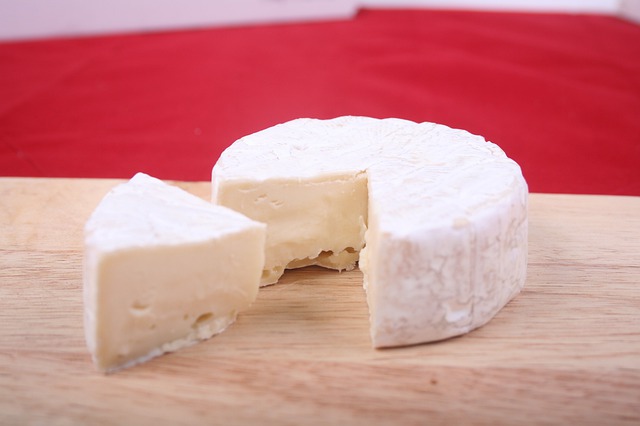
Brie Cheese

FDA Links Listeria monocytogenes Outbreak to Old Europe Cheese Brie and Camembert Soft Cheese Products

By Food Safety Tech Staff
No Comments
Brie Cheese

A multistate outbreak of Listeria monocytogenes infections has been linked to Brie and Camembert soft cheese products manufactured by Old Europe Cheese, Inc. of Benton Harbor, Michigan. The products are sold at various retailers under multiple labels and brands. Six cases of illness have been reported in patients in California, Georgia, Massachusetts, Michigan, New Jersey and Texas.

The FDA reports that epidemiologic information provided by CDC found that, of the five patients with information available, four reported eating Brie or Camembert cheese prior to their illnesses. An FDA inspection of the Old Europe Cheese, Inc. facility in Michigan, performed with assistance from the Michigan Department of Agriculture and Rural Development, showed the presence of Listeria monocytogenes. Whole Genome Sequencing (WGS) analysis determined that the Listeria strain found in the facility matches the Listeria strain causing illness in this outbreak.

The company has voluntarily recalled multiple brands of its Brie and Camembert cheeses produced at the facility in response to the investigation findings. The firm has also halted production and distribution of its Brie and Camembert products from the Michigan facility and is working with FDA on corrective actions.

Consumers, restaurants and retailers should not eat, sell or serve recalled products and should throw them away; this includes Best By Dates ranging from September 28, 2022 to December 14, 2022—all flavors and quantities. A full list of recalled products and stores that potentially sold these products is available on the firm’s recall.

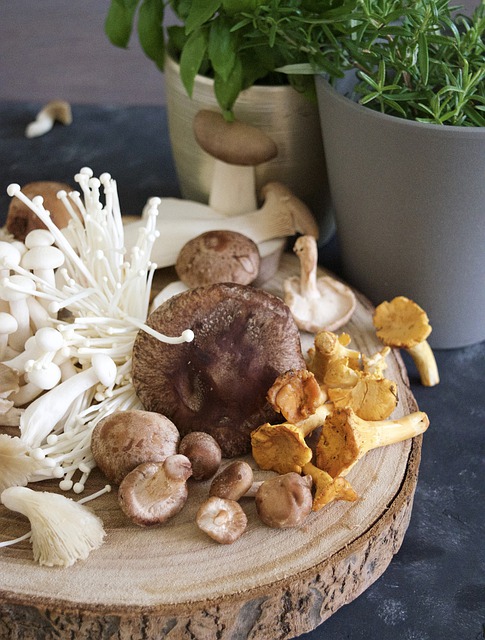
enokie mushrooms

Bulb Onions and Imported Mushrooms Focus of New FDA Food Safety Prevention Strategies

By Food Safety Tech Staff
No Comments
enokie mushrooms

The FDA has announced two new food safety prevention strategies. The first is for imported enoki and wood ear mushrooms. The second is focused on bulb onions. Both food groups were identified in foodborne illness outbreaks in 2020.

In 2020, a multistate outbreak of Listeria monocytogenes (L. monocytogenes) infections that sicked 26 people was linked to the consumption of imported enoki mushrooms. Testing conducted by the California Department of Public Health (CDPH) identified a matching strain of L. monocytogenes in enoki mushrooms from the Republic of Korea.

Also in 2020, CORE, in collaboration with the CDC and state and local partners, investigated a multistate outbreak of Salmonella Stanley infections linked to the consumption of imported wood ear mushrooms. A total of 55 salmonellosis illnesses were reported in 12 states. Testing conducted by CDPH identified a matching strain in a sample of imported wood ear mushrooms from China. These were the first outbreaks reported to FDA in 20 years related to these products.

As a result of the outbreak findings, the FDA will conduct research to better understand how L. monocytogenes contaminates enoki mushrooms and to better understand the survival of L. monocytogenes and Salmonella on enoki mushrooms and wood ear mushrooms.

The agency will also increase strategic and targeted FDA sampling of imported specialty mushrooms at U.S. ports of entry and at U.S.-based retail sites on the state level. When specific producers are linked to the contaminated shipment, FDA may also detain future shipments until the producer can assure the FDA that the conditions that gave rise to the appearance of the violation have been resolved.

The FDA will also be working with industry to ensure international specialty mushroom producers have access to training intended to help them meet requirements for ensuring the safe production of mushrooms for import into the U.S.

Bulb Onions

In 2020 and 2021, Salmonella outbreaks associated with the consumption of bulb onions produced in the U.S. and Mexico caused more than 2,100 confirmed cases of foodborne illness in the United States.

As a result of the outbreak investigation, the FDA will engage domestic and foreign industry and government partners to promote a broad understanding of the outbreak investigation findings, applicable Produce Safety Rule requirements and the importance of root cause analysis after outbreaks.

Additional actions under the new safety prevention strategy include:

  • Prioritizing inspections of bulb onion farms in the U.S. and Mexico that are covered by the FDA’s Produce Safety Rule.
  • Identifying and assessing practices and conditions associated with onion curing.
  • Supporting research efforts to better understand bulb onion production practices, including the impact of different soil conditions and curing practices on the safety of bulb onions.
  • Supporting industry-led efforts to develop and implement best practices for bulb onion production.
  • Prioritizing Foreign Supplier Verification Program inspections of bulb onion importers to ensure that onion importers are verifying that foreign suppliers follow processes and procedures that provide the same level of public health protection as U.S. food safety requirements.
  • Increasing strategic and targeted sample collection and testing of imported bulb onions from the State of Chihuahua, Mexico.
  • Continuing to collaborate with Mexican competent authorities through the established Food Safety Partnership to help ensure the safe production of bulb onions in the State of Chihuahua, Mexico.


Hand washing

Norovirus: Handwashing and Exclusion of Ill Employees Most Effective Mitigation Measures

By Food Safety Tech Staff
No Comments
Hand washing

FDA has completed a research study entitled, Evaluation of the Impact of Compliance with Mitigation Strategies and Frequency of Restaurants Surface Cleaning and Sanitizing on Control of Norovirus Transmission from Ill Food Employees Using and Existing Quantitative Risk Assessment Model,” which focused on identifying strategies to reduce the risk of norovirus (NoV) from consumption of foods prepared in food establishments.

The study, which was published in the Journal of Food Protection, evaluated more than 60 scenarios examining the impact of implementation of and compliance with recommendations contained in the FDA Food Code.

The objectives of the risk assessment were to:

  • Evaluate the dynamics of norovirus transmission from ill or infected food employees to ready-to-eat food and consumers.
  • Evaluate the impact of prevention strategies and their level of compliance on the prevalence of contaminated food servings and the number resulting infected consumers.
  • Provide a basis for evaluation of potential changes regarding Employee Health for the 2017 FDA Food Code.

The study found that:

  • Compliance with Food Code exclusion of ill food employees and hand hygiene rules had the most impact on consumer illnesses.
  • Washing hands before donning and changing gloves efficiently reduces NoV transfer.
  • Restriction of food employees needs additional provisions to be effective.
  • Eliminating hand-contact from restroom surfaces and prioritizing cleaning and sanitizing of restroom surfaces in restaurants helps to control the transmission of norovirus to food and consumers.
  • Surface cleaning and sanitizing has the least impact on consumer illnesses.


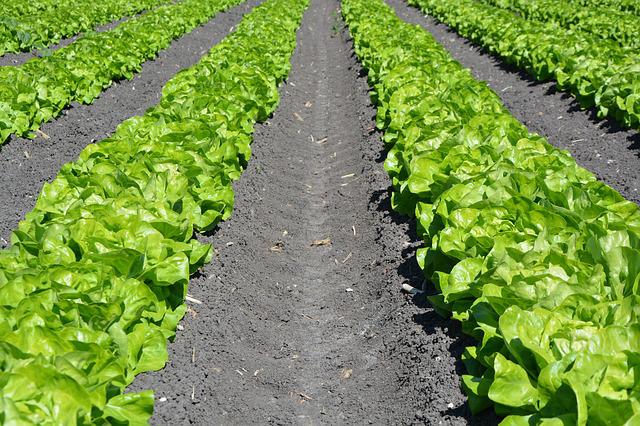
Lettuce

FDA Announces New Efforts to Enhance the Safety of Leafy Greens

By Food Safety Tech Staff
No Comments
Lettuce

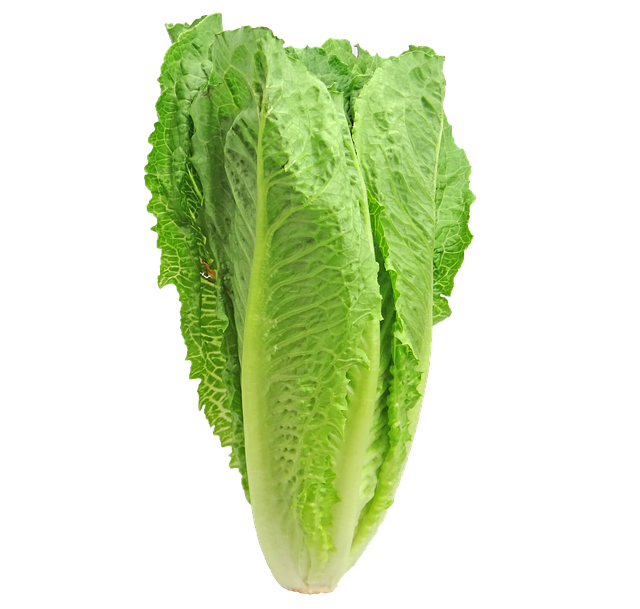
In light of the recent E. coli outbreak that has been linked to romaine lettuce, the FDA announced that it will begin targeted sampling of leafy greens grown on farms and ranches during the fall 2022 harvest season in the Salinas Valley region of California. In addition, the agency is releasing results from a 2021 sampling assignment and providing an update on other work happening under the Leafy Greens STEC Action Plan (LGAP).

The LGAP sampling efforts seek to detect and prevent contaminated product from reaching consumers and help leafy greens growers and processors identify practices or conditions that may present microbial risks so they can strengthen the microbiological safety of their operations.

During the fall 2022 harvest season the FDA plans to collect about 240 lettuce samples at farms/ranches in the Salinas Valley that were identified by traceback investigations in recent years as being potentially associated with a foodborne illness outbreak in which lettuce or leafy greens were the likely or suspect food vehicle.

The FDA notes that it also may collect environmental samples such as water, soil and scat, as appropriate, based on observations made at the time of sampling and a farm/ranch’s past inspection history. All samples will be tested for Salmonella spp. and E. coli O157:H7. The sampling will begin in mid-September 2022 and run through October 2022.

In 2021, the FDA conducted a leafy greens sampling assignment and has released a summary report of the results. As part of this assignment, the agency collected lettuce from commercial coolers in the Salinas Valley growing area and tested samples for E. coli O157:H7 and Salmonella spp. between May and November 2021. The agency detected Salmonella enterica in one green leaf sample and STEC in two other samples. The potentially contaminated products were destroyed and follow-up inspections were conducted.

As a result of continued outbreaks and ongoing concerns about leafy green contamination, multi-disciplinary food safety experts from across the FDA also will be visiting with leafy greens producers in California over the next two months to learn more about leafy greens operations. The FDA shared that recent outbreaks have raised concerns about the sanitary design of harvest equipment and how field production and processing practices may be contributing to contamination events, which spurred the creation of this working group.

PFAS

Phasing Out PFAS

By Food Safety Tech Staff
No Comments
PFAS

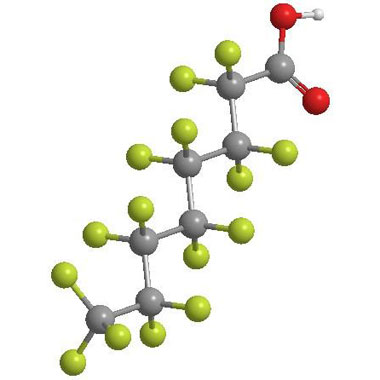
Efforts to regulate and remediate per- and polyfluoroalkyl substances (PFAS) are picking up a steam. Earlier this month, researchers from Northwestern University published a study verifying a low-cost process that breaks the chemical bonds of two major classes of PFAS compounds—perfluoroalkyl carboxylic acids (PFCAs) and perfluoroalkyl ether carboxylic acids (PFECAs)—leaving behind only benign end products.

Last week, the EPA proposed designating perfluorooctanoic acid (PFOA) and perfluorooctanesulfonic acid (PFOS), two of the most widely used PFAS, as hazardous substances. If finalized, the rule will trigger industry reporting of PFOA and PFOS releases and allow the agency to require cleanups and recover cleanup costs.

For the food and beverage industry, most current regulations involve food contact packaging, with states outpacing the FDA in implementing thresholds and working toward outright bans.

“Maine has a declaration requirement for PFAS in food packaging, and eight states are in motion to completely ban PFAS in food packaging products,” says Sally Powell Price, regulatory expert for food and beverage safety, MilliporeSigma.

California, Connecticut, Maine, Minnesota, New York, Vermont and Washington are among the states that have already passed legislation limiting the use of PFAS in food packaging. Outside the U.S., the Eurpean Commissions’ Restrictions Roadmap outlines a plan to outlaw the use of PFAS in packaging by 2030.

The good news for the food and beverage industry is that non-PFAS packaging alternatives are affordable. “The alternatives are fairly priced, so if manufacturers are converting from PFAS to non-PFAS materials, it may require changing some processes, but the price will not change very much,” says Yanqi Qu, food & beverage safety and quality technology specialist, MilliporeSigma.

The area that poses a greater challenge and requires more significant investment from the public and potentially industry groups lies in the testing of actual food commodities. This is also an area of increased regulatory scrutiny.

Regulating and Detecting PFAS in Food

In July, the FDA released the results of its Total Diet Study, which included outcomes of its retail seafood products PFAS testing. “This testing actually catalyzed a recall of clam products from China,” says Price. “The FDA tested foods imported from all regions for the study, so this is something that the FDA is monitoring. I can see this recent recall driving them to do more testing at the border for products coming in to the U.S., especially seafood.”

The state of Maine has dairy testing mandates already in place. “PFAS are bio-accumulators, so it’s not just fish. Cattle and other livestock could also be an issue,” says Price. “The testing program in Maine is a regulatory model that I would use to extrapolate and look at where our future could lie.”

One of the key challenges in detecting PFAS levels in food commodities lies in the variety of matrices to be tested and the huge numbers of PFAS currently in the environment. In December 2021, the FDA published its methodology for PFAS analysis in food and beverage, which focused on fruits, vegetables and beverage samples.

“They are using an extraction method. They used a solvent to extract materials from the surface of the food and beverage samples, and then analyzed them using a liquid chromatoghraphy and mass spectrometry (LC-MS) system,” says Qu. “This method was just posted last year, and the public is not satisfied with it. There are more than 600 different types of PFAS compounds, and for this method they only focused on 16 of them. The FDA is saying, we need more time to test for all 600.”

LC-MS used to test for PFAS in food and beverages is very similar to the PFAS testing in the environment. However, testing food products is more complex than testing water or soil. “Different foods have different interferences and complications, and it is extremely difficult to account for all of the potential interferences and or complications that might arise as you move from one matrix to another,” says Taylor Reynolds, marketing manager for environmental testing and industrial chemical manufacturing, MilliporeSigma. “The science is struggling to keep up. You get into issues where you might have overlapping peaks on your chromatogram, which makes it hard to distinguish the readings. Calibration standards are not all readily available. So, even if a lab wanted to test for 600 compounds, I’m not sure they could easily get their hands on 600 compounds as a reference standard to do their calibration groups.”

What Food Manufacturers Can Do

Price encourages food manufacturers to keep an eye on their state legislatures for proposed and upcoming regulations and be aware of known concerns specific to their areas. “The FDA looks to best fit for purpose,” she says. “So if there is a known concern, for example local data shows that you have PFAS infiltration in the ground water near your livestock or your crops, having a testing plan in place or a mitigation strategy is a good idea, where possible.”

Local FDA and EPA departments can often provide mitigation support as well as guidance to ensure you are aligned with local regulations.

In the coming years, we are likely to see not only more stringent regulations, but also a better understanding of the most hazardous PFAS compounds to help target mitigation and replacement strategies. This data combined with continued efforts to neutralize PFAS, as seen in the Northwestern study, could signal a promising future.

“Our work addressed one of the largest classes of PFAS, including many we are most concerned about,” said William Dichtel, Robert L. Letsinger Professor of Chemistry in Northwestern’s Weinberg College of Arts and Sciences, and lead author of the Northwesten study. “There are other classes that don’t have the same Achilles’ heel, but each one will have its own weakness. If we can identify it, then we know how to activate it to destroy it.”

“PFAS compounds have been so incredibly useful, yet weaning ourselves off of them is not going to be terribly difficult,” says Reynolds. “As long as organizations keep their heads up and are paying at least a marginal amount of attention, it shouldn’t be a terribly difficult to transition away from them, particularly on the packaging side of things. I personally am optimistic about the ultimate resolution of this issue, because people are taking it seriously and the science is showing that we can find solutions.”


Image: PFAS Molecule, courtesy of NIST

Romaine Lettuce

Wendy’s Pulls Romaine Lettuce Over E. Coli Concerns

By Food Safety Tech Staff
No Comments
Romaine Lettuce

A multi-state outbreak of E. coli led Wendy’s to take the precautionary measure of removing romaine lettuce being used in sandwiches from restaurants in the region of the outbreak.

The CDC reports that as of August 18, 2022, a total of 37 people infected with the outbreak strain of E. coli O157:H7 have been reported from Michigan, Indiana, Ohio and Pennsylvania. The illnesses started on dates ranging from July 26, 2022, to August 8, 2022.

A specific food has not yet been confirmed as the source of this outbreak, but among 26 people who have been interviewed, 22 (86%) reported eating sandwiches with romaine lettuce at Wendy’s restaurants in Michigan, Ohio or Pennsylvania in the week before their illness started. Based on this information, Wendy’s removed the romaine lettuce being used in sandwiches from restaurants in those regions.

A spokesperson for Wendy’s released the following statement: “We are fully cooperating with public health authorities on their ongoing investigation of the regional E. coli outbreak reported in certain midwestern states. While the CDC has not yet confirmed a specific food as the source of that outbreak, we have taken the precaution of discarding and replacing the sandwich lettuce at some restaurants in that region. The lettuce that we use in our salads is different, and is not affected by this action. As a company, we are committed to upholding our high standards of food safety and quality.”

The CDC emphasized that it is not advising that people avoid eating at Wendy’s restaurants or that people stop eating romaine lettuce.

The CDC, public health and regulatory officials in several states, the FDA and the USDA-FSIS are collecting and analyzing data at the ingredient level to identify the food source of the outbreak, confirm whether romaine lettuce is the source and determine if there are any other possible foods that could be the source of the outbreak.


Cooked shrimp

FDA Launches Phase Three of AI Imported Seafood Pilot Program

By Food Safety Tech Staff
No Comments
Cooked shrimp

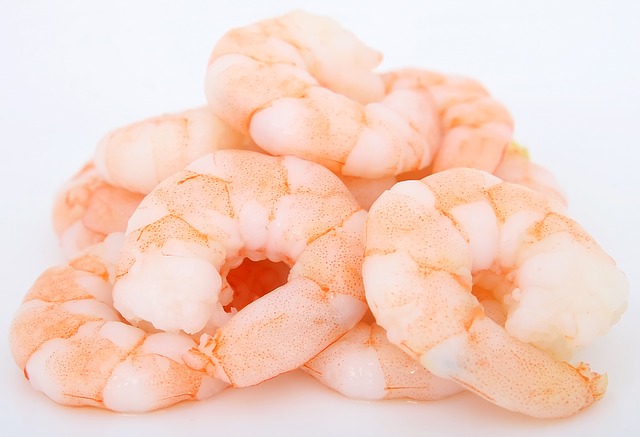
The FDA has launched the third phase of its Artificial Intelligence (AI) Imported Seafood Pilot program, which uses AI and machine learning (ML) to strengthen import screening to ensure that foods entering the U.S are safe.

The FDA chose to focus on seafood for the pilot program as more than 90% of the U.S. seafood supply comes from other countries, and the agency has seen food safety concerns for various imported seafood products along different points in the supply chain.

The program was implemented under the New Era of Smarter Food Safety Blueprint, a program that was developed to reduce the number of foodborne illnesses by leveraging technology to create a safer, more digital, traceable food system.

The third phase is designed to improve the agency’s ability to quickly identify imported seafood products that may be contaminated by illness-causing pathogens, decomposition, the presence of unapproved antibiotic residues or other hazards.

The first phase of the pilot, launched in 2019, was an analytical proof of concept. The analysis demonstrated potential for an ML-driven approach to expedite the review of lower-risk seafood shipments, while identifying those of higher risk for violations or refusals. The second phase, conducted in the field, was designed to integrate ML into existing import data systems to inform decisions about sampling by entry reviewers while gaining more experience with training of the ML model. It was launched at all 328 U.S. ports of entry from February 2021 through July 2021. The real-time model was able to analyze an import entry and return a sample recommendation within seconds.

The third phase will help determine the feasibility of deploying in-house AI/ML models using the intelligence that FDA extracts from the data collected while reviewing millions of import entries per year.

The agency notes that ML has the ability to analyze data from various sources to help inform FDA decisions and target resources at the borders. In a related shrimp pilot, the FDA was able to focus on areas of increased risk, such as shrimp contaminated by aquaculture drugs, for foreign inspections. “This includes increased importer inspections, higher rates of sampling and examination, and use of non-traditional tools, such as third-party audits, specific to this commodity. We incorporated the data from this project into the Third Phase of AI Imported Seafood Pilot Program, allowing for a more robust and larger targeted sampling,” said the FDA in a statement to constituents.


FDA logo

FDA Announces Two Virtual Events for Food Safety Professionals

By Food Safety Tech Staff
No Comments
FDA logo

Registration is now open for the 2022 FDA Retail Food Protection Seminar. Registration for the September 19-22, 2022, event is free and open to all professionals interested in retail food safety, including all state, local, territorial and tribal regulators, standardized officers, industry and academia.

The event provides an opportunity for the FDA and state, local, tribal and territorial regulators to discuss current and emerging issues related to retail food safety. This year’s seminar will have a focus on norovirus, including assessing employee health, investigating norovirus related foodborne illnesses and implementing successful employee health intervention strategies.

A Risk Factor Study Workshop, planned for Thursday, September 22, 2022, will focus on how to design and conduct a Risk Factor Study and cover requirements for Standard 9 of the Voluntary National Retail Food Regulatory Program Standards. The aim of the workshop is to help participants understand different study designs as well as the FDA’s data collection approach, and get an overview on how to conduct a data collection. There will also be a demonstration on the use of FDA’s Risk Factor Study Database.

Attendees can register here.

On August 11 at 1:00 pm ET, the FDA is hosting a webinar to discuss the biennial food facility registration renewal period, the requirement for facilities to have a unique facility identifier (UFI) and general information and guidance on how to register with the FDA.

U.S. and foreign human and animal food facilities that are required to register with FDA must renew their registration this year between October 1 and December 31, 2022.

Nicole Shokatz and Robert Spear from the FDA’s Center for Food Safety and Applied Nutrition, Office of Compliance, will lead the webinar and answer questions submitted during registration.

The agenda includes:

  1. Who needs to register or renew
  2. How to obtain a UFI
  3. How and where to register
  4. The benefits of registering
  5. Questions and Answers

Registration is open until August 10.