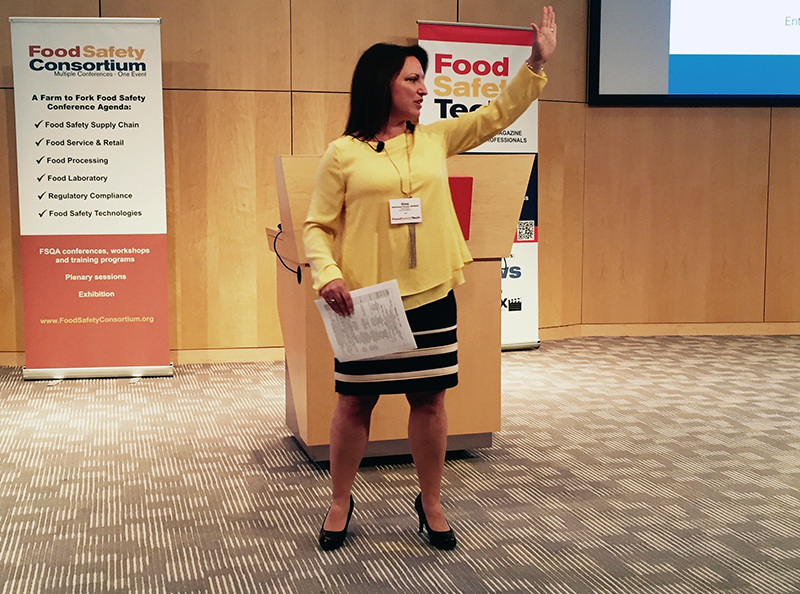
One year ago, the industry was speculating about the details of the final FSMA rules, but was very much taking a “wait-and-see” approach. With all seven rules finalized, companies are now preparing for compliance. Beyond taking the steps to ensure that companies understand their responsibilities pertaining to each rule, there has been continual concern over a lack of C-suite awareness—both related to FSMA and knowing what is really happening at the ground level. “I think there’s been a culture shift with food safety professionals having more visibility to the leadership team and to the C-suite,” said Christina Romas, senior vice president at Repositrak, during a recent interview with Food Safety Tech.
When asked whether she thought the C-suite adequately understands FSMA, Romas succinctly replied, “no”. Watch the rest of the video to hear what Romas had to say about FSMA compliance challenges and which rule is getting the most attention from industry thus far.
As a result of an ongoing audit of FDA’s food recall program, the Office of Inspector General (OIG) has concluded that FDA does not have the policies and procedures in place to ensure that voluntary food recalls are initiated in a prompt manner.
“This issue is a significant matter and requires FDA’s immediate attention,” the letter stated. “We suggest that FDA update its policies and procedures to instruct its recall staff to establish set timeframes for (1) FDA to request that firms voluntarily recall their products and (2) firms to initiate voluntary food recalls.”
The audit follows a report from June 2011 that reviewed FDA’s monitoring of imported food recalls. That particular report also found the agency’s food recall program to be inadequate due to the fact that FDA did not have the authority to require companies to recall certain foods. FSMA has changed this aspect of recall authority.
The OIG’s letter, addressed to FDA Commissioner Robert Califf, M.D., specifically calls out two recall cases:
A nut butter recall due to Salmonella in which 14 people became ill. According to the OIG, 165 days passed from the time FDA identified the adulterated product to the time the company initiated a recall.
Several recalls of cheese products due to Listeria monocytogenes in which 9 people became ill and one infant died. In this situation, 81 days passed from the time FDA was aware of adulterated product to the time the company recalled the products.
The OIG issued the letter to Califf as an early alert. The audit of FDA’s food recall process is continuing and the OIG will be issuing a draft report at the conclusion of the audit.
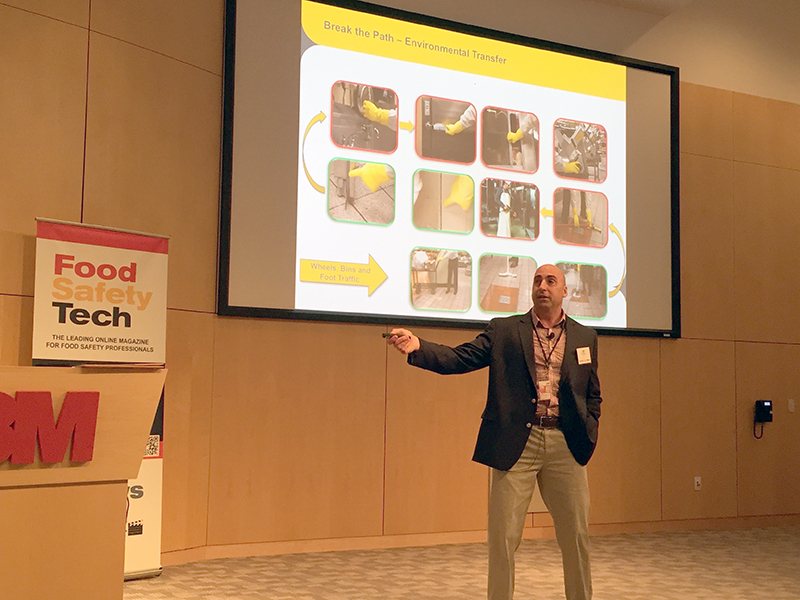
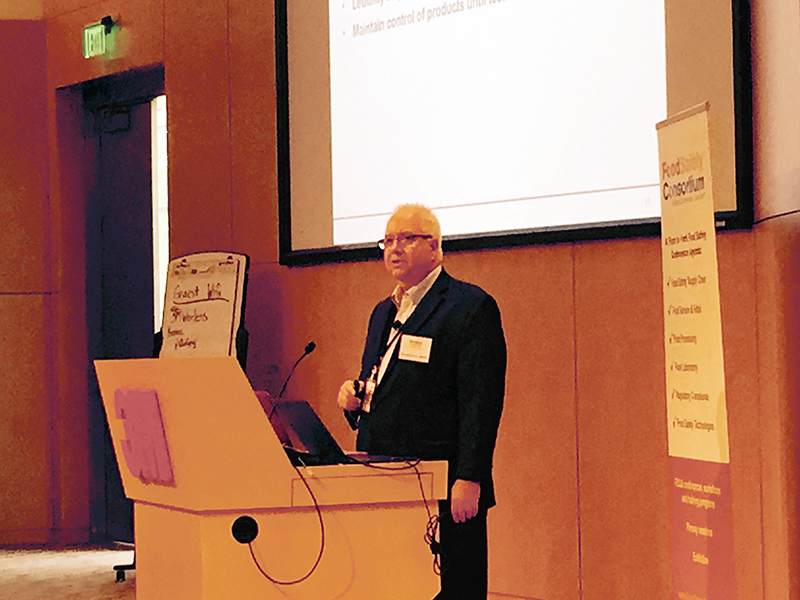
The ubiquitous nature of Listeria has made it a difficult pathogen to detect, control, and find its root cause. Led by Gina Kramer, executive director of Savour Food Safety International, attendees of last week’s Listeria Detection & Control Workshop learned everything from the cost of Listeria ($1.4 million per case and $2.3–$22 billion in the United States annually) to the challenges of breaking down biofilms to the steps a company should be taking to do sanitation right and get rid of resident Listeria in their facility. Here’s a snapshot of what experts said as they addressed industry’s obligation to ensure that their facilities are constantly monitored for contamination to ensure that safe product comes out of their plants.
People equate local and organic with safer, safer, safer. That’s not true, because pathogens are agnostic. – Gina Kramer, executive director, Savour Food Safety International
Whole genome-based outbreak detection allows us to detect more quickly, with greater precision in identifying source — John Besser, Ph.D., Deputy Chief, Enteric Diseases Laboratory Branch, CDC
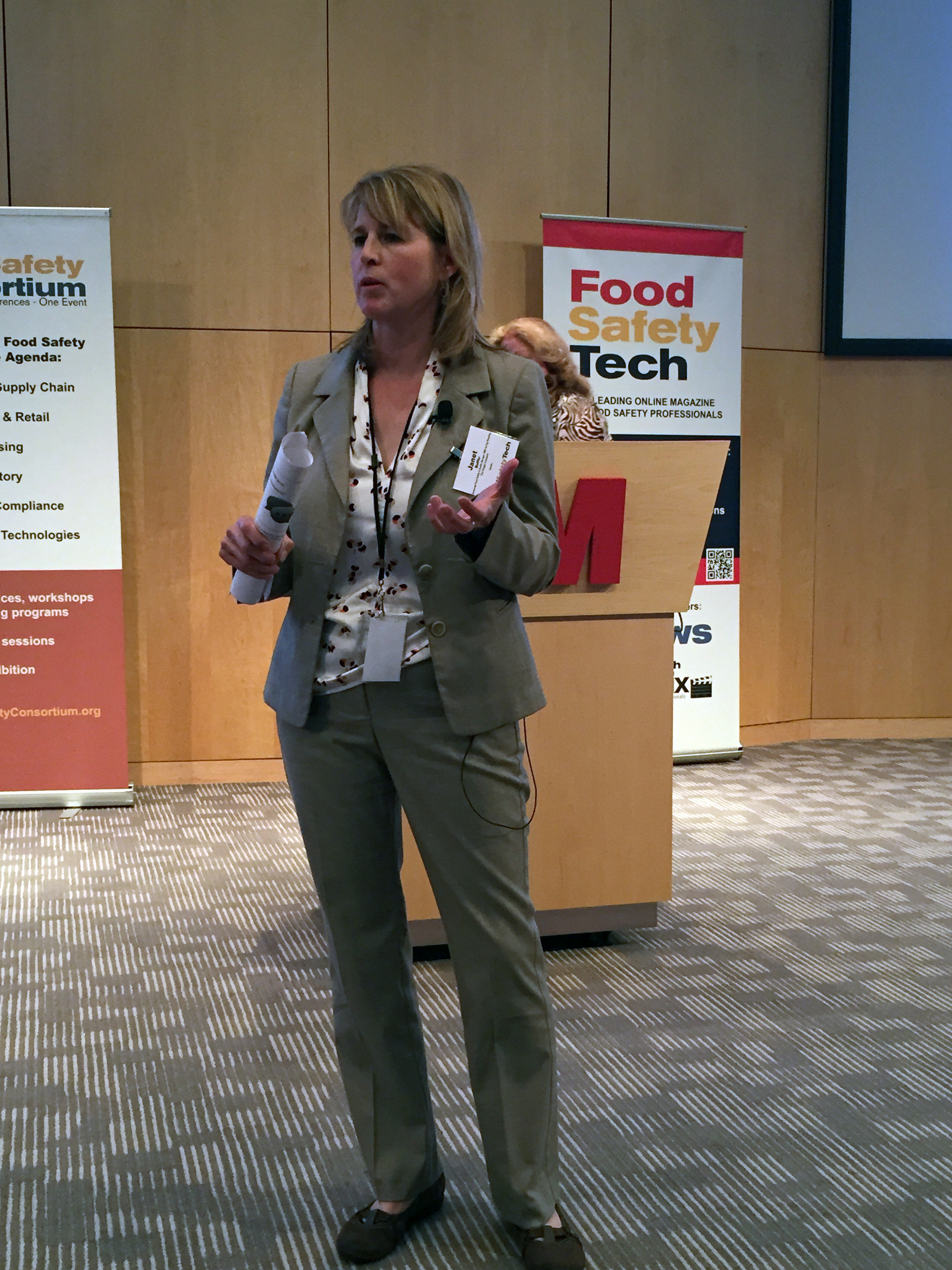
What’s happening in your plants? What are you taking into your processing plant? What time of year is it coming in? What is your environment—is it more urban or rural? The presence of Listeria isn’t any greater in an urban or rural environment. You might find it in different places, but there isn’t a difference in incidence. – Janet Buffer, corporate food safety manager, The Kroger Co.
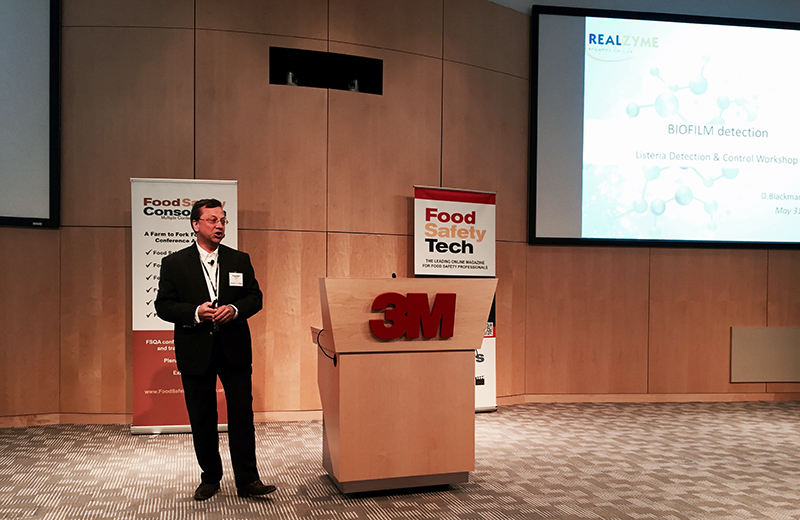
Biofilm erupts like a volcano. But once it has erupted, your volcano goes dormant. And for how long? Nobody knows. That’s the problem. The biofilm can release two days later, a week, or a month later. – Dominique Blackman, general manager, Realzyme
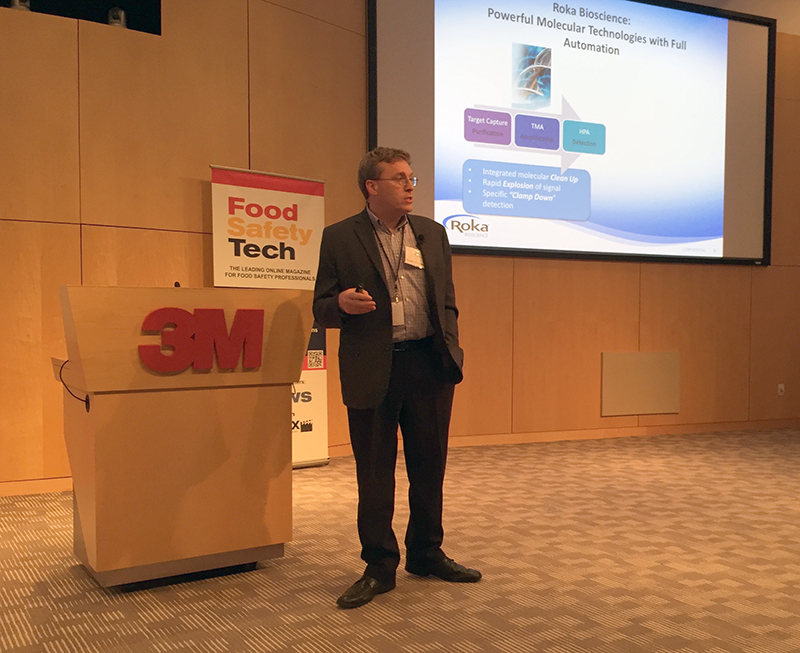
Listeria testing is the ugly duckling in preventive controls. Companies need to ask themselves whether the method they use is able to detect potential positives in the environment. – Ted Andrews, senior director, product marketing, Roka Bioscience
Sanitation is not one size fits all. You need to have specific controls in place that look at controlling Listeria not just for equipment but periodic infrastructure and equipment and routines. Validate that they work. Train employees so they properly execute. – Jeff Mitchell, vice president of food safety, Chemstar
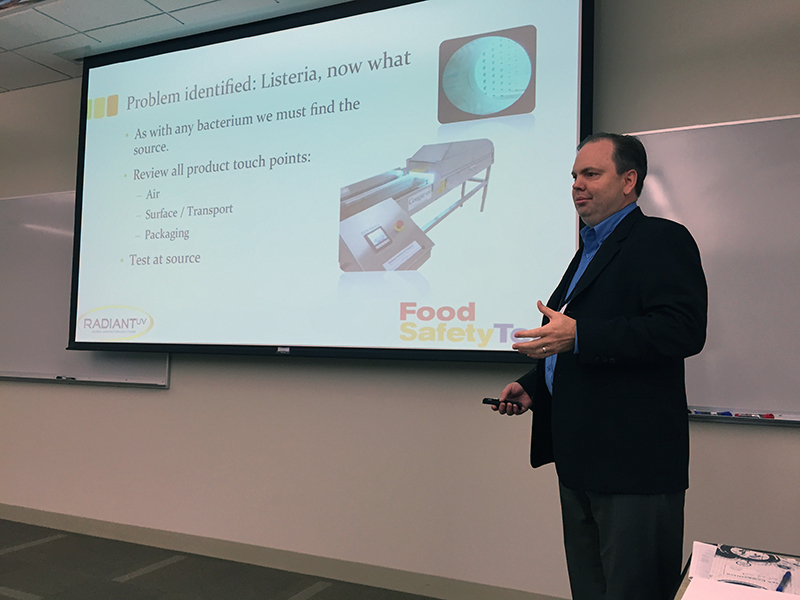
You’ve identified Listeria in your facility. Now what? Review touch points: This includes the air, surfaces, transportation and packaging areas. – Troy Smith, CEO, Radiant Industrial Solutions, LLC
If you get everything mostly right, what are the odds that you’ll find a pathogen in end product testing? Getting the proper data point is a big deal. – Douglas Marshall, Ph.D., chief scientific officer, Eurofins
With less than a week under his belt as the new Deputy Commissioner for Foods and Veterinary Medicine, Stephen Ostroff, M.D., has made one of his first official statements about food safety. Calling the FSMA final rules a paradigm shift in prevention versus response, he emphasized the importance of the implementation stage on FDA Voice, the agency’s blog.
“The people of FDA, under the leadership of Michael R. Taylor, worked tirelessly to find the right intersection between science and policy; to develop innovative and practical solutions to complex challenges; and, to engage in open and meaningful discussions with the many communities within the diverse food supply system,” said Ostroff in the blog.
Although industry has “miles to go” during implementation, Ostroff emphasized the behind-the-scenes work that made FSMA happen—thanking specific members of Congress, consumer activists such as STOP Foodborne Illness, public policy organizations, national associations such as the Grocery Manufacturers Association, government organizations and global regulatory counterparts.
Americans consume 350 billion pounds of food each year, with one out of six people falling victim to foodborne illness, and 3000 dying. The significant amount of Listeria outbreaks hitting the industry (most recently, the staggering number occurring in produce) has left many food safety and quality assurance professionals searching for better methods of prevention and detection. Using big data, specifically metagenomics, to improve food safety and detect potentially deadly outbreaks is indeed where the future is headed.
DID YOU KNOW? The estimated U.S. cost of one case of Listeriosis is $1.4 million. Listeria is a prime concern due to the high percentage of fatalities that occur as a result of contracting Listeriosis. And what’s worse is the fact that many of the cases are preventable.
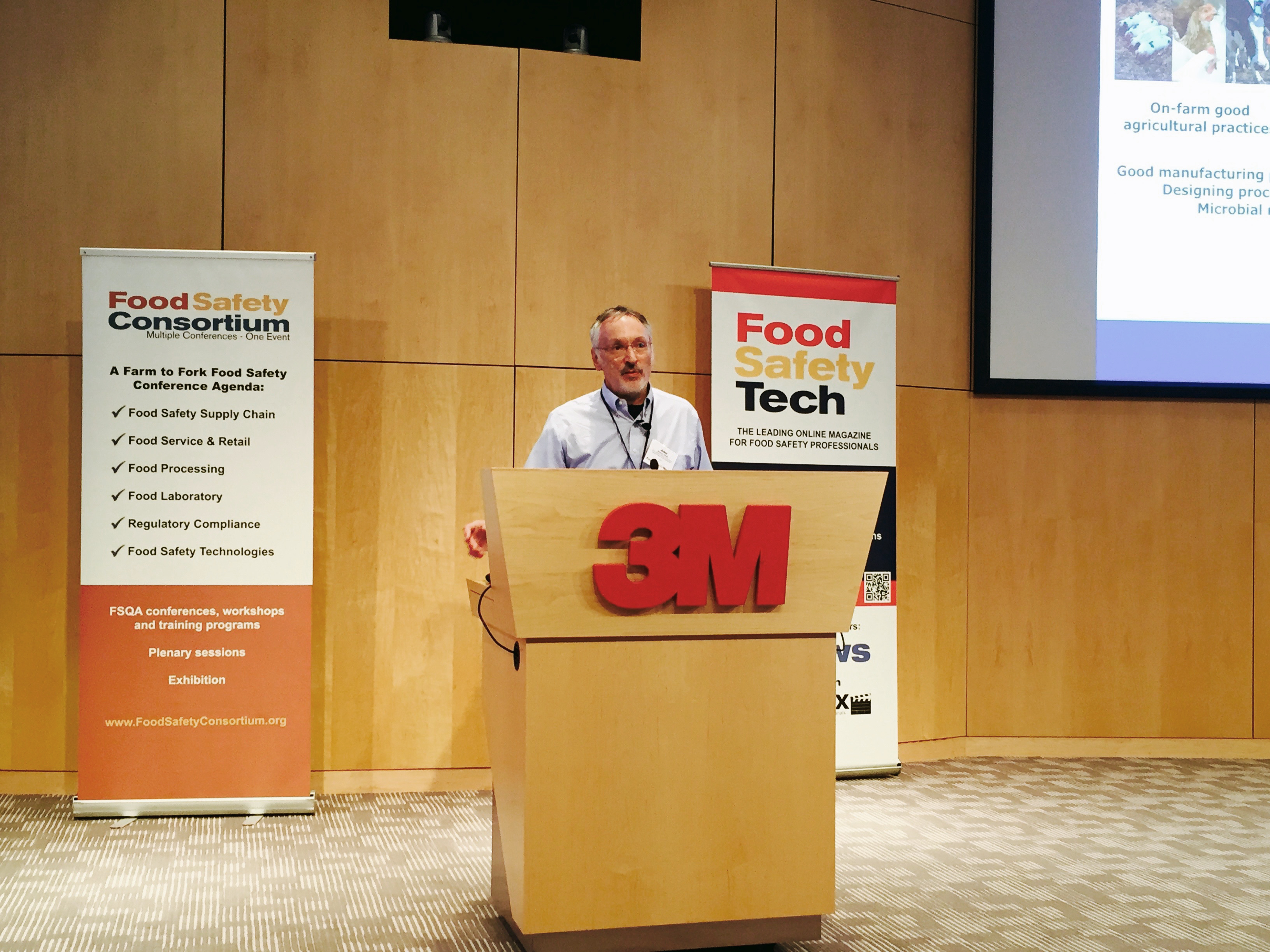
During Food Safety Tech’s Listeria Detection & Control Workshop this week, John Besser, Ph.D., deputy chief of CDC’s Enteric Diseases Laboratory Branch, outlined how the agency is leveraging metagenomics to find unrecognized problems in the food supply. Perhaps the most important element of disease surveillance is that it enables the detection of new issues, especially those whose presence was previously unknown.
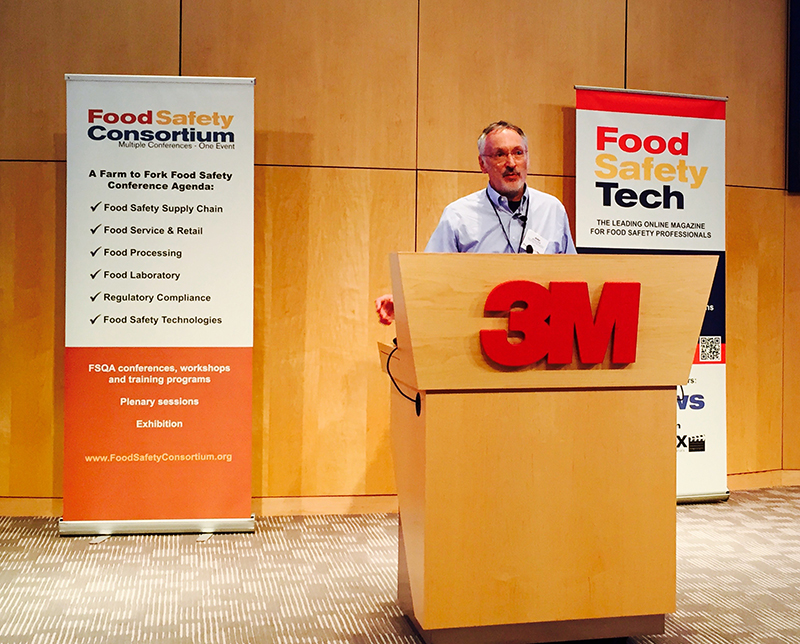
CDC’s John Besser, Ph.D. discusses genome-based outbreak detection work at the agency. (Click to enlarge)
Pathogen-specific surveillance allows the detection of more outbreaks, which will in turn make the food supply safer, because it will enable industry to understand the root causes of outbreaks and help them address problems much sooner. The CDC is focused on genome-based outbreak detection because of its ability to achieve faster detection—and with greater precision in identifying the source. The method has also helped the agency solve outbreaks with fewer cases occurring, and it concurrently helps rule out sources.
PulseNet, a nationwide database (comprised of 87 labs in the United States) that links cases most likely to share a cause for illness, has prompted food safety improvements across a variety of products, including sprouts, peanut products, leafy greens, flour, melons, eggs and poultry. Combine this capability with the Listeria initiative, which was launched in the mid-2000s, and the CDC has been able to find more (and smaller) outbreaks than ever before. In fact, there’s been a dramatic increase in the number of outbreak cases that have been solved (with the food source being identified). During the pre-whole genome sequencing (WGS) stage (September 2012–August 2013), only one outbreak was solved; in year one of the WGS project (September 2013–August 2014), four cases were solved; in year 2 of the WGS project (September 2014–August 2015), nine outbreaks were solved. In these respective time periods, the median number of cases per cluster dropped from six to four to three. In addition, the number of cases linked to a food source jumped from 6 to 16 to 93 during this respective time period.
Besser also discussed the role of metagenomics, or the study of total genetic material recovered directly from environmental samples. A couple of years ago, this was science fiction and wasn’t possible, he said. But as we look to the future, metagenomics will become a lot cheaper as computers become more powerful—and at break-neck speed. He referenced IBM Research, who earlier this year announced a project being conducted in conjunction with Mars, Inc. and Biorad for sequencing the food supply chain (calling it the “largest-ever metagenomics study”).
Metagenomics enables the profiling of communities of microbiomes anywhere in the food supply chain. And the method is fast—it can potentially shave weeks off the process of identifying clusters of interest. In addition, it can increase the value of interviews conducted with patients who have fallen ill (Think about it: Do you remember what you ate two weeks ago? What about a month ago?).
Currently there are several limiting factors surrounding metagenomics: Cost; sequencing read length and error rate; specific software (and pipelines); computing processing power and bandwidth; and the signal-to-noise factor. However, with the rapid rate in which technology has been improving in this space, the high likelihood of these issues being addressed and resolved in the not-so-distant future will present exciting opportunities in outbreak prevention and detection.
Dr. Hilary Thesmar, VP FMI Food Safety Programs reviews the difference in responsibility and required training for each role for your checklist.
FSMA introduced two different types of identified individuals, the Preventive Controls Qualified Individual and the Qualified Individual. Specific training requirements are associated with each. Dr. Hilary Thesmar, VP FMI Food Safety Programs reviews the difference in responsibility and required training for each role for your checklist. Watch the webisode
–UPDATE (5/27/2016)– The final rule has been published on the Federal Register‘s website. –END UPDATE–
FDA just released the final FSMA rule, “Mitigation Strategies to Protect Food Against Intentional Adulteration”. Under the rule, domestic and foreign food facilities must complete and maintain a written food defense plan that assesses their vulnerabilities to intentional contamination.
“Today’s final rule on intentional adulteration will further strengthen the safety of an increasingly global and complex food supply,” said Stephen Ostroff, M.D., incoming FDA deputy commissioner for foods and veterinary medicine in a press release. “The rule will work in concert with other components of FSMA by preventing food safety problems before they occur.”
The final rule will be published on the Federal Register tomorrow. To preview the PDF document, visit the Federal Register’s website.
Yesterday FDA released its Reportable Food Registry (RFR) and cited Listeria monocytogenes as generating the greatest number of reports (223), along with undeclared milk (27), in Year Five (from September 8, 2013–September 7, 2014).
FDA defines a reportable food as “an article of food/feed for which there is a reasonable probability that the use of, or exposure to, such article of food will cause serious adverse health consequences or death to humans or animals.” The purpose of the registry is to allow FDA to track patterns of food and feed adulteration in order to help the agency focus its already limited inspection resources.
Year Five saw 909 reportable food entries, including 201 primary reports regarding safety concerns with food or animal feed and 464 subsequent reports from suppliers or recipients of food or feed that was the subject of the primary reports, and 244 amended reports. The following food safety hazards were identified within the 201 primary reports in Year Five: Drug contamination, pathogenic E. coli, Listeria monocytogenes, nutrient imbalance, lead, Salmonella, undeclared allergens and undeclared sulfites. In addition, Salmonella, Listeria and undeclared allergens made up about 88% of the total primary entries for all five years of the RFR.
The report’s complete breakdown of the RFR submissions by year, along with identified commodities and hazards, is available on FDA’s website.
Following a “thorough and rigorous” scientific review process, Health Canada announced the approval of GMO salmon, also known as AquAdvantage Salmon, last week. The salmon is developed by Massachusetts-based AquaBounty Technologies, Inc. According to a release from Health Canada, the AquAdvantage Salmon underwent safety and nutrition assessments by both Health Canada for use as food and by the Canadian Food Inspection Agency for use as livestock feed. The assessments found the salmon to be “as safe and nutritious as” traditional salmon.
The approval was met with distain by several groups, including Friends of the Earth, which called the approval “irresponsible and disappointing” in a news release.
“This approval also comes despite the Canadian Department of Fisheries and Oceans draft risk assessment that questions the health and welfare of AquaBounty Technologies Inc.’s genetically modified salmon. The draft risk assessment concluded that AquaBounty’s GMO salmon are not only ‘more susceptible to Aeromonas salmonicida, a type of disease-causing bacteria,’ but exhibit ‘diminished growth rates’ and ‘widely varied performance.’” –Friends of the Earth news release
More than 60 grocery store chains have committed to keeping GMO salmon off their shelves, including Trader Joe’s, Costco, Whole Foods, Aldi, Target and Safeway.
The labor union International Brotherhood of Teamsters has been holding nationwide protests at Chipotle locations this month, taking issue with one of the restaurant chain’s suppliers. The supplier at the focus of the demonstrations is California-based produce company Taylor Farms, which supplies tomatoes and peppers to Chipotle, according to Teamsters.
“Over the past five years, Taylor Farms has had more than 20 food recalls for problems such as Listeria, Salmonella and E. coli. In November 2015, Taylor Farms products containing celery and sold at Costco and other retail outlets were recalled for possible E. coli 0157:H7 contamination,” according to a Teamster news release. “At Taylor Farms’ plant in Tracy, Calif., the company has also committed safety and health violations and violations of laws that protect workers’ rights. Recently, the company settled extensive labor rights violations that involved payments of $267,000 to illegally terminated workers and a required posting in which the company promises to never again violate a long list of employee rights.”
The Teamsters protested at 12 Chipotle locations across the country, following 30 previous protests at Chipotle over the past several months.
Teamster Vice President Rome Aloise points the finger at Chipotle for allowing Taylor Farms to “have a total disregard for consumers’ and workers’ health and safety, as well as workers’ rights,” he said. “Chipotle claims to serve ‘Food With Integrity’, but where’s the integrity when it turns a blind eye to its supplier’s behavior? Chipotle must not cut and run – which would hurt Taylor Farms workers – it must carry out its social responsibility and demand Taylor Farms treat workers fairly and with respect.”
Taylor Farms has not released a statement addressing the protests.
This website uses cookies so that we can provide you with the best user experience possible. Cookie information is stored in your browser and performs functions such as recognising you when you return to our website and helping our team to understand which sections of the website you find most interesting and useful.
Strictly Necessary Cookies
Strictly Necessary Cookies should be enabled at all times so that we can save your preferences for these cookie settings.
We use tracking pixels that set your arrival time at our website, this is used as part of our anti-spam and security measures. Disabling this tracking pixel would disable some of our security measures, and is therefore considered necessary for the safe operation of the website. This tracking pixel is cleared from your system when you delete files in your history.
We also use cookies to store your preferences regarding the setting of 3rd Party Cookies.
If you visit and/or use the FST Training Calendar, cookies are used to store your search terms, and keep track of which records you have seen already. Without these cookies, the Training Calendar would not work.
If you disable this cookie, we will not be able to save your preferences. This means that every time you visit this website you will need to enable or disable cookies again.
Cookie Policy
A browser cookie is a small piece of data that is stored on your device to help websites and mobile apps remember things about you. Other technologies, including Web storage and identifiers associated with your device, may be used for similar purposes. In this policy, we say “cookies” to discuss all of these technologies.
Our Privacy Policy explains how we collect and use information from and about you when you use This website and certain other Innovative Publishing Co LLC services. This policy explains more about how we use cookies and your related choices.
How We Use Cookies
Data generated from cookies and other behavioral tracking technology is not made available to any outside parties, and is only used in the aggregate to make editorial decisions for the websites. Most browsers are initially set up to accept cookies, but you can reset your browser to refuse all cookies or to indicate when a cookie is being sent by visiting this Cookies Policy page. If your cookies are disabled in the browser, neither the tracking cookie nor the preference cookie is set, and you are in effect opted-out.
In other cases, our advertisers request to use third-party tracking to verify our ad delivery, or to remarket their products and/or services to you on other websites. You may opt-out of these tracking pixels by adjusting the Do Not Track settings in your browser, or by visiting the Network Advertising Initiative Opt Out page.
You have control over whether, how, and when cookies and other tracking technologies are installed on your devices. Although each browser is different, most browsers enable their users to access and edit their cookie preferences in their browser settings. The rejection or disabling of some cookies may impact certain features of the site or to cause some of the website’s services not to function properly.
Individuals may opt-out of 3rd Party Cookies used on IPC websites by adjusting your cookie preferences through this Cookie Preferences tool, or by setting web browser settings to refuse cookies and similar tracking mechanisms. Please note that web browsers operate using different identifiers. As such, you must adjust your settings in each web browser and for each computer or device on which you would like to opt-out on. Further, if you simply delete your cookies, you will need to remove cookies from your device after every visit to the websites. You may download a browser plugin that will help you maintain your opt-out choices by visiting www.aboutads.info/pmc. You may block cookies entirely by disabling cookie use in your browser or by setting your browser to ask for your permission before setting a cookie. Blocking cookies entirely may cause some websites to work incorrectly or less effectively.
The use of online tracking mechanisms by third parties is subject to those third parties’ own privacy policies, and not this Policy. If you prefer to prevent third parties from setting and accessing cookies on your computer, you may set your browser to block all cookies. Additionally, you may remove yourself from the targeted advertising of companies within the Network Advertising Initiative by opting out here, or of companies participating in the Digital Advertising Alliance program by opting out here.