Tag Archives: Focus Article

Susanne Kuehne, Decernis
Food Fraud Quick Bites

Arrest These Truffatori Di Bevande!

By Susanne Kuehne
No Comments
Susanne Kuehne, Decernis
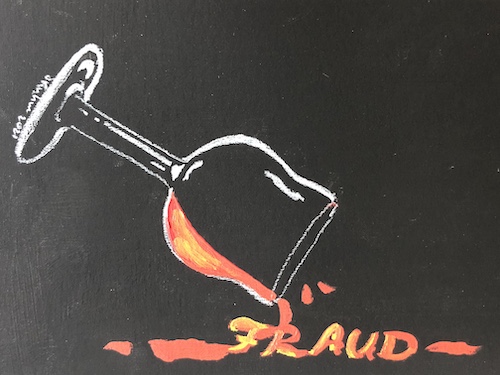
Wine fraud
Find records of fraud such as those discussed in this column and more in the Food Fraud Database, owned and operated by Decernis, a Food Safety Tech advertiser. Image credit: Susanne Kuehne

Italian law enforcement keeps cracking down on fraudulent and illegal activities, like in this latest case of fake alcoholic beverage distribution and sales. About 5,500 bottles were seized and samples were investigated in the lab, revealing substances unfit for human consumption, and endangering human health. The fraudulent products displayed labels of well-known alcoholic beverage brands.

Resource

  1. Redazione. (June 25, 2021). “Bevande alcoliche con sostanze pericolose: sequestrate 5500 bottiglie a Cerignola, a rischio l’incolumità delle personeFoggia Today.


Sanjay Sharma, Roambee
FST Soapbox

The Need for Improved Visibility in the Fresh Produce Supply Chain

By Sanjay Sharma
No Comments
Sanjay Sharma, Roambee

The Ever Given eventually broke free, but the Suez Canal blockage was just one dramatic incident in a year full of “black swan” events exposing weaknesses in the global supply chain, including daily mini disruptions. Among the lessons to be learned is the need for verifiably better supply chain visibility that goes beyond crowdsourced carrier or telematics data. This article hones in on the significant challenges faced in the fresh produce supply chain, and strategies suppliers can implement in situations to help improve supply chain visibility and prepare for an unpredictable future.

The Reality of Today’s Food Supply Chains

As the global supply chain continues to expand, the distance fresh produce travels to reach the consumer is extended. According to the International Institute of Refrigeration, the lack of a functioning cold chain causes significant food loss; the Global Cold Chain Alliance (GCCA) reports that “one-third of food produced globally is lost or wasted between farm and fork.”

Multimodal shipping, as well as the change in hands before the harvested produce reaches the consumer, makes it hard for food to retain its freshness. Moreover, multiple parties involved in the supply chain create plenty of room for coordination issues, contributing to delays, damaged products, and increased costs. Potential challenges faced while transporting fresh produce include the following.

Reusability and Circular Economy of Plastic Containers

The best way to preserve quality and freshness from source to consumer, retail-ready transport packaging solutions are needed to optimize space, improve temperature control and protect quality into the retail distribution center. While it is an environmentally sustainable choice, renting returnable plastic containers (RPC) instead of corrugated boxes comes with its own challenges. These RPCs get lost or misplaced from the time they are rented, during use to ship products from consumer locations and during the return of the empty RPCs back to the renter.

Temperature Excursions During Transport & Transshipment

Transport losses in a fresh food cold chain are primarily related to temperature and humidity excursions, caused by delayed/improper cooling or refrigeration equipment failure. The biggest problem is not always the lack of data, but rather the lack of timely data that can be used to correct anomalies in time to prevent spoilage.Temperature excursions can occur both while in transit and at transshipment points. During the former, it can happen due to failure of cooling equipment, while for the latter, it can occur if active cooling containers or reefers are not plugged into power sockets for extended periods of time during handling or when on a ship. In air transport, the goods can face temperature excursions during loading, unloading and storage, such as on the tarmac on a hot day.

Damaged Packages

Early spoilage in fresh produce can be attributed to both handling as well as changes in external environment. An example is the impact of atmospheric pressure on bags of potato chips traveling through a mountainous region or by air. The financial impact of damaged packages—one of the leading reasons for increased cost of food logistics management—goes beyond the visible replacement and re-shipping costs; in the case of fresh food spoilage, not only can your brand be impacted, legal issues could result if consumer health is affected.

Safety/Security Issues

Fresh produce is easily contaminable and thus requires extra care in the chain of custody. Today, customers are not just demanding visibility into the authenticity of how their food was farmed, but also how safely it was transported. The right temperature and humidity play a vital role in maintain the quality of the fresh produce reaching the grocery store. Whether it is a Black Swan event like a widespread E. coli contamination of tomatoes that can endanger human lives, or just a daily product freshness issue, there’s considerable impact on the food brand and retail store.

High Maintenance Costs

Maintaining the right conditions, ensuring quality packaging, and facilitating quick transportation increases the cost of a fresh produce supply chain significantly compared to other products.

Lack of Information Accuracy in Data Sharing

Every actor in the supply chain is working toward maintaining the freshness of a product, such as avocadoes imported from Mexico. But tying this data into a common thread is difficult due to disparate systems and processes in monitoring condition, handling and chain of custody. For example, the warehousing company may only measure temperature in a few corners of the warehouse where the fresh product wasn’t technically stored and the trucking company will only have the reefer’s temperature, but the product may have never traveled on that reefer owing to a missed connection. This makes data aggregation inaccurate and unactionable.

The Need for Improved Visibility

Whether it be food losses, increased costs, or food safety regulations, improving the verifiability of supply chain visibility from end to end can ultimately help eliminate these challenges. The following are some measures that can help contribute to food supply chain success.

Enhancing Information Transparency

A clear string of communication from end-to-end is critical to manage the supply chain. Increased information transparency and a clear chain of data can reduce food damages and losses.

Optimizing Maintenance

Maintenance costs can arise out of substandard packaging, lack of adherence to quality standards, and mishandling during transportation. Additional measures can be taken in order to reduce the overall maintenance costs, as well as time and effort spent tackling late or damaged product delivery. Such measures include adding more service locations, improving on time delivery, monitoring in real time, improving reusable packaging (if applicable), and performing thorough quality checks.

Building Faster, Flexible and Precise Supply Chains

Running a lean supply chain is vital to successfully delivering fresh food products. Many items such as yogurts or fresh produce have a short shelf life. Hence, the slightest reduction in transit time has significant benefits. Predictive analytics, image recognition and process automation offer timely alerts to improve actionability.

Where to Begin

You need to take a top-down, end-to-end approach to visibility because a supply chain involves several stakeholders and modes of transport from farm to fork.

Sensor-driven visibility helps implement a top-down, end-to-end approach because it is firsthand and not reliant for data from the actors in the chain of custody. Sensor-driven location and condition in real time offers transparency, collaboration and ultimately, reliable logistics automation.

End-to-end real-time data on inventory location and package conditions can result more transparency and control across the supply chain. The best, and often the only way to wade through both the visible and hidden business costs of in-transit damage is to keep track of your shipments from door to door with the help of an on-demand food and beverage monitoring solution.

When working with low shelf life products like food, reliable supply chain visibility is vital to prevent incidents that can contribute to financial loss. The loss of customer relationships, dealer loyalty, and cascading delays can have a ripple effect and result in further monetary losses as well as long-term business impacts that might take very long to resolve. Implementing the above recommendations can help supply chains recover from accidents and prepare for the inevitable future of “black swan” events and daily mini disruptions alike.


Mike Holcomb, ActiveSense
Bug Bytes

Electronic Remote Pest Technology: The Next Big Thing in Pest Control, Or Is It?

By Mike Holcomb
1 Comment
Mike Holcomb, ActiveSense

The immediate benefit for pest management professionals is clear: An electronic remote monitoring (ERM) system can increase service efficiency and save technicians time checking traps because they know exactly which traps have activity. But, how exactly does that benefit you?

The short answer: These technologies enable your service technician to receive real-time notifications of pest activity that is recorded with a time stamp. That means you receive a quicker response to resolve an active pest issue, allowing for more prompt corrective and preventive action. But, that’s just the tip of the iceberg.

Shifting From Trap Checking to Always-on Pest Control

No one wants a service technician who simply checks traps. When tasked with checking 100 traps week after week, a technician tends to go into “checknician” mode – simply going through the motion of checking traps. It’s human nature; they have a road map to follow, and they’ll follow that road map, missing those trouble spots, such as new evidence of pest activity, along the way. It also means they are only reacting to what they find versus proactively looking for opportunities to prevent pests.

By using ERM technology to essentially enable the traps to check themselves, the technician can do the job they were hired and trained to do. By freeing up their time from trap checking, technicians can proactively seek out issues that leave you vulnerable to pest problems.

In addition to checking traps with activity alerts, service technicians can spend their time reviewing pest sighting logs, looking for signs of pest activity and seeking out its source, as well as identifying conditions favorable for pests. This proactive and strategic inspection ultimately results in more detailed documentation and reporting of their findings for further root cause analysis, corrective action and overall prevention.

Audit-Ready Elevated Documentation

Another benefit is the documentation that ERM systems can provide. For instance, pinpointed, time-stamped data some of these systems deliver fits right in with the trending and active hot spot data most auditors are looking for when they visit a plant.

Auditors understand that you’re going to have a mouse from time to time, but what they truly want to know is: What did you do about it, how did you protect your product and how will you prevent the problem from happening again. ERM systems make that data readily available.

Data Is Meaningless Without Expertise

There’s no point in collecting data if you aren’t going to put it to use and to do so, you need a strong partner in your pest control service provider. Your service provider’s expertise stretches far beyond killing pests. ERM systems allow your technician the time to apply that expertise while on-site, while also supplying the pinpointed data they need to get ahead of pest issues.

Without that strong partnership, it’s like hiring a heart doctor because you had a heart attack, but you do nothing else to help your heart condition. It’s no different when a food processor suffers a rodent infestation and an auditor finds a problem with their program or there’s a customer complaint. Often, the first reaction is to blame the pest control company. In actuality, pest management success is rooted in a strong partnership between the pest control provider and the facility management.

A pest management program with ERM technology is just one piece of the larger pest prevention puzzle. Knowing where pest activity is happening and identifying the root cause only goes so far in resolving the problem. The preventive steps, such as fixing a damaged door sweep or improving sanitation, is a shared responsibility with facility management.

Investing in Data-driven Pest Control

Everyone likes to save a little money, but your pest prevention program isn’t the place for penny-pinching. Like all new technologies, adopting an ERM system may mean additional costs, but it’s important to realize that no amount of cost cutting is worth it if there’s a recall or a disgruntled customer.

When you hire a pest control company, it’s an insurance policy for pests and an investment in your food protection program. By using ERM technology, you enable your service technician to monitor rodent activity in real time so they can provide a quicker response for corrective and preventive action. That data-driven approach to prevention aligns directly with FSMA and GFSI standards, ensuring not only your compliance, but also that your facility and your product is better-protected in the long-term.

Willem Ryan, AlertEnterprise
FST Soapbox

Cybersecurity: Risk Moves Squarely to Operational Technology

By Willem Ryan
No Comments
Willem Ryan, AlertEnterprise

Data breaches, ransomware attacks and now, operational shutdowns. Recent events bear out that cyber strikes are not reserved solely to data breaches and IT systems but now include Operational Technology (OT) and industrial controls to disrupt operations, distribution and the entire food supply chain.

JBS Foods, the one of the world’s largest meat producers, was leveled by a cyberattack in early June, affecting U.S. and Australia operations. In a public statement, the organization revealed that it paid the equivalent of $11 million in ransom in response to the criminal hack against its operations. “At the time of payment, the vast majority of the company’s facilities were operational. In consultation with internal IT professionals and third-party cybersecurity experts, the company made the decision to mitigate any unforeseen issues related to the attack and ensure no data was exfiltrated,” according to company documents.

There’s a security divide that shouldn’t be there—distinct lines between Cyber, OT and physical security teams that has resulted in disjointed and ineffective detection, mitigation and response to risk—forged by years of siloed departments.

It’s not a new problem—in fact the vulnerability of the critical infrastructure has been a discussion for decades. Moving to a converged approach across all departments, including HR, IT/cyber and OT/SCADA can effectively secure our most critical food production and distribution resources while actively enforcing compliance and company policies. Identity and Access is at the center of it all and the best way to holistically protect the enterprise.

In the example of high-profile enterprise Molson-Coors, a cyberattack in March centered on ransomware. In its SEC filing after the event, the beverage giant stated that the attack “has caused and may continue to cause a delay or disruption to parts of the company’s business,” which includes brewery operations, production and shipping.

The February attack on a Florida Water Treatment plant, hacked by compromise to a remote access software program on a facility computer, is still another stark reminder of the growing dangers of cyber-physical threats and that even employees can be part of the problem.

You can see just how fragile and vulnerable our supply chains and critical business processes have become. Cybercriminals now realize how disruptive and lucrative attacks targeting these systems can be so they will continue unabated without immediate stop-gaps.

Because these attacks have become blended and omni-present on every part of the critical infrastructure, executives need to move beyond IT-centric cybersecurity to minimize supply threats. This emergence of new attack vectors has other implications. It highlights the dire need to transition from siloed IT, OT, HR and physical security to a converged approach, yet executives remain at odds with how to execute this while working in their own bubbles.

The threat has become even greater than the organization itself. According to predictions by Gartner liability for cyber-physical security incidents will “pierce the corporate veil to personal liability,” for 75% of CEOs by 2024.

Security Convergence Key Ingredient to Digital Transformation

As the food industry continues to digitally transform, systems and processes move to rapidly connect. Security convergence, centered around identity and access governance, links all these separate departments and operations, so communications and processes actively and collectively address and shore up risk preemptively. Events, exceptions, alerts, alarms and targeted attacks on all points, including the network, control systems and physical security can be integrated for a coordinated and cohesive response.

Securing our most important critical resource—the food supply chain—means correlating threats across underlying HR, IT, physical security and OT used in production and processing. Physical access control and identity now links to specialized plant applications like manufacturing execution systems (MES), plant historians and demand management from ERP that can deliver information directly to production. Monitoring insider and contractor access to modifying batch recipes provides alerts and detection when the addition of a preservative has been suppressed, causing a contaminated batch to be produced, for example.

Integrating seamlessly with HR applications, converged software further prevents insider threat by automating background checks and risk analysis during the on-boarding and off-boarding process for employees and contractors.

The threat landscape today demands a single solution to manage operational risk and security. The following just one example of how this converged approach works.

A fictitious company named Big Food was dealing with disgruntled production foreman Tom. Tom not only had physical access to the production floor, but was intimately familiar with the control system settings to configure recipes for the MES.

Security software’s real-time link to SAP SuccessFactors HCM provided critical real-time data that identified Tom’s history of workplace issues. When Tom accessed the plant area after his normal shift hours, the security platform detected that he was making unusual changes to the production settings to eliminate the addition of preservatives. An alert was immediately sent to security operations staff as well as the plant manager. Incident prevented, with huge savings from avoided downtime and protection from loss of reputation to the company brand.

The food and beverage industry must meet high quality standards and adhere to rapid production cycles to preserve nutrition value and freshness. Convergence and automation are the keys to achieving these goals. As OT and IT networks become increasingly interconnected, OT environments become more exposed to cyber-physical attacks, which can result in tainted products, downtime and revenue losses. Security solutions secure enterprise IT applications and plant applications deliver continuous monitoring that prevents sabotage, acts of terrorism and other malicious acts. There’s also the ability to manage other supply chain risks, including changes to master data and transactions as well as the movement of goods and arrival notifications requirements by the FDA.

Today’s malicious actors don’t think in silos but most companies still do. As security and technology leaders we are compelled to rise and meet the challenge. It’s clear that only a converged approach, beyond IT-centric cybersecurity, is the way forward.

USDA Logo

FSIS Revises Guidelines for Controlling Salmonella and Campylobacter in Raw Poultry

By Food Safety Tech Staff
No Comments
USDA Logo

Register to attend Food Safety Hazards: Salmonella Detection, Mitigation, Control & Regulation | Thursday, July 15, 11:45 am ETFSIS has announced revised guidelines to help poultry facilities control Salmonella and Campylobacter in raw poultry. The changes are a result of new scientific and technical information, public comments, and FSIS’s decision to separate the guidelines into one on controlling Salmonella and one on controlling Campylobacter. The guidelines, “Availability of Revised Compliance Guidelines for Controlling Salmonella and Campylobacter in Raw Poultry”, also provide best practices for poultry establishments.

“FSIS has updated the guideline contents to reflect the most recent best practices, supported by current peer-reviewed literature and analyses of FSIS data,” the agency stated in a news release. “Updates include information on using neutralizing agents in sampling to prevent carryover of antimicrobial substances and a current list of antimicrobials for establishment use. Also included are improvements in the information on pre-harvest practices, with a comprehensive revision of the litter/bedding section.”

A copy of the docket is available on the Federal Register.

Susanne Kuehne, Decernis
Food Fraud Quick Bites

A Sad Event With A Devastating Ending

By Susanne Kuehne
No Comments
Susanne Kuehne, Decernis
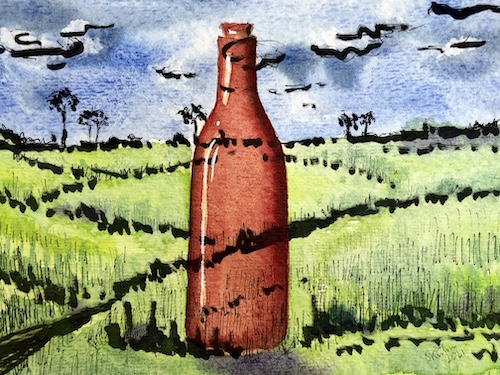
Rice field, Cambodia
Find records of fraud such as those discussed in this column and more in the Food Fraud Database, owned and operated by Decernis, a Food Safety Tech advertiser. Image credit: Susanne Kuehne

Adulterated rice wine served at a funeral is suspected to have caused the hospitalization of 76 and the death of eight people in the Pursat Province of Cambodia. The cause of the poisoning is still under investigation by local authorities. Samples of the suspected rice wine and other beverages are being analyzed in a lab. This year, adulterated rice wine was responsible for a multitude of deaths in several Cambodian provinces.

Resource

  1. Chanvireak, M. (June 3, 2021). “8 dead and 76 in hospital for suspected rice wine poisoning”. Khmer Times.
Salmonella

July 15 Virtual Event Targets Challenges and Best Practices in Salmonella Detection, Mitigation and Control

By Food Safety Tech Staff
No Comments
Salmonella

Next week, Food Safety Tech is hosting the second event in its Food Safety Hazards Series, “Salmonella Detection, Mitigation, Control & Regulation”.

The event begins at 11:45 am ET on Thursday, July 15.

Presentations are as follows:

  • Get with the Program: Modernization of Poultry Inspections in the United States; A panel discussion with Mitzi Baum, STOP Foodborne Illness;
    Sarah Sorscher, Center for Science in the Public Interest; Martin Weidman, DMV, Ph.D., Cornell University; and Bruce Stewart-Brown, Perdue Foods
  • Detect, Deter, Destroy! A Discussion on Salmonella Detection, Mitigation and Control, with Elise Forward, Forward Food Solutions; Dave Pirrung, DCP Consulting; additional speaker TBA
  • A Case Study on Salmonella, with Rob Mommsen, Sabra Dipping Company
  • Sponsored TechTalks will be provided by Will Eaton of Meritech, Patrick Casey of BestSanitizer, Adam Esser of Sterilex, and Asif Rahman of Weber Scientific.

Register now for the Food Safety Hazards Series: Salmonella Detection, Mitigation, Control & Regulation.

Susanne Kuehne, Decernis
Food Fraud Quick Bites

Deter, Identify and Prosecute Food Fraud

By Susanne Kuehne
No Comments
Susanne Kuehne, Decernis
Canada, food fraud
Find records of fraud such as those discussed in this column and more in the Food Fraud Database, owned and operated by Decernis, a Food Safety Tech advertiser. Image credit: Susanne Kuehne

A study from the Canadian Arrell Food Institute lays out the current status of the fight against food fraud and a comprehensive list of interventions for governments, industry, suppliers, consumers, NGOs and academia. The focus is on collaboration along all stages of the food supply chain. Examples are global harmonization of regulations and testing, implementation of traceability systems, raising awareness for food fraud, using science to identify fraud, and much more.

Resource

  1. Hanner, R.H. and Kelly, J. (June 16, 2021). “Food Fraud in Canada – Understanding the Risks and Exploring Opportunities for Leadership”. Arrell Food Institute, Department of Integrative Biology, University of Guelph.


Nathan Libbey, PathogenDx
FST Soapbox

On the Eve of 115 Years of Food Regulation in the United States

By Nathan Libbey
No Comments
Nathan Libbey, PathogenDx

As we look back on the history of food safety in the United States, it is easy to take pride in how far we have come—from disparate, state-specific food laws with no interstate oversight, to highly codified regulations such as FSMA, food and consumer safety has evolved a great deal since the passage of the Pure Food and Drug Act in June of 1906. However, despite our advancements, we see evidence of significant gaps that currently exist and must be addressed to improve safety and save lives moving forward, no different than what occurred in the time leading up to the initial Act.

The 1906 Act

Revisionist history will tell us that the consumers’ outcry due to the publication of Sinclair’s The Jungle, coupled with Roosevelt’s disgust after reading the novel, is what ultimately led to the passage of the Act. What has not changed in 115 years is that one book does not yield the power to force the hand of what is largely a deadlocked U.S. Legislature. What moves us from an emotional standpoint often does not translate into real change, and the Pure Food and Drug Act was no exception.

By many accounts the largest proponent of the Act, sometimes referred to as the Wiley Act, was Harvey Wiley, son of an Indiana preacher and former professor at Purdue University. Wiley spent much of his time at Purdue studying the chemistry of sugar and was particularly interested in sugar and other foods’ adulteration. He took on the burden of challenging the food system and improving the safety of consumer products. Wiley is known for his work on “The Poison Squad,” but also was a budding food safety poet:

“We cannot help asking “What’s in it? Oh, maybe this bread contains alum and chalk, Or sawdust chopped up very fine, Or gypsum in powder about which they talk”.1

Despite Wiley’s significant studies and subsequent passion for food safety that he brought to the U.S. Bureau of Chemistry, little was done to advance the status of food safety in the United States. Many bills were attempted, but like today, a bill introduced and backed with fervor in the House did not reach a meaningful Senate vote and vice versa—politics was politics. When McKinley was shot and subsequently died, leaving Theodore Roosevelt to take the helm, Wiley caught the break he needed. Roosevelt had been convinced he had been a victim of the “Embalmed Beef Scandal” while serving in the Spanish American War and had a rather progressive agenda that fit well with Wiley’s evangelization of food safety.2

Flash forward to 1906, Sinclair’s book is published, everyone loses it on the atrocities that exist in food production, including the President. We romanticize that this led to the passing of the Act and future development of what was to become the Food and Drug Administration. In addition to the Act, companion legislation, The Meat Inspection Act of 1906 that would later give rise to the FSIS, was also on the docket for 1906, signaling imminent changes for meat producers. Sure, a role was played by the tale of Jurgis and Elzbieta (the main characters in The Jungle), but more than 25 years of reports and proposed reforms are what lead to significant legislation, and this is the case with the Pure Food and Drug Act—1906 was just the year it all came together.

At the same time, industry had come around. While they had vehemently opposed to earlier iterations of what was deemed over-regulation, they had come to grips with the reality—change was necessary. What their stalling of the bills did, as it does for industries of all makes and models today, is buy them time to adjust. Changes, such as replacing flour laced with sawdust with the real thing, takes changes in processes, personnel, and ultimately money. The industry needed to plan financially prior to enacting and, more importantly, embracing changes. Unlike FSMA, which was rolled out in phases over a decade, early legislation was far less comprehensive and did not account for the impact on firms of various sizes.

Implications for Today

Back to the original points, look how far we have come. Sure, the political landscape is seemingly murky, but it has been for centuries. What binds us all together, and ultimately moves us forward is our collective effort toward continuous improvement. In the spirit of Harvey Wiley, we strive to move forward as lawmakers, food producers and consumers. An unhealthy consumer is indeed bad for business for us all. As was stated during the arguments in the Senate in 1906 by Senator Porter McCumber:

“We are coming more and more to understand that our health depends more upon the character of food we consume than upon the medicines that are given to allay and destroy disease. We are coming more and more to understand that a proper diet varied to meet the conditions of each individual is not only the greatest panacea for but also the greatest preventitive [sic] against the evils with which humanity seems to be afflicted.”3

Quotes like this should give us direction—it has been and will be the backdrop of our cause for food safety and overt disease prevention. The same mantras from 1906 that guided our first piece of food safety legislation are still relevant; we need profound, driven, bold thinkers today just as we did then.

What also remains is the fact that we are still largely siloed, we have macro-level deficiencies as a result of our micro-level programs. An example of our delay, that is the public need is outpacing our industry standards, is our unwillingness to share food safety data. Traceability initiatives and FDA guidance are moving this forward, but the implications will not be felt overnight, just as Sinclair’s book did not change policy overnight. Another area where our lack of system and big-picture thinking impacts our consumers negatively is with the myriad versions, some dating back to 2000 (MS-DOS, anyone?), of Food Code that are adopted by our individual States for retail and foodservice settings. Lastly, the existence of food desserts and larger issue of food insecurity is a macro issue that we deal with (or ignore) on a micro level.

As it was during the stalemate legislative sessions around the turn of the 20th century, it takes all stakeholders to move the status quo forward, not just those with the end vote. Consumers, regulators, and industry must remember our collective drivers and be willing to share best practices, propel continuous improvement, and, yes, accept increased regulation in order to move the bar forward if necessary. 115 years post-Pure Food and Drug Act, we have evolved, 10 years post-FSMA, we have evolved, but we must increase our rate of evolution. We have tremendous, untapped capacity to create significant change and save lives during the technologically advanced, partisan, hyper-politicized, woke, lit, insert adjective here decade that is and will be the roaring 20s v2.0—let’s be sure to take advantage of it.

References

  1. Stirling, DA. (2002). Harvey W. Wiley. Toxicological Sciences, 67(2), 157-158.
  2. Keuchel, E F. (1974). Chemicals and meat: the embalmed beef scandal of the Spanish-American war. Bulletin of the History of Medicine, 48(2), 249-264.
  3. Barkan, I. D. (1985). Industry invites regulation: The Passage of the pure food and drug act of 1906. American Journal of Public Health (1971), 75(1), 18-26.
Susanne Kuehne, Decernis
Food Fraud Quick Bites

No Tolerance For Fake Wines

By Susanne Kuehne
No Comments
Susanne Kuehne, Decernis

Fraudsters, take notice: The Hull City Council’s Trading Standards Team confiscated several hundred bottles of fake wine that imitated a well-known brand. Fortunately, in this case, the counterfeit wines did not pose a risk to human health, however, illicit alcoholic beverages can be dangerous. Hull’s city officials are taking this very seriously and set up a hotline where citizens can report fraud cases.

Wine fraud
Find records of fraud such as those discussed in this column and more in the Food Fraud Database, owned and operated by Decernis, a Food Safety Tech advertiser. Image credit: Susanne Kuehne

Resource

  1. Hull CC News (June 16, 2021) “Hundreds of bottles of fake wine seized”. Hull CC News.